
In a challenging highway construction project deep in Appalachian-like terrain, engineers have successfully turned to a state-of-the-art self drilling anchor system to stabilize a 45-meter-high cut slope that threatened the safety and timeline of a vital transportation corridor. The project, forming part of a multi-billion-dollar interstate upgrade, required a ground stabilization anchor system that could be deployed quickly without sacrificing reliability in fractured, water-charged rock. SupAnchor, a globally recognized soil nail system manufacturer and ground anchor bolt factory, delivered over 6,000 linear meters of its proprietary self drilling anchor bolt, enabling the contractor to meet aggressive deadlines while ensuring a 100-year design life for the retaining structure.
The slope, composed primarily of highly weathered gneiss and schist interbedded with clay seams, presented a textbook example of difficult ground. Initial borehole investigations revealed rock quality designation (RQD) values as low as 15% in the upper 10 meters, making conventional open-hole drilling nearly impossible without total hole collapse. Perched groundwater also complicated matters, as drill cuttings would quickly turn into mud, binding the rods. Faced with these conditions, the project geotechnical team recommended a geotechnical reinforcement system based on self drilling anchors, which could drill through the unstable overburden while simultaneously grouting, effectively creating an in-situ soil nail that reinforces the face and provides deep-seated stability.
The design brief called for a retaining system capable of resisting a design seismic acceleration of 0.30g, with a safety factor of 1.5 against global instability. The anchors needed to transfer a working load of 250 kN per anchor through the loose material into competent rock at depths exceeding 18 meters. A hollow bar anchor was selected over traditional solid bar post-grouted anchors because it eliminated the need for casing and allowed the grout to permeate the fractured zone under high pressure, improving the ground itself. The drill-and-grout bolt technique offered the dual advantage of creating a rough surface for enhanced bond and filling voids, thereby transforming the soil mass into a cohesive block.
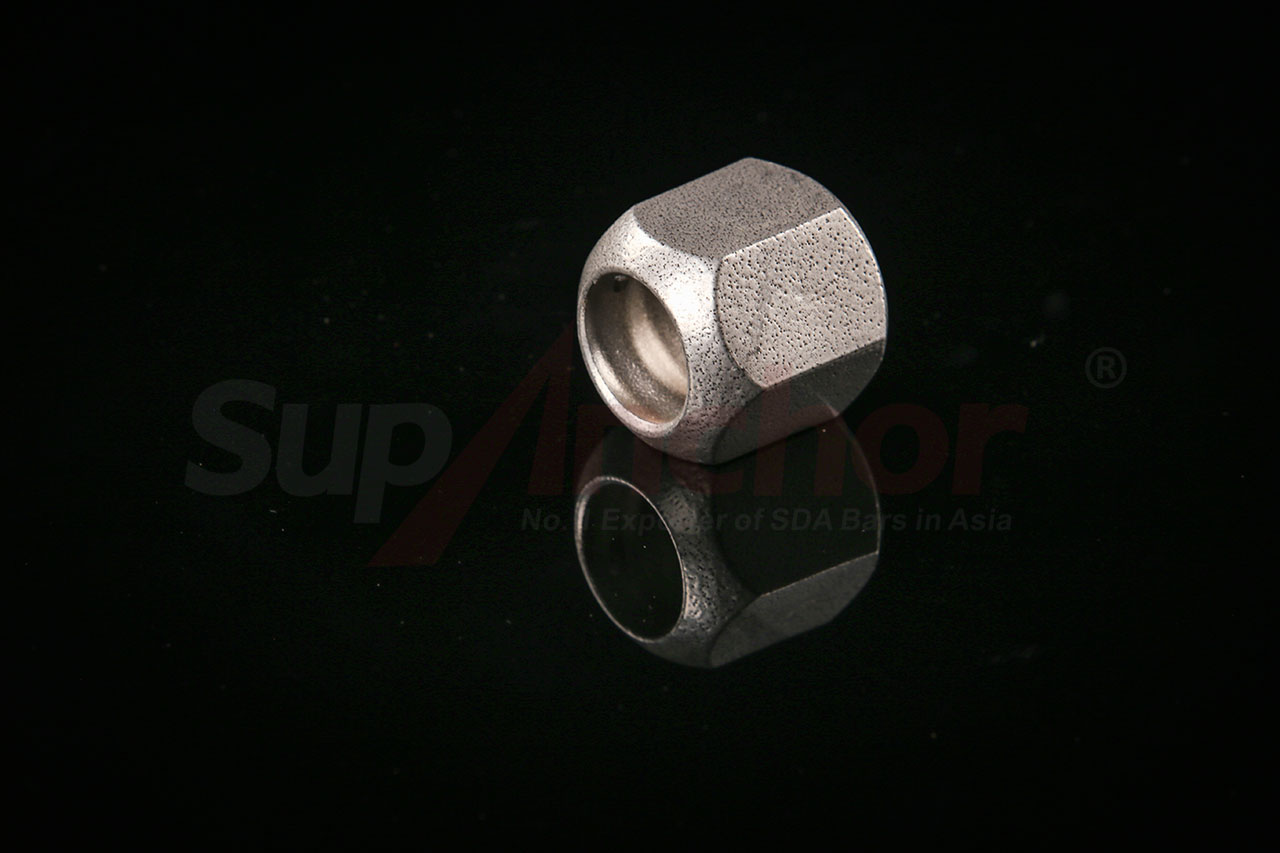
SupAnchor’s engineering team worked alongside the designers to optimize the anchorage pattern, specifying R38 bars with ultimate tensile strengths of 1050 MPa for the primary anchors, and R32 bars for intermediate soil nails. Each anchor was coupled using ISO 10208 continuous wave thread couplers that are up to 30% stronger than conventional rebar couplers. The project consumed approximately 8,000 couplers, all sourced from the SDA bolt factory direct supply, ensuring full compatibility and traceability.
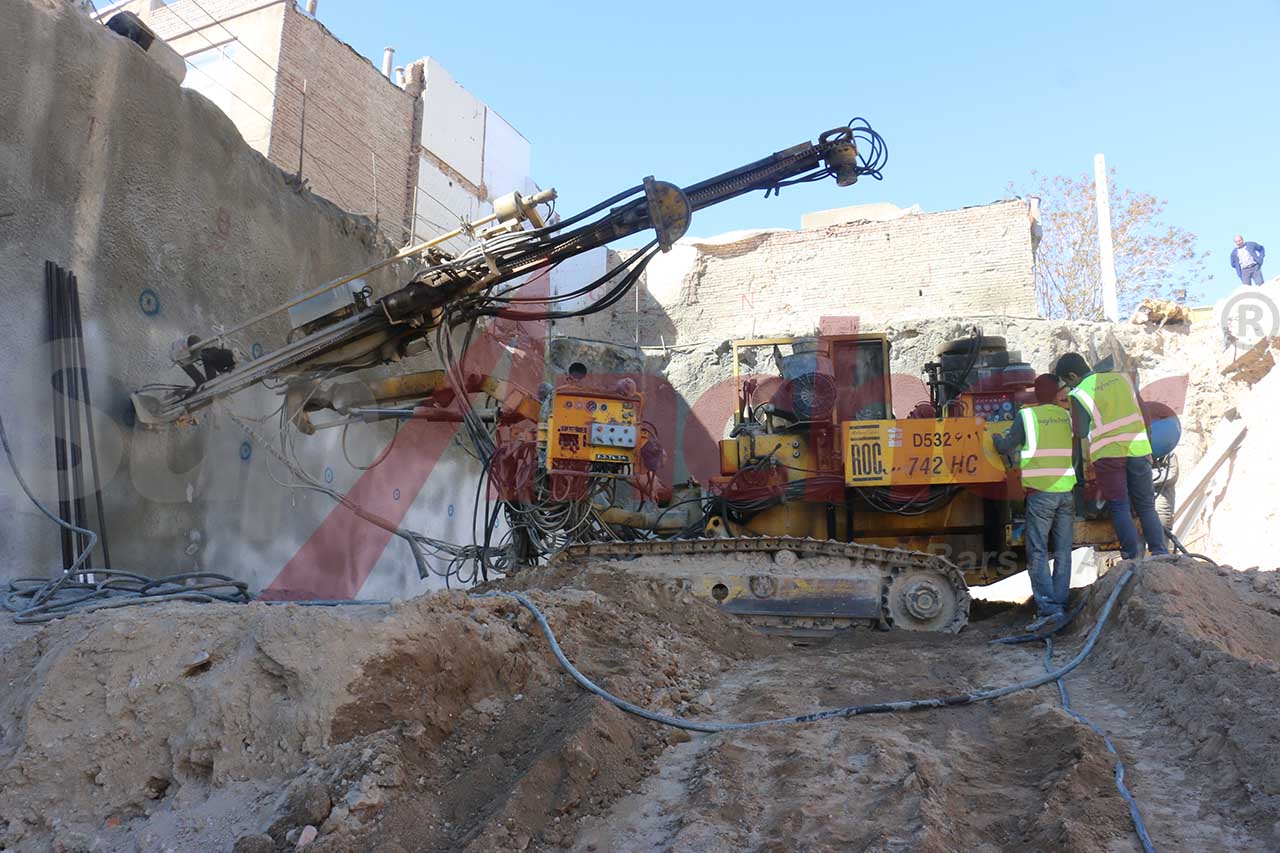
The construction sequence began with the excavation of a 2.5-meter-wide bench at every 8-meter vertical interval. A hydraulic crawler drill rig, fitted with a drifter capable of delivering 20 kNm of impact energy, was positioned on the bench. Crews attached a sacrificial carbide cross-cut bit to the leader bar of the self drilling bolt for civil engineering, and began drilling while simultaneously pumping neat cement grout through the hollow center at 1.2 MPa. The grout flushed out cuttings and filled the annulus as the drill advanced, preventing any loss of ground. Because the self drilling anchor system serves as both drill string and permanent reinforcement, there was no need to extract and re-insert a conventional tendon, saving precious minutes per anchor.
“We averaged 12 anchors per day per rig, which is phenomenal given the ground,” said the site supervisor. “With traditional probing and casing, we might have managed four or five.” The installation process was monitored in real time via a grout pressure recorder, which ensured continuous injection and alerted the crew to any sudden drops indicating large fissures. All grout mixing and pumping equipment was enclosed to prevent spillage, and excess grout was captured and recycled. The drilling process produced minimal noise, with decibel levels below 85 dB at 15 meters, compliant with local regulations. After reaching the design depth, the drill bit was left in place, and a plate, spherical nut, and bearing plate were installed. Anchors were tensioned after a 7-day cure, using a 500 kN center-hole jack. Load tests on 5% of anchors confirmed capacities exceeding 110% of the design working load.
The SupAnchor self drilling anchor bolt deployed on this project featured several advanced design elements that proved critical in the difficult ground. The table below outlines the key parameters and their operational significance.
| Parameter | Specification | Operational Benefit |
|---|---|---|
| Anchor Type | Self drilling hollow bar anchor (R38) | Combines drilling and anchoring; no casing needed. |
| Outer/Inner Diameter | 38 mm / 14 mm (approx.) | Optimal balance of stiffness and grout flow area. |
| Standard Lengths | 2.0 m, 3.0 m, 4.0 m, 6.0 m | Adaptable to varying bench heights; couplers extend to 25 m+. |
| Tensile Strength | ≥ 1050 MPa | Allows high working loads with slim diameter. |
| Yield Strength | ≥ 750 MPa | Ensures ductile behavior under overload. |
| Drill Bit Type | Carbide cross-cut, sacrificial | Penetrates mixed ground including cobbles and boulders. |
| Corrosion Protection | Double corrosion protection (epoxy coating + cement grout cover) | Suitable for aggressive environments; 75-year design life. |
| Thread Design | Continuous ISO 10208 wave thread | High load transfer efficiency; fatigue resistant. |
| Max. Installation Torque | 400 Nm per coupler | Rapid coupling without special tools. |
The epoxy coating, applied in SupAnchor’s state-of-the-art factory, is tested to withstand 1,000 hours of salt spray (ASTM B117). Combined with a minimum 20 mm of grout cover, the anchor bolt system for geotechnical engineering exceeds the requirements of EN 14490 for permanent anchors. The continuous thread profile also allows for easy coupling and applies torque uniformly, which prevented any thread stripping or fatigue in the high-vibration drilling environment.
The successful deployment of this self drilling anchor for retaining walls highlights a broader shift in the geotechnical industry. As infrastructure projects increasingly confront tight schedules and challenging ground, demand for the self drilling anchor system has grown exponentially. In Europe alone, the use of hollow bar anchor technology for soil nailing and rock bolting has increased by an estimated 20% annually over the past five years, driven by its cost savings and reduced environmental footprint.
Compared to traditional drilled and grouted anchors, the drill-and-grout bolt method reduces installation time by up to 40% and completely eliminates the need for temporary casing, which often requires disposal of contaminated drilling fluids. A recent study by the Deep Foundations Institute found that self drilling anchors reduced the overall retaining wall cost by 15% in comparable ground when factoring in reduced labor and equipment requirements. In urban environments, where noise and vibration restrictions apply, the self drilling method generates less disturbance, making it suitable for underpinning historic structures or working near sensitive utilities. The micropile hollow bar anchor variant is also gaining traction for underpinning historic buildings in European city centers, where controlled drilling and minimal vibration are paramount. In one such project in Vienna, SupAnchor’s system allowed the construction of a deep basement adjacent to an 18th-century cathedral without any settlement damage.
The rock bolt for underground mining sector has adopted similar principles, using self drilling roof bolts to manage loose roof conditions in mines across Australia and Canada. The project also illustrates how the ground anchor bolt factory model streamlines supply chains. By procuring directly from SupAnchor’s manufacturing facilities, the contractor avoided delays and quality inconsistencies associated with distributors. The factory’s rigorous ISO 9001-certified production process, including 100% magnetic particle inspection of threads and mechanical testing of every heat, ensured that each self drilling anchor bolt met the specified strength and durability. This reliability is critical when thousands of anchors must perform identically over decades.
Founded on a philosophy of “Professional, Innovative, Collaborative,” SupAnchor has grown from a domestic manufacturer into a global powerhouse in the geotechnical reinforcement system market. The company’s product portfolio spans the full spectrum of ground engineering solutions, from small-diameter soil nails to large-capacity micropile hollow bar anchor systems capable of bearing over 1,000 kN. With projects in over 50 countries, SupAnchor has supported iconic infrastructure such as high-speed rail networks, hydroelectric dams, and deep highway cuts.
Technical support is a cornerstone of SupAnchor’s offering. For this project, the company dispatched a senior applications engineer to the site for the first week of installation, training the crew on proper coupling, grout mixing, and tensioning procedures. Such on-site collaboration ensures that the anchor bolt system for geotechnical engineering is installed to specification, maximizing long-term performance. Furthermore, all SDA bolt factory direct supply orders come with full documentation, including mill certificates, coating thickness reports, and traceability for every component—essential for quality assurance in publicly funded infrastructure.
SupAnchor’s in-house testing laboratory is equipped with a 2,000 kN universal testing machine, a salt spray chamber, and a fatigue testing rig that simulates decades of cyclic loading. This facility serves not only quality control but also R&D for next-generation geotechnical reinforcement systems. In 2022, the company introduced a new heat treatment process that increased the ductility of its hollow bars by 12% without compromising tensile strength. Notable past projects include the supply of 100,000 self drilling anchors for the stabilization of an open-pit copper mine in Chile and the foundation reinforcement of a high-speed railway bridge in Malaysia. These examples underscore SupAnchor’s capacity to deliver ground anchor bolt factory solutions at scale, with the same precision as for a single highway cut.
Sustainability is increasingly integral to SupAnchor’s manufacturing operations. The company has invested in waste heat recovery systems, water recycling in its pickling and plating lines, and energy-efficient production machinery. These measures have reduced the carbon footprint per ton of steel product by 15% since 2020. As the industry moves toward green construction ratings, specifying a self drilling bolt for civil engineering from an environmentally responsible manufacturer can contribute to LEED or BREEAM credits. With climate change increasing the frequency of extreme weather events, robust slope protection systems are more critical than ever, and SupAnchor’s self drilling anchor technology is poised to play a central role in building climate-resilient infrastructure.
The highway slope stabilization project stands as a benchmark for what can be achieved when innovative geotechnical products meet real-world challenges. The combination of a robust self drilling anchor system, expert engineering support, and a reliable ground stabilization anchor system supply chain transformed a potential safety hazard into a model of efficiency. As infrastructure demands grow, the role of specialized suppliers like SupAnchor in ensuring resilient and sustainable construction has never been clearer. This project not only secures a vital transportation link but also reinforces confidence in the global geotechnical community’s ability to overcome natural obstacles through technology and collaboration.
A major Alpine tunneling project employs SupAnchor's self-drilling anchor system to overcome complex geology, ensuring safety and efficiency in ground stabilization.
SupAnchor’s new Grade 75 self-drilling hollow anchor bars offer superior bond performance and cost-efficiency for slope stabilization, tunneling, and foundation reinforcement. Discover technical specs and industry impact.
SupAnchor’s self-drilling anchor system proved vital in stabilizing a highway tunnel through fractured rock, showcasing advanced geotechnical reinforcement technology for safety and efficiency.
SupAnchor launches the SupFRP® GFRP Friction Bolt, a patented innovation offering high corrosion resistance, lightweight design, and enhanced safety for mining and tunneling projects worldwide.
SupAnchor’s self drilling anchor system provides critical ground stabilization for a major European tunnel project, demonstrating advanced geotechnical reinforcement technology.