As global infrastructure continues to expand, engineers are increasingly seeking materials that deliver long-term performance without the hidden costs of maintenance and early replacement. SupAnchor, a recognized leader in geotechnical reinforcement systems, has responded with the introduction of its SupFRP® GFRP Dowel Bar line—an advanced solution designed to provide reliable load transfer across concrete pavement joints while eliminating the corrosion risks inherent in traditional steel dowels. This product news explores the technical specifications, application versatility, and industry impact of these fiberglass-reinforced polymer dowel bars.
SupAnchor has built a reputation for manufacturing high-quality self drilling anchor systems and hollow bar anchors for demanding construction environments. The new GFRP dowel bars extend that expertise into the pavement and structural joint sector, offering engineers a durable, non-metallic alternative that aligns with modern sustainability goals. With a projected service life exceeding 100 years, these dowels are poised to redefine expectations for jointed concrete pavements in both transportation and industrial applications.
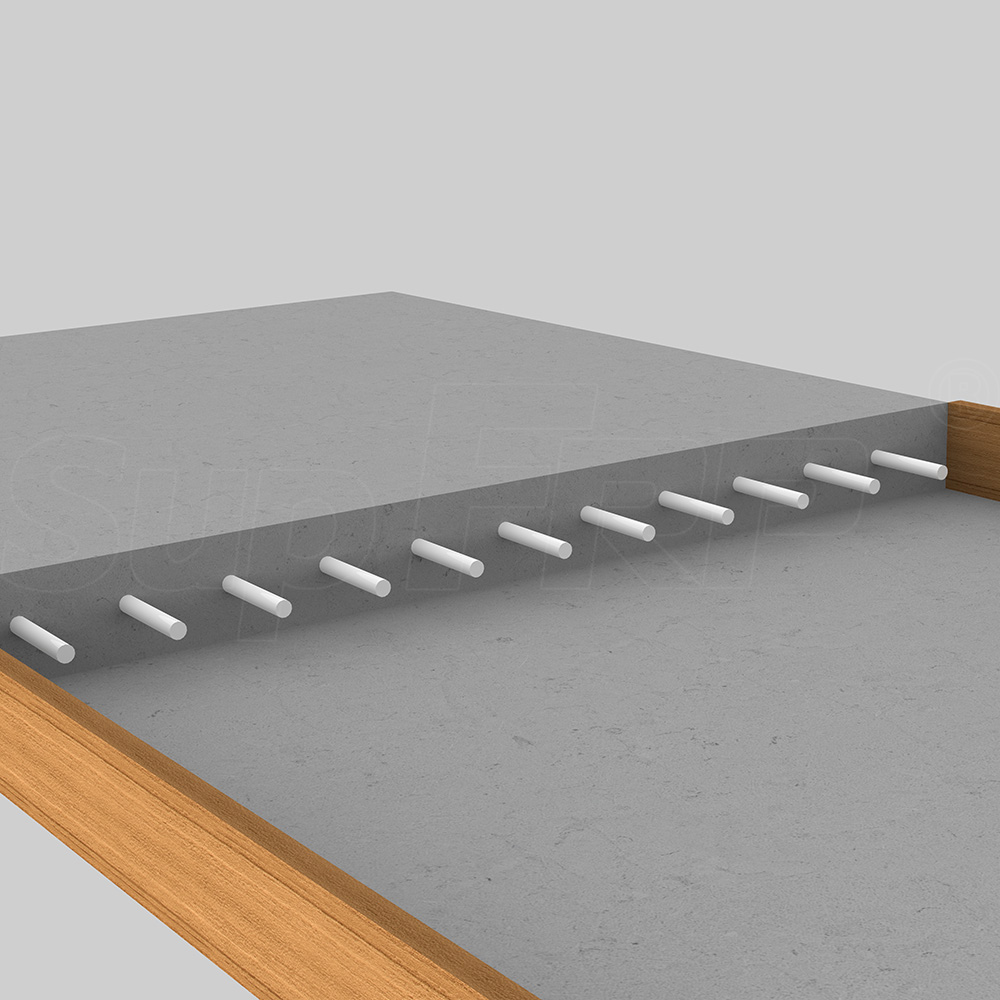
The SupFRP® GFRP Dowel Bar serves a critical function: it acts as a load transfer device at construction joints in concrete slabs. It provides a mechanical link between adjacent slabs while permitting horizontal movements caused by thermal expansion and contraction. This dual capability ensures structural stability during temperature fluctuations—a key challenge in pavement design, especially in regions with wide seasonal temperature swings. The bars are manufactured from premium raw materials and can be customized to meet specific project requirements, giving engineers flexibility in design.
Key advantages of the GFRP dowel bar include:
The product line includes six standard diameters, from DB16 (16 mm) to DB45 (45 mm), each with distinct mechanical properties. The table below summarizes the technical data for each model. All bars exhibit a coefficient of thermal expansion between 9 and 11 × 10⁻⁶/°C, closely matching that of concrete and minimizing internal stresses.
| Model | Outside Diameter (mm) | Transverse Shear Load (kN) | Nominal Cross-Sectional Area (mm²) | Coefficient of Thermal Expansion (×10⁻⁶/°C) | Weight (kg/m) |
|---|---|---|---|---|---|
| DB16 | 16 | 35 | 200 | 9–11 | 0.43 |
| DB20 | 20 | 55 | 310 | 9–11 | 0.67 |
| DB25 | 25 | 85 | 490 | 9–11 | 1.05 |
| DB32 | 32 | 130 | 800 | 9–11 | 1.71 |
| DB38 | 38 | 180 | 1130 | 9–11 | 2.41 |
| DB45 | 45 | 255 | 1590 | 9–11 | 3.37 |
These parameters directly address two major engineering challenges: load transfer efficiency and thermal compatibility. The high shear capacity ensures that traffic loads are distributed evenly across joints, preventing differential settlement and slab cracking. The close thermal expansion match with concrete minimizes internal stresses during temperature changes, reducing the risk of joint failure. Additionally, the non-metallic nature of GFRP eliminates any galvanic corrosion potential, making these dowels especially suitable for use in coastal environments or where de-icing salts are prevalent.
The SupFRP® GFRP Dowel Bar is engineered for a wide range of applications. Primary uses include jointed rigid pavement for highways, airport runways, and industrial flooring. The bars are also ideal for work areas with electromagnetic sensitivities—such as MRI rooms, transformer stations, and research facilities—where metallic components cannot be tolerated. Other applications include construction joints in large concrete structures, embankments, and mechanically stabilized earth (MSE) walls, where long-term durability is paramount.
In the context of global infrastructure development, the adoption of GFRP dowel bars aligns with the industry's shift toward more sustainable and maintenance-free materials. Traditional steel dowels are prone to corrosion, which can lead to joint spalling, pavement roughness, and costly repairs. By contrast, GFRP dowels offer a lifecycle advantage that translates into lower total cost of ownership. For European and American road agencies, this means fewer lane closures, reduced maintenance budgets, and extended pavement life—key metrics in modern asset management.
Furthermore, the integration of GFRP dowels with SupAnchor's existing portfolio of self drilling anchor systems and drill-and-grout bolts creates a comprehensive geotechnical reinforcement system for infrastructure projects. Contractors can source both anchorage and joint solutions from a single supplier, streamlining procurement and ensuring compatibility across different structural elements. This holistic approach is increasingly valued in large-scale projects where design consistency and supply chain reliability are critical.
SupAnchor has established itself as a forward-thinking manufacturer in the field of geotechnical reinforcement. The company's research and development efforts focus on creating products that meet the evolving demands of modern construction—emphasizing durability, safety, and environmental responsibility. The introduction of the GFRP dowel bar reflects this commitment, offering a solution that not only performs exceptionally but also contributes to the long-term resilience of infrastructure.
With ISO-certified production facilities and a track record of successful projects across the globe, SupAnchor continues to strengthen its position as a trusted partner for engineers and contractors. The company's collaborative approach ensures that each product is tailored to the specific needs of the project, from custom diameters to specialized resin formulations. This flexibility, combined with technical expertise, makes SupAnchor a preferred choice for geotechnical reinforcement systems worldwide.
The launch of the SupFRP® GFRP Dowel Bar marks another milestone in SupAnchor's mission to deliver innovative, high-quality solutions for the construction industry. As infrastructure owners increasingly prioritize lifecycle performance and sustainability, products like these will play a vital role in building the resilient roads and structures of tomorrow.
Industry report on SupAnchor's self drilling anchor system used in a complex construction site, highlighting technical parameters, project challenges, and global geotechnical trends.
SupAnchor's SupCT Bolt System combines steel and GFRP bolts with duplex corrosion protection for long-lasting geotechnical reinforcement in demanding tunneling projects.
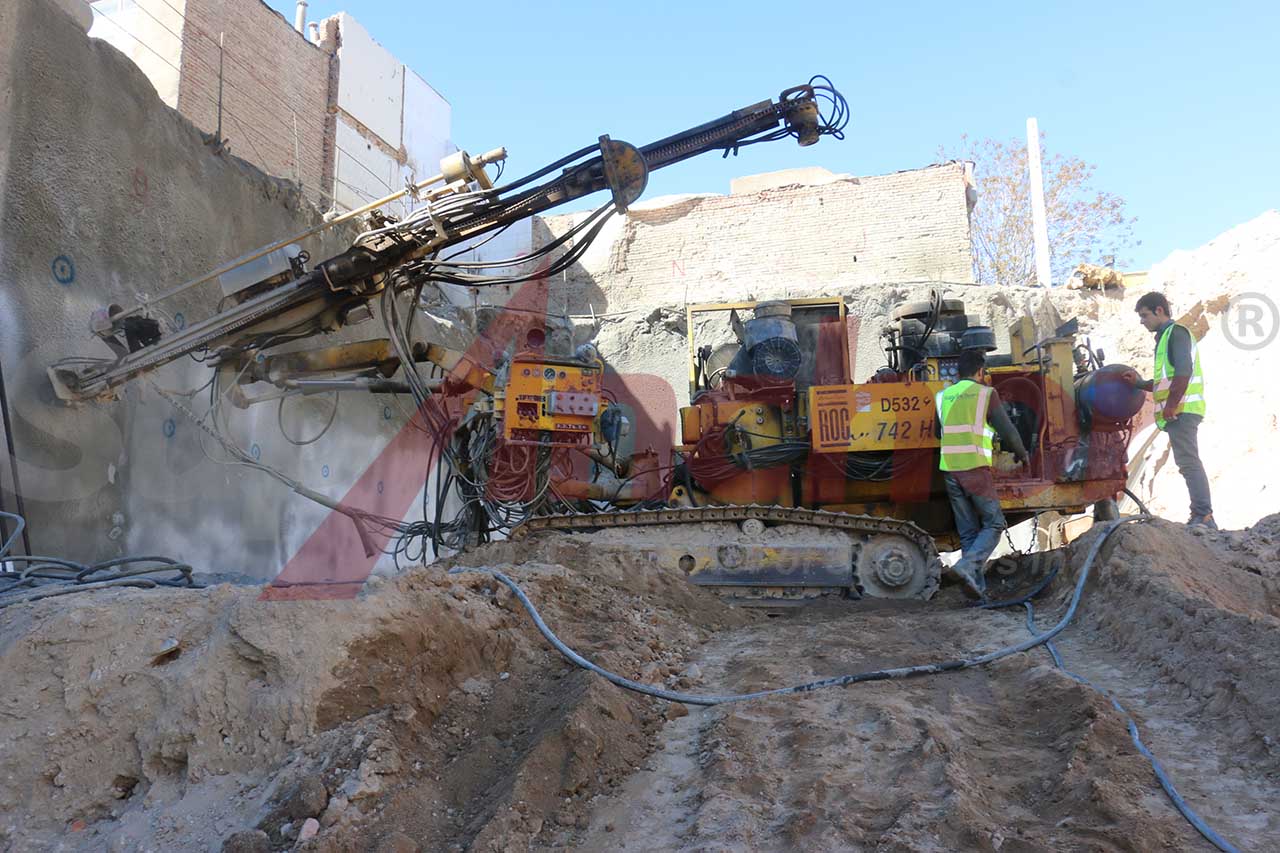
A major infrastructure project has deployed self drilling anchor bolts and hollow bar anchors to stabilize slopes and foundations in difficult ground conditions, highlighting the growing role of geotechnical reinforcement systems.
SupAnchor's new Grade 75 self-drilling hollow anchor offers enhanced load-bearing capacity for heavy-duty infrastructure, tunneling, and slope stabilization, combining high-strength steel with the proven 3-in-1 drill-and-grout system.
SupAnchor's self-drilling anchor system is being used in a major European infrastructure project, addressing challenging ground conditions and ensuring long-term stability.