
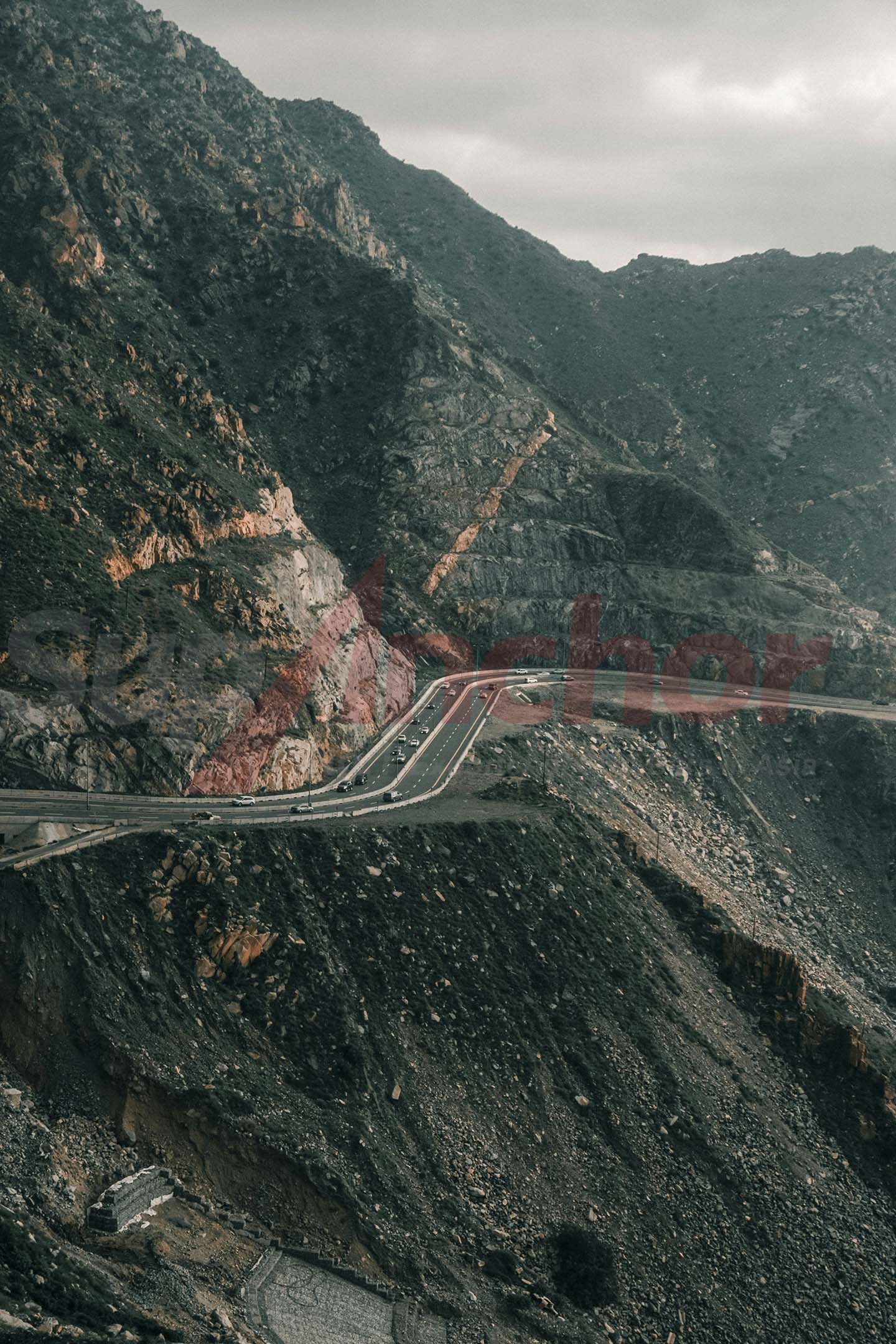
The expansion of a critical highway corridor through the geologically unstable Carpathian foothills in Eastern Europe presented formidable challenges that demanded an innovative ground support solution. Stretching 14 kilometers, the project involved cutting into steep, weathered slopes composed of alternating layers of fractured shale, sandstone, and loose colluvial deposits. With slope heights exceeding 25 meters in places and a history of landslides during heavy rainfall, the risk to construction crews and future motorists was acute. Traditional anchored retaining walls using pre-drilled boreholes with casing proved inadequate during trial installations: borehole collapse, loss of grout into voids, and inconsistent pull‑out resistance plagued early efforts. After a comprehensive review, the project team, led by general contractor Alpine Bau AG, specified SupAnchor’s self drilling anchor system—a decision that would prove instrumental in delivering the project safely and within budget.
The self drilling anchor bolt, a type of hollow bar anchor, combines drilling, grouting, and anchoring in a single operation. This ground stabilization anchor system is designed for collapsing ground, where conventional methods falter. As the hollow bar is drilled into the ground, neat cement grout is pumped through its central hole and exits at the drill bit, filling the borehole and surrounding fractures simultaneously. The result is a high‑strength bonded zone that can withstand immense tensile and shear forces. For the Carpathian highway, engineers designed a reinforcement grid of between 4 and 6 anchors per vertical row, with lengths up to 18 meters, to stabilize slopes that had been classified as high risk. In total, over 3,200 self drilling anchor bolts were installed—each one a vital element of the geotechnical reinforcement system.
The construction site photograph reveals a stark landscape of raw earth and heavy machinery. Excavators and drilling rigs are dwarfed by the towering cut face, where a grid of exposed anchor heads awaits the final shotcrete facing. The anchors, already embedded deep within the slope, represent a silent guard against instability, their load‑bearing plates a testament to the forces at play. In the foreground, workers in high‑visibility gear appear almost miniature against the scale of the operation, underscoring the monumental effort required to tame such terrain.
The anchor bolt system for geotechnical engineering must be precisely matched to site conditions. SupAnchor provided custom‑manufactured anchors with parameters verified through extensive laboratory and field testing. The bars were produced from a high‑strength steel alloy with minimum yield strength of 670 MPa and ultimate tensile strength of 980 MPa, ensuring they could handle the calculated working loads of up to 800 kN. Diameters of 40 mm and 52 mm were selected for different slope zones, with a continuous trapezoidal thread (ISO 10208) that provides excellent energy transfer during drilling and a reliable mechanical connection for the bearing plate.
Corrosion protection was a critical design requirement given the aggressive groundwater chemistry, which showed elevated sulfates and chlorides. Each self drilling anchor bolt received a duplex coating: a hot‑dip galvanized layer (85 µm) as a base, followed by a fusion‑bonded epoxy layer (300 µm) to seal the surface. This system, tested to withstand 1,000 hours of salt spray per ASTM B117, ensures a service life exceeding the project’s 100‑year design requirement. The table below summarizes the key specifications.
| Parameter | Specification |
|---|---|
| Bar Diameter | 40 mm / 52 mm |
| Anchor Length | 12 m – 18 m (single continuous bar) |
| Tensile Strength | 980 MPa min. |
| Yield Strength | 670 MPa min. |
| Elongation at Break | ≥ 6% |
| Corrosion Protection | Duplex: galvanized (85 µm) + epoxy (300 µm) |
| Thread Profile | TR (trapezoidal) per ISO 10208 |
| Service Load Capacity | 400 kN – 800 kN |
| Proof Load Test | 1.5 × service load (600 kN – 1,200 kN) |
These specifications are not arbitrary; they were refined through a value engineering process that considered factors such as slope height, groundwater pressure, and seismic acceleration. For instance, the 52‑mm‑diameter bars were reserved for the tallest cuts where calculated bond stresses required a larger grout‑to‑steel interface area. The result is an efficient, safe design that uses material sparingly without compromising integrity.
The installation of a drill‑and‑grout bolt is a symphony of high‑pressure pumping and precise drilling. At the Carpathian site, crews employed Casagrande C6 and C8 hydraulic rotary‑percussive rigs, each capable of handling the 18‑meter‑long bars. A sacrificial cruciform drill bit was threaded onto the leading end of the hollow bar. As the rig hammered and rotated the bar into the ground, neat cement grout with a water‑cement ratio of 0.40–0.45 and a superplasticizer additive was injected through the bar’s hollow core at pressures ranging from 1.5 to 3 MPa. The grout flushed cuttings upward along the annulus, compacted loose zones, and bonded the anchor to the surrounding strata. This simultaneous drilling and grouting action makes the method especially suitable for running sands and gravels, which often plague conventional borehole drilling.
Once the bar reached the design depth—confirmed by laser measurement and monitored penetration rate—the drill string was decoupled, and a domed bearing plate and high‑strength nut were installed. After a minimum curing period of 72 hours (accelerated by ambient temperatures above 10°C), each anchor was subjected to a proof load test. A calibrated hydraulic jack applied a sustained load of 1.5 times the design working load for 15 minutes while measuring creep displacement. Of the 3,200 anchors tested, only 28 (less than 0.9%) exhibited creep beyond the allowable threshold, and these were easily replaced or re‑grouted. This outstanding pass rate is a direct consequence of the self drilling anchor bolt’s design reliability and the rigorous quality control employed by SupAnchor as a ground anchor bolt factory.
“The consistency we saw was remarkable,” said Dr. Markus Hofmann, the project’s senior geotechnical engineer. “In my 20 years of experience, I’ve rarely encountered an anchoring system that yields such uniform load‑displacement curves. It speaks volumes about the manufacturing precision of these anchors.”
The Carpathian highway project is emblematic of a global surge in resilient infrastructure investment. According to the Global Infrastructure Hub, transportation capital spending is projected to exceed $4.5 trillion annually by 2030. Within this context, ground stabilization technologies are in high demand, and the self drilling anchor system has become a go‑to solution for challenging ground. Whether it is a self drilling anchor for retaining walls in a downtown transit hub, a rock bolt for underground mining in the Andes, or a micropile hollow bar anchor for foundation underpinning in soft soils, the versatility of the hollow bar is unmatched.
In urban environments, where vibration and noise constraints limit the use of large drilling rigs, the self drilling bolt for civil engineering shines. Its ability to be installed with compact equipment and minimal overhead clearance makes it ideal for basement retaining walls and tunnel portals. SupAnchor has been a key player in this transformation, earning recognition as a leading soil nail system manufacturer with a portfolio that spans 40 countries. From the seismic upgrade of the I‑5 freeway in California to the slope stabilization of the Dubrovnik coastal road in Croatia, the company’s anchors have proven their mettle time and again.
Standards compliance is non‑negotiable. SupAnchor’s products meet European EN 14199 (Execution of special geotechnical works – Ground anchors) and American ASTM A615/A615M standards, among others. Every batch of steel is traceable to certified mills, and finished anchors undergo ultrasonic flaw detection, dimensional checks, and tensile testing. For projects requiring corrosion protection beyond duplex coating, encapsulated systems with corrugated plastic sheathing are available, further extending the service life to 120 years or more.
Beyond pure engineering performance, the drill-and-grout bolt method offers significant environmental advantages. The simultaneous drilling and grouting process dramatically reduces the volume of spoil produced, as the majority of cuttings are incorporated into the grout column. In the Carpathians, this translated to a reduction of approximately 1,200 truckloads of waste material that would otherwise have been hauled to a disposal site. Additionally, the elimination of temporary casing minimizes the steel consumption compared to conventional anchored systems, aligning with sustainability goals set by the European Investment Bank, a co‑financier of the project. These sustainability gains are not merely ancillary; they are becoming contractual requirements under green financing frameworks such as the Equator Principles. Contractors who can document reduced carbon footprints through innovative methods like the hollow bar technique gain a competitive edge in tender evaluations.
Economically, the ground stabilization anchor system proved to be highly competitive. The contractor realized a 35% reduction in installation time compared to initial estimates for cased anchors, as the absence of casing removal and secondary grouting steps streamlined operations. The SDA bolt factory direct supply model from SupAnchor further trimmed costs, allowing the project to stay within its € 47 million geotechnical budget. Such efficiencies are increasingly critical as governments seek to maximize infrastructure returns on taxpayer money.
Behind the success of every anchor lies a dedicated team of engineers and manufacturers. SupAnchor operates state‑of‑the‑art production lines that transform raw steel into precision ground stabilization anchor systems. The company’s investment in automated thread rolling and coating plants ensures dimensional accuracy and coating uniformity that far exceed sector norms. As a trusted ground anchor bolt factory, SupAnchor maintains a rapid‑response inventory program, stocking standard dimensions ready to ship within days.
“We understand that geotechnical projects are dynamic,” explains Andrei Vasilescu, SupAnchor’s Regional Director for Europe. “Our SDA bolt factory direct supply capability means we can adapt quickly—whether it’s an urgent order for additional anchors or a late design change that requires a different diameter. We view ourselves as an extension of the project team.” This collaborative mindset, encapsulated in the company’s motto “Professional, Innovative, Collaborative,” was evident throughout the Carpathian job, where SupAnchor’s on‑site technicians provided round‑the‑clock support during peak installation periods.
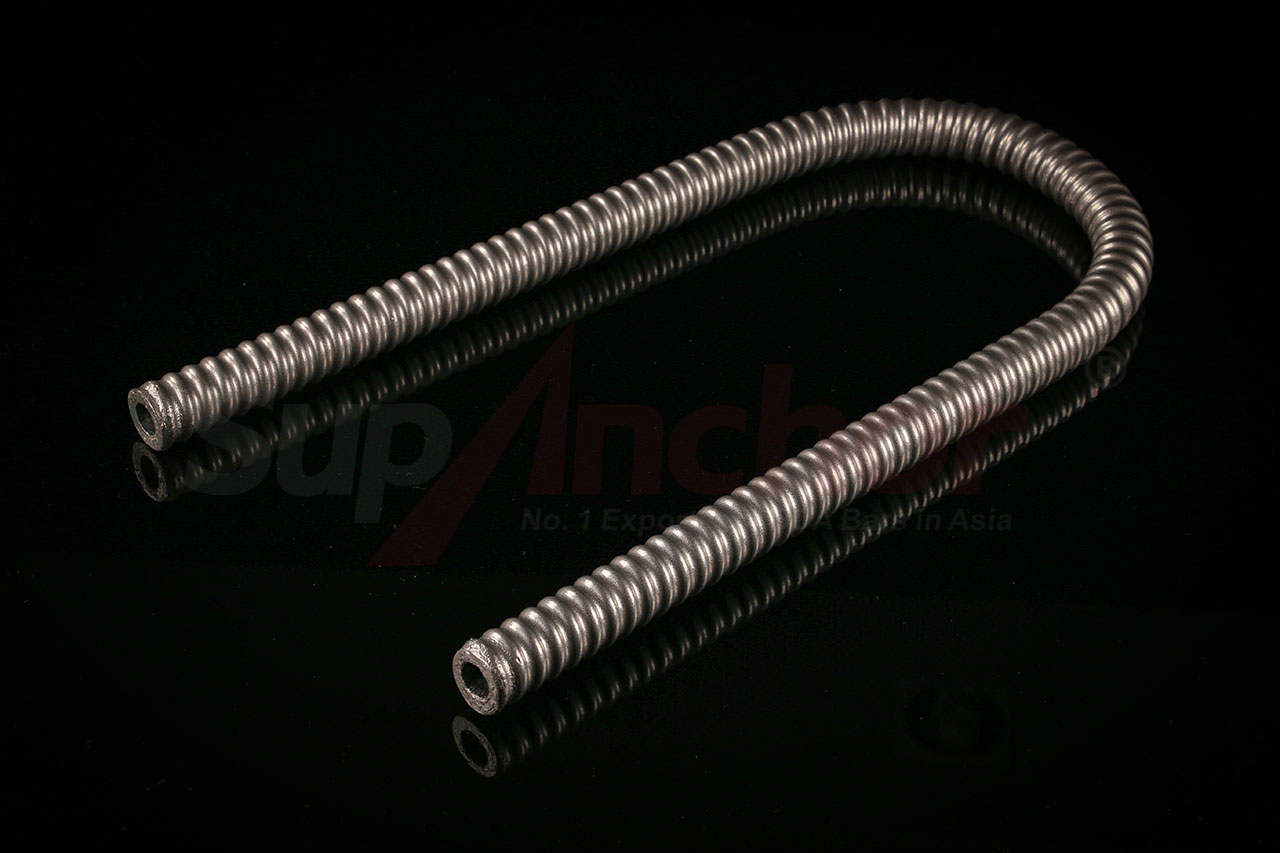
The product image above shows the hollow bar in its raw form: a deceptively simple steel bar with a continuous thread and a hollow center. It is a tool whose elegance belies its strength—a strength that now secures millions of cubic meters of earth along a vital transportation artery. For SupAnchor, this project is another milestone in a journey that has seen its products used in over 500 infrastructure ventures globally. The company’s ongoing R&D into high‑strength steels and intelligent anchors promises to set new benchmarks for safety and durability. As the final pavement is laid and traffic begins to flow, the hillsides will remain steadfast, a quiet testament to the power of advanced geotechnical reinforcement systems. With infrastructure demands only set to intensify, SupAnchor is poised to continue playing a pivotal role in shaping a safer, more connected world.
SupAnchor's self drilling anchor bolts provide efficient ground stabilization and slope support for a major highway project, demonstrating advanced geotechnical reinforcement systems.
SupAnchor's SupHulk PM series friction rock bolts deliver immediate full-column support with high yield loads up to 240 kN, ideal for challenging geological conditions in mining and civil engineering.
A major highway tunnel upgrade in Switzerland deploys advanced self-drilling anchor systems to overcome difficult geology. SupAnchor’s hollow bar anchors provide rapid installation, high load capacity, and long-term corrosion protection.
SupAnchor's T thread self-drilling hollow anchors, adhering to the T International Standard, streamline tunnel face support and slope stabilization with integrated drilling, grouting, and reinforcing functions.
A major infrastructure project benefits from SupAnchor's innovative self-drilling anchor system, combining drilling and grouting into one efficient step for enhanced slope stabilization.