
In a landmark urban infrastructure development that underscores the growing demands on modern geotechnical engineering, a major transportation hub project in central Europe has successfully overcome some of the most challenging ground conditions encountered in recent years. The excavation, reaching depths of over 25 meters in a densely built-up area, faced immediate risks from a heterogeneous mixture of loose alluvial deposits, weathered rock, and a high groundwater table. Project geologists and design engineers quickly recognized that conventional support methods would be insufficient to guarantee safety and schedule adherence. After an extensive evaluation, the project consortium turned to SupAnchor’s advanced self drilling anchor system, a decision that has now been validated by the remarkable performance on site.
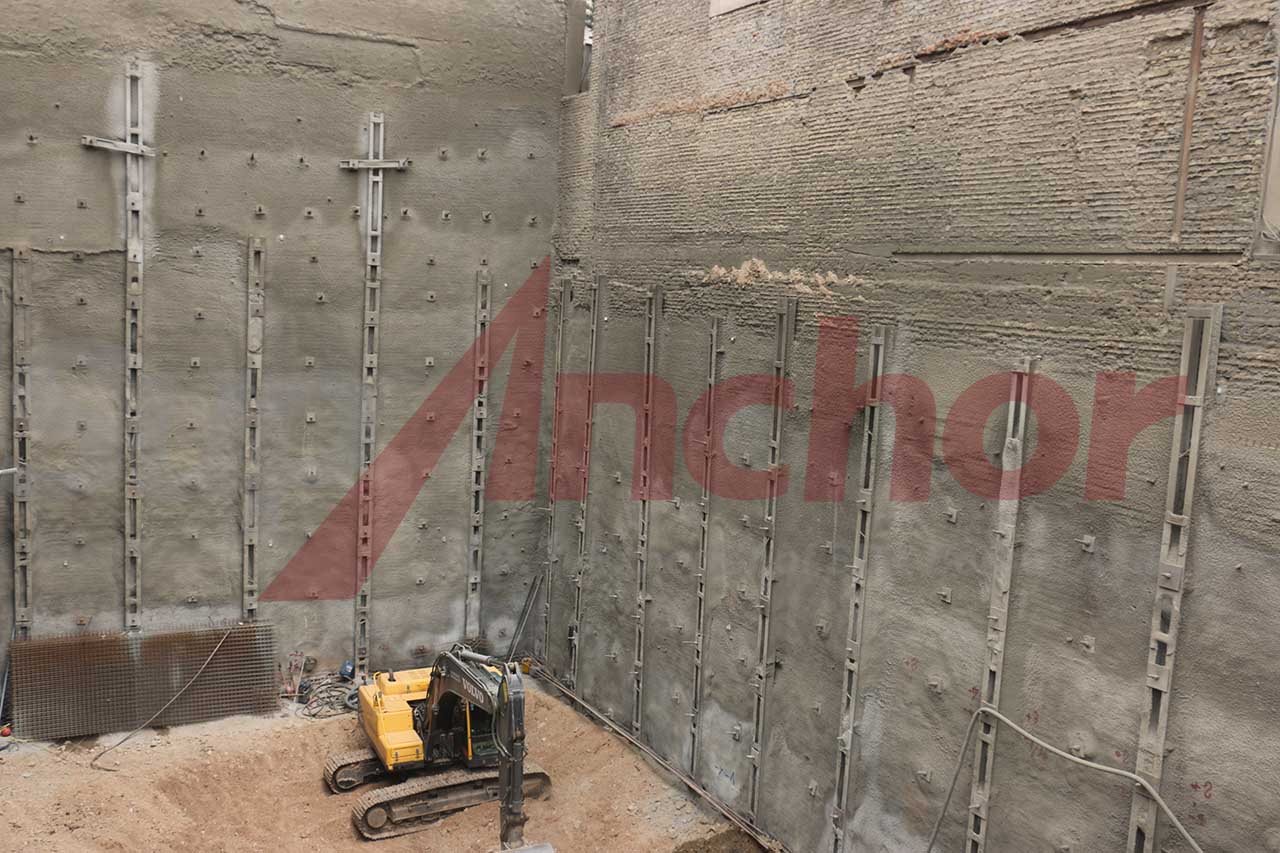
The self drilling anchor bolt technology combines drilling, grouting, and anchoring into a single continuous operation – a key advantage in ground conditions where borehole collapse or running sands can render traditional methods unsafe and inefficient. At this project, over 2,800 hollow bar anchors were installed to stabilize temporary and permanent retaining walls, with lengths varying from six to fifteen meters depending on the design requirements. The real-time monitoring data confirmed that the ground stabilization anchor system performed well within the design predictions, with lateral wall movements kept below 12 millimeters throughout the deepest excavation phases.
At the heart of the solution was a systematic deployment of SupAnchor’s SDA‑series hollow bar anchors. The site team utilized two distinct bar diameters to match the varying load demands: a larger R51N bar (outer diameter 51 mm, inner hollow diameter 25 mm) was specified for heavily loaded soldier pile anchors and corner sections, while a lighter R32N bar (outer 32 mm, inner 15 mm) served as the primary soil nail system for general area support. The table below summarizes the principal specifications of the products applied.
| Parameter | SDA R32N | SDA R51N |
|---|---|---|
| Outer / Inner Diameter (mm) | 32 / 15 | 51 / 25 |
| Typical Section Length (m) | 3–12 | 3–15 |
| Ultimate Tensile Strength (kN) | ≥ 280 | ≥ 660 |
| Minimum Yield Strength (kN) | ≥ 230 | ≥ 525 |
| Thread Form | Rope thread, left‑hand | Rope thread, left‑hand |
| Corrosion Protection | Hot‑dip galvanized (≥85 µm) | Hot‑dip galvanized + optional duplex coating |
Corrosion protection was a particularly critical consideration given the permanently saturated ground and the aggressive chemical composition of the groundwater. All hollow bar anchors were supplied with a hot‑dip galvanized coating exceeding 85 µm in thickness, and the R51N bars for permanent works received an additional epoxy top‑coat, creating a duplex system that achieves a design life well beyond 100 years in accordance with EN 1993‑5. This careful attention to durability ensures that the geotechnical reinforcement system will continue to safeguard the underground station concourse long after the construction phase is completed.
The installation sequences were optimized to take full advantage of the drill‑and‑grout bolt technology. Using crawler‑mounted drilling rigs equipped with automated grout plants, operators could complete a 12‑meter anchor in less than 15 minutes, from drilling alignment to grout injection. The grout mix – a neat cement blend with a water‑cement ratio of 0.40 and a compressive strength target of 30 MPa at 28 days – was injected through the hollow bar while rotating, ensuring full encapsulation of the bar and the threaded connections. This simultaneous drilling and grouting not only eliminated the risk of borehole collapse but also created a superior bond with the surrounding ground by penetrating into the pores and fissures of the weathered rock mass.
The success of this project highlights a broader shift in infrastructure design, where urban densification and aging transport networks compel authorities to excavate deeper and in more difficult ground. From light‑rail tunnels in soft river delta deposits to the expansion of underground interchanges beneath historic city centers, engineers are increasingly specifying self drilling anchor for retaining walls and slope stabilization schemes because of their reliability in cohesionless soils and fractured rock. The self drilling bolt for civil engineering brings a level of flexibility that is unattainable with driven piles or conventional strand anchors, particularly when headroom is limited or when vibrations and noise must be kept to an absolute minimum – a requirement that was paramount at this project, which lay immediately adjacent to a 19th‑century masonry opera house.
Trends in instrumentation and digital construction also played a role in demonstrating the value of the ground stabilization anchor system. Every fifth anchor was fitted with a fiber‑optic strain gauge cast into the grout column, feeding real‑time data to the project’s BIM platform. This allowed the design‑build team to verify the actual load distribution and adjust grouting pressures incrementally, effectively creating a live geotechnical feedback loop. It is precisely this marriage of proven mechanical hardware and modern monitoring that positions the anchor bolt system for geotechnical engineering at the forefront of Europe’s sustainable infrastructure movement.
Looking further afield, the same micropile hollow bar anchor technology is gaining traction in mining applications. Underground mines in Scandinavia and the Americas are replacing traditional resin‑grouted rebar with rock bolt for underground mining solutions that offer higher installation speed and better corrosion resistance in acidic mine water. The ability to couple hollow bars segment by segment also makes the system ideal for micropiling in karstic limestone, where variable void spaces demand a foundation solution that can be extended or terminated depending on the drilling resistance – a true adaptive foundation element.
Behind the hardware is a manufacturer with over two decades of specialized experience. As a leading soil nail system manufacturer and ground anchor bolt factory, SupAnchor operates production lines that are accredited to ISO 9001, ISO 14001, and ISO 45001 standards. Raw material traceability, robotic welding, and 100% mechanical testing of every production batch are embedded in a quality assurance protocol that has earned the trust of contractors on more than 60 major projects worldwide, from the AlpTransit rail tunnels in Switzerland to hydroelectric schemes in the Andes.
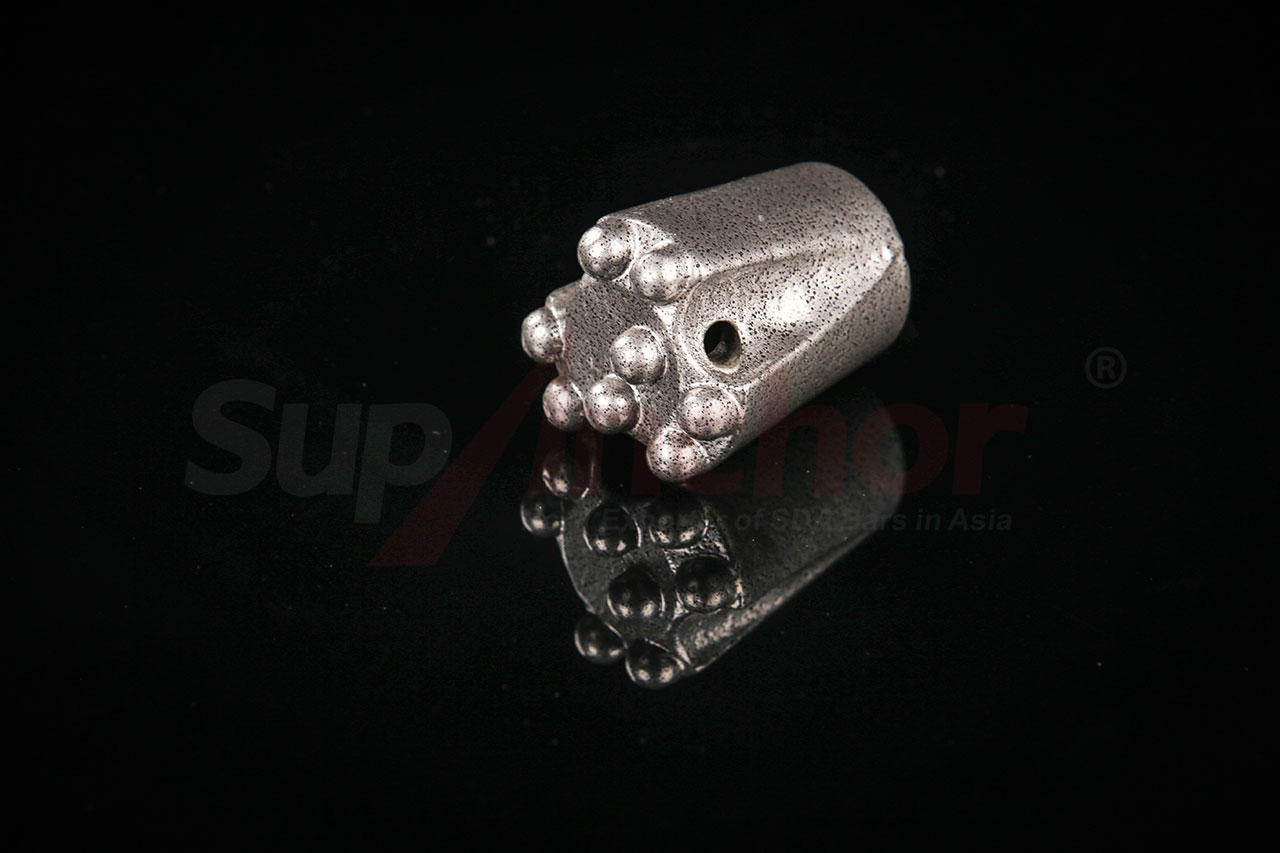
SupAnchor’s continuous investment in research and development has yielded innovations such as the patented self‑drilling bit design that reduces drill‑string deviation to less than 1% over a 20‑meter depth, and a range of expendable drill bits optimized for both soft clay and abrasive granite. The company’s engineering support team routinely collaborates with design consultants to validate the final anchor lengths and spacings through pull‑out tests conducted on site, ensuring that the theoretical design is confirmed in the ground before production installation begins. This partnership approach – where the manufacturer’s specialists work alongside the contractor’s site engineers – embodies the corporate ethos of “Professional, Innovative, Collaborative.”
For procurement managers, the direct‑to‑project SDA bolt factory direct supply chain model eliminates intermediary markups and shortens lead times significantly. Combined with the versatile hollow bar anchor design, this makes SupAnchor a preferred partner for contractors who value both technical certainty and commercial efficiency. As urban infrastructure continues to push the boundaries of geotechnical possibility, the proven reliability of these self drilling anchor system components offers a dependable pathway to safer, faster, and more resilient construction.
In an industry where margin‑for‑error is measured in millimeters and the cost of failure can be catastrophic, the project’s decision to adopt a fully integrated geotechnical reinforcement system from a single, quality‑driven source has set a benchmark. With the excavated cavern now structurally complete and the permanent lining works underway, the stakeholders are confident that the underground facility will serve the community safely for generations – a testament to the power of combining innovative engineering with uncompromising manufacturing standards.
A major urban infrastructure project successfully employed SupAnchor’s self drilling anchor system to overcome unstable ground conditions, demonstrating advanced geotechnical reinforcement technology.
SupAnchor introduces the SupShell Expansion Rock Bolt System, providing immediate anchorage and efficient grouting for geotechnical reinforcement in mines, tunnels, and infrastructure.
SupAnchor's self drilling anchor system provides robust ground stabilization for a challenging highway tunnel, showcasing innovative geotechnical reinforcement technology.
SupAnchor launches the GFRP Solid Bolt, a high-strength, corrosion-free anchoring solution for tunnels, slopes, and mines. With tensile loads up to 500 kN, it offers lightweight, non-conductive, and cuttable performance for harsh environments.
A major highway slope stabilization project in the Alps utilized SupAnchor’s self-drilling anchor system to overcome challenging fractured rock and loose soil, ensuring long-term geotechnical safety.