
The Aventicum Base Tunnel, a cornerstone of the European Union's Trans-Alpine Rail Corridor, is a 55-kilometer twin-tube railway tunnel under the Swiss Alps. Connecting the economic hubs of Zurich and Milan, the project aims to shift freight from road to rail, cutting CO2 emissions and travel times dramatically. With a budget exceeding €12 billion and a construction timeline stretching from 2019 to 2030, the tunnel represents one of the most ambitious civil engineering endeavors in modern history. However, the geological complexities encountered along the route have tested the limits of conventional ground support techniques. The tunnel passes through the Aventicum fault zone, a tectonic mélange characterized by block-in-matrix rocks, highly fractured phyllites, and water-bearing karstic limestone. In such conditions, borehole collapse during drilling is common, and standard rock bolts or soil nails often fail to provide immediate support. This is where the self drilling anchor system has proven indispensable.
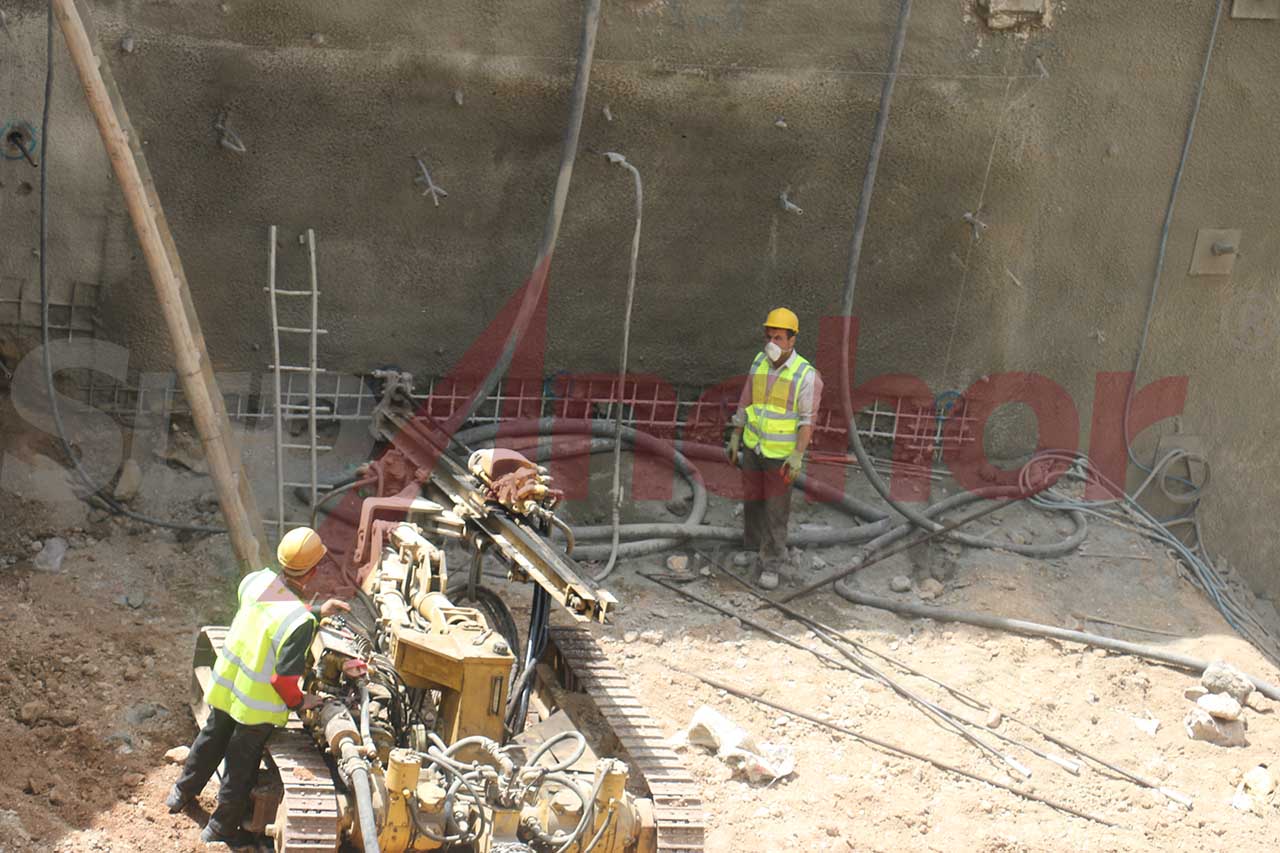
The photograph above shows a typical scene at the north portal: a state-of-the-art drilling jumbo installing SupAnchor self drilling anchor bolts in the tunnel crown. The operator is driving a 6-meter-long hollow bar through a mixed face of weathered schist and clay gouge. What is remarkable is that the entire operation—drilling, grouting, and anchoring—happens in one continuous step. The drill-and-grout bolt method eliminates the need to first drill a hole, remove the drill steel, and then insert a tendon. Instead, the sacrificial drill bit, attached to the leading end of the hollow bar, cuts through the ground while high-pressure cement grout is simultaneously injected through the bar’s internal cavity. The grout flushes out cuttings, stabilizes the borehole wall, and permeates surrounding fissures, creating a reinforced soil-rock composite. This instant support is critical in preventing fallout and face instability.
Prior to adopting the self drilling anchor system, the project consortium experimented with traditional SN anchors and split sets. In the fault zones, however, drilling a clean hole was nearly impossible; the broken rock would immediately collapse once the drill steel was withdrawn. Attempts to use casing while drilling were slow and expensive, often consuming 45 minutes per anchor. Water inflows from karstic voids further diluted the grout, compromising bond strength. Engineers needed a solution that could handle these adversities without adding time to the excavation cycle. The answer came in the form of SupAnchor’s SDA series, a hollow bar anchor that doubles as the drill rod. By combining drilling and grouting into a single operation, the system overcomes borehole instability entirely. As a result, anchor installation times dropped from 45 minutes to under 15 minutes per bolt, boosting the advance rate by nearly 30%.
SupAnchor’s engineers worked closely with the site team to specify the optimal ground reinforcement package. For the most demanding sections, the SDA-40 self drilling anchor bolt was selected. The following table details the key parameters of the bolts used in the Aventicum Tunnel:
| Parameter | Specification |
|---|---|
| Product Type | Self drilling anchor bolt (hollow bar) |
| Outer Diameter | 40 mm |
| Inner Diameter | 20 mm (for grout flow) |
| Material Grade | 40Cr alloy steel, ISO 898-1 Class 10.9 equivalent |
| Yield Strength | ≥ 680 MPa |
| Ultimate Tensile Strength | ≥ 830 MPa |
| Elongation (min.) | 8% |
| Thread Type | Left-hand rope thread (ISO 10208) |
| Corrosion Protection | Hot-dip galvanized per ISO 1461, ≥ 70 µm thickness; optional epoxy coating for aggressive water sections |
| Coupler Type | Male/female threaded couplers with energy-absorbing design |
| Max. Installation Depth | 12 m (with up to 4 couplers) |
| Drill Bit | Sacrificial cross-cut/mushroom bit, 64 mm diameter; tungsten carbide inserts for hard formations |
| Grout Type | Rapid-setting cementitious grout (W/C = 0.35–0.45), 28-day compressive strength ≥ 40 MPa |
These specifications were not just numbers on a data sheet. The high tensile strength and ductility were essential to cope with the severe rock squeezing observed—convergence rates of up to 150 mm per month in some stretches. The sacrificial bit design was optimized for the mixed ground, with frequent bit changes minimized by the use of carbide inserts. The hot-dip galvanizing provided long-term corrosion protection, a must for the tunnel’s 100-year design life in the damp alpine environment. In zones with acidic runoff, an additional epoxy coating was applied to the bars, a service SupAnchor offers as a ground anchor bolt factory with in-house coating facilities. This customization is a hallmark of a true anchor bolt system for geotechnical engineering partner.
On the face, the installation sequence is a study in efficiency. The drilling jumbo’s feed beam aligns the hollow bar, which is connected to a rotation-percussion drifter. As the bar penetrates, grout is pumped through the hollow core, exiting via flushing holes behind the bit. The operator monitors pressure and rotation speed to detect changes in ground conditions. Once the desired depth is reached, the bar is left in place, and grout continues to flow for a few seconds to ensure complete encapsulation. A plate and nut are then installed at the collar to provide immediate preload. The entire cycle takes less than 15 minutes from start to final tightening. In contrast, a cased system would require drilling, casing installation, bit extraction, tendon insertion, and separate grouting—easily tripling the time. The self drilling anchor system thus directly enhances worker safety by minimizing exposure to unsupported ground.
To validate the system, the site team conducted regular pull-out tests. A 12-meter-long self drilling anchor bolt installed in the kakiritic fault zone was loaded to 300 kN with less than 2 mm of movement, exceeding the design load of 250 kN. These results confirmed the superior bond strength of the grouted hollow bar anchor, thanks to the rough thread profile and the pressurized injection. Unlike conventional rock bolts, which rely on mechanical point anchors, the continuous bond along the entire length provides a more uniform load transfer, reducing stress concentrations. This performance is particularly important in squeezing ground, where long-term relaxation can cause traditional point anchors to lose preload. The ground stabilization anchor system effectively turns the surrounding weak rock into a self-supporting arch.
According to Markus Hofer, the lead geotechnical engineer, 'We tried all the usual suspects—self-drilling anchors were the only ones that worked without slowing us down. SupAnchor’s ability to deliver custom lengths within 48 hours was a game-changer.'
While tunnels are a primary domain, the self drilling anchor for retaining walls, slope stabilization, and foundation underpinning is witnessing a surge in demand globally. In urban environments, where vibration and access restrictions rule out dynamic compaction, micropile hollow bar anchors offer a quiet, low-vibration alternative for retrofit and new construction. The product’s versatility means that a single soil nail system manufacturer like SupAnchor can supply everything from a light-weight soil nail for building excavation to a heavy-duty rock bolt for underground mining. In mining, the rock bolt for underground mining has been a staple for decades, but the advent of self-drilling variants has allowed faster cycle times in development drifts, even in highly stressed ground prone to rockbursts. In earthquake-prone regions, the ductility of the hollow bar anchor system allows it to dissipate energy, reducing the risk of sudden failure. The Aventicum project itself uses the same SDA bolt factory direct supply for temporary portals, cut-and-cover sections, and even as forepoling spiles in the running ground of the portals.
The broader context of climate change is also pushing innovation in ground stabilization anchor systems. More frequent extreme rainfall events demand robust slope protection, while rising sea levels threaten coastal infrastructure—areas where corrosion-resistant hollow bar anchors excel. Governments worldwide are investing trillions in infrastructure renewal, and specifications increasingly call for self drilling bolts for civil engineering because of their reliability and performance verification through pull-out tests. International standards like EN 14490 and ASTM A615 now include provisions for such systems, reflecting their growing acceptance.
SupAnchor’s role in the Aventicum Tunnel is not an isolated success story. The company has supplied its geotechnical reinforcement systems to over 30 major projects in the last five years, including the Sydney Metro, the Los Angeles Crenshaw/LAX Line, and the Norwegian E39 coastal highway. With manufacturing facilities spanning three continents and a network of distribution centers, SupAnchor ensures that clients receive genuine, certified products with full traceability. Their quality management system is audited to ISO 9001:2015, and environmental stewardship to ISO 14001. In addition, the company’s in-house R&D team continuously refines thread designs and steel grades to push the envelope of load capacity and corrosion resistance. The company’s slogan, 'Professional, Innovative, Collaborative,' is backed by a team of geotechnical engineers who provide on-site training and real-time troubleshooting.
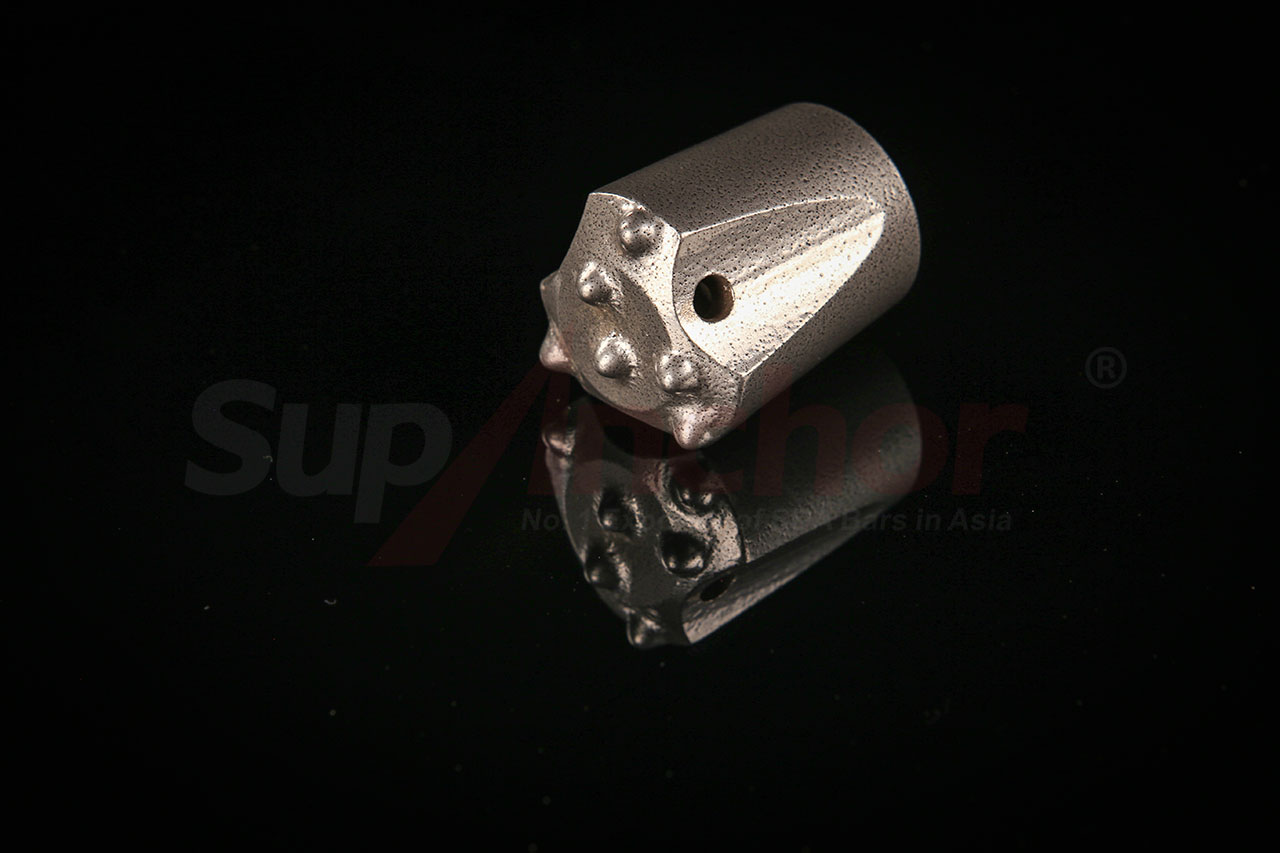
The product image above illustrates the robust simplicity of the self drilling anchor bolt. From the precision-machined coupler to the uniform galvanizing, every component is engineered for reliability. As the industry edges toward digitalization, SupAnchor is piloting sensor-equipped bars that can transmit load and corrosion data to a central monitoring system. Such innovations could transform asset management for tunnels and bridges, aligning with the smart infrastructure trend.
As the Aventicum teams push the excavation through the final kilometers, the performance of the ground stabilization anchor system stands as a testament to the value of integrated anchoring technology. By eliminating borehole collapse, speeding up cycles, and enhancing long-term durability, SupAnchor’s self drilling anchors have become a cornerstone of the project’s success. For the wider industry, the lessons are clear: investing in the right anchor bolt system for geotechnical engineering at the design stage pays dividends in safety, schedule, and cost. With tunnels like the Aventicum setting new benchmarks, the demand for reliable, high-performance self drilling anchor systems will only grow. Looking ahead, the combination of advanced manufacturing and on-site engineering collaboration will be the key to unlocking even more ambitious underground spaces.
At the Aventicum Base Tunnel, SupAnchor's self-drilling anchor system conquered collapsing ground, slashing installation times and ensuring long-term stability for one of Europe’s largest rail projects.
The SupUTS self-drilling hollow anchor delivers superior tensile strength for deep foundations, tunnels, and slopes. Learn how its integrated design and anti-corrosion options enhance safety and efficiency.
A major highway slope stabilization project in the Alps utilizes SupAnchor's self-drilling anchor system to combat fractured rock and landslides, showcasing efficiency and durability.
SupAnchor introduces the SupFRP GFRP Solid Bolt, a high-strength, lightweight, and corrosion‑proof anchor for slope stabilization, tunneling, and mining. Eliminating rust and electromagnetic interference, it offers guaranteed tensile loads up to 500 kN.
A major Alpine tunneling project employs SupAnchor's self-drilling anchor system to overcome complex geology, ensuring safety and efficiency in ground stabilization.