
In an era where infrastructure durability and sustainable construction are paramount, SupAnchor has unveiled its latest addition to its geotechnical reinforcement portfolio: the SupFRP® GFRP Mesh. This high-performance grid product, developed based on standard grid applications, promises to redefine concrete protection and strengthening in aggressive environments. As a company already renowned for its self drilling anchor systems and hollow bar anchors, SupAnchor is now setting new benchmarks with this fiberglass-reinforced polymer mesh that combines corrosion resistance, high strength, and unmatched ease of installation.
The launch comes at a time when engineers and contractors worldwide are grappling with the limitations of traditional welded metal mesh—rust, weight, electrical conductivity, and magnetic interference. The SupAnchor GFRP Mesh directly addresses these pain points, offering a flexible, lightweight alternative that maintains structural integrity even in the harshest chemical and marine exposures. From roof and wall protection to concrete repair and flat slab construction, this mesh is poised to become a go-to solution for projects demanding longevity and performance.
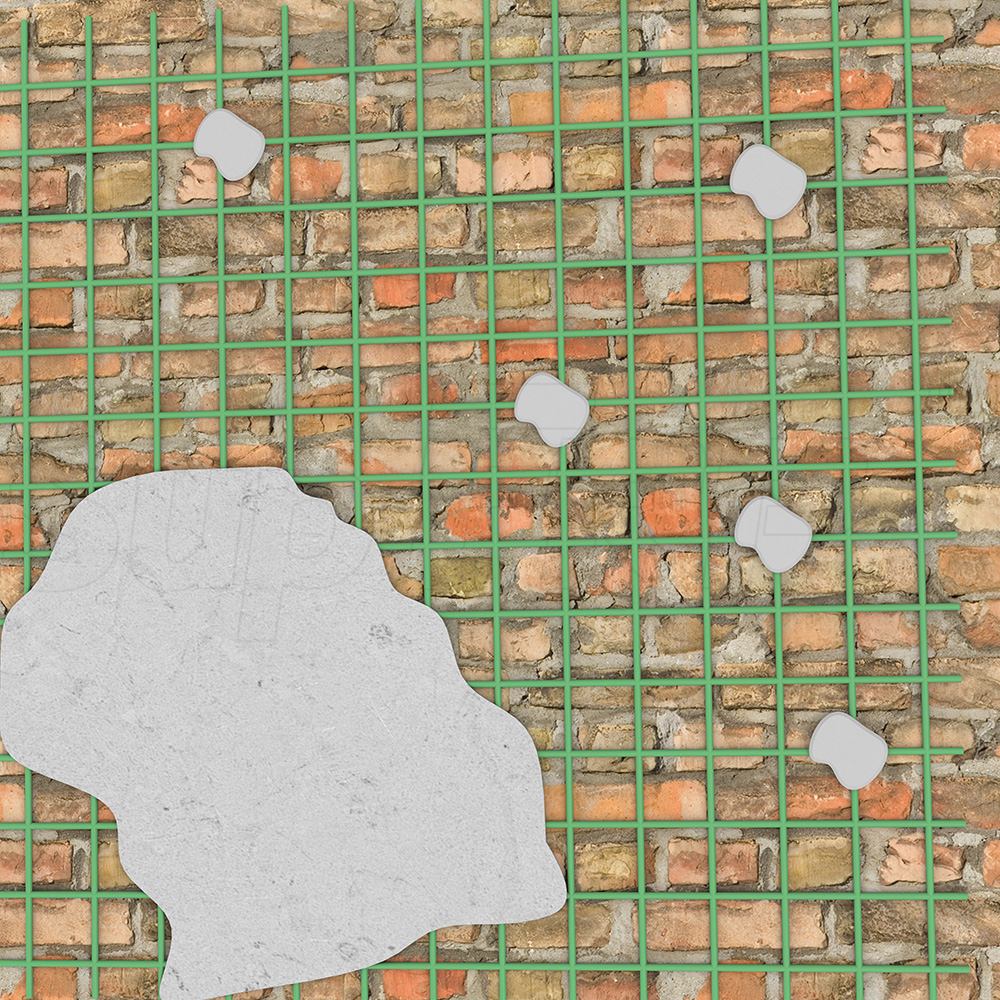
The SupFRP® GFRP Mesh is assembled from longitudinal and transverse GFRP rods, with crossing points securely fixed by impregnated polymer yarn. This unique jointing method ensures strong, reliable connections that resist mechanical and environmental stresses. Unlike metal mesh that may corrode over time, the polymer matrix provides permanent protection against chloride attack, acidic soils, and de-icing salts—common culprits in concrete deterioration.
Key advantages that set this product apart include:
SupAnchor’s commitment to quality is evident in the precise manufacturing process. Each rod is produced under strict ISO-certified conditions, and the jointing technique is engineered to withstand significant loads. The result is a mesh that maintains its shape and performance during transport, installation, and long-term service.
To help engineers select the appropriate mesh for their projects, SupAnchor provides detailed technical data for three popular rod diameters: M4, M6, and M8. The table below summarizes the key specifications:
| Model | Rod Diameter (mm) | Jointing Load (kN) | Standard Grid Size (mm) | Notes |
|---|---|---|---|---|
| M4 | 4 | 2 | 100x100, 150x150* | Other grid sizes available |
| M6 | 6 | 3 | 100x100, 150x150* | Other grid sizes available |
| M8 | 8 | 5 | 100x100, 150x150* | Other grid sizes available |
*Note: The 150x1500 mm size mentioned in the product introduction is believed to be a typo for 150x150 mm, which aligns with standard grid dimensions. SupAnchor confirms all dimensions are in mm and customizable.
The jointing loads of 2 kN, 3 kN, and 5 kN for M4, M6, and M8 respectively demonstrate robust node connections that remain stable under concrete pour pressure and temperature fluctuations. When used in concrete overlays or wall protection, this ensures uniform stress distribution and crack control. The lightweight nature—roughly one-fourth the weight of equivalent steel mesh—accelerates installation, particularly on high-rise projects where manual handling is challenging.
The SupFRP® GFRP Mesh is designed for a wide range of civil and structural applications:
Roof and Wall Protection: Applied as secondary reinforcement in shotcrete or cast-in-place wall systems, the mesh prevents surface spalling and provides a durable shield against weathering. Its non-corrosive properties make it ideal for retaining walls in aggressive soils or concrete exposed to salt spray.
Repair of Concrete Structures: For rehabilitation of aging bridges, parking garages, and marine piers, the mesh reinforces patching compounds and overlays without introducing a new corrosion hazard. Its flexibility allows it to conform to curved or irregular surfaces.
Flat Slab Construction: As a replacement for steel mesh in flat slabs, it eliminates the risk of rust staining and reduces dead load. Its non-magnetic nature is critical in hospital and laboratory floors where minimal electromagnetic interference is required.
Highway Overlays: Used in conjunction with a concrete overlay on deteriorated pavement, the mesh controls reflective cracking and extends the life of the pavement structure. Its resistance to de-icing chemicals ensures long-term performance without premature failure.
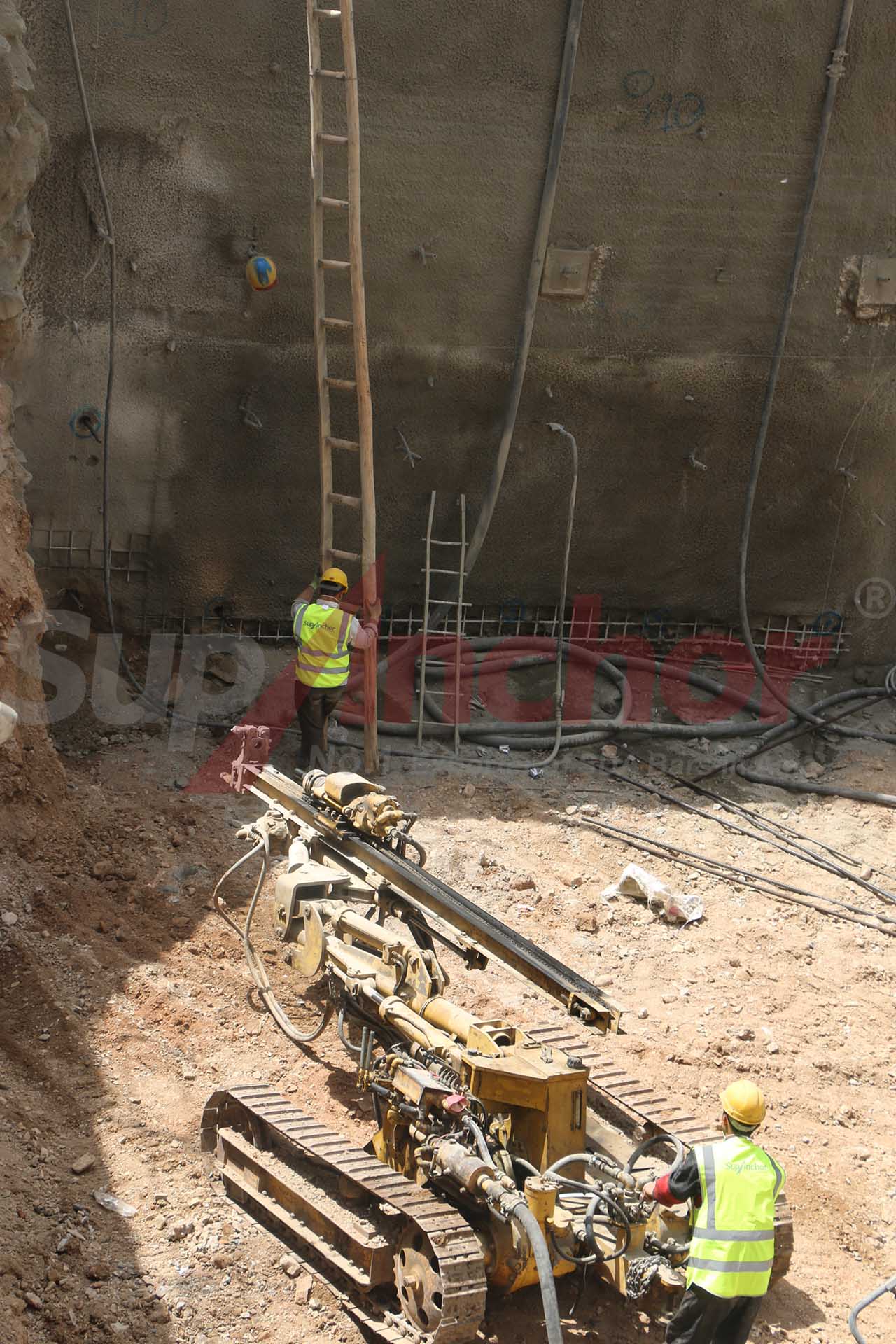
In each scenario, the mesh works alongside traditional reinforcement or as a standalone solution, offering contractors a versatile material that simplifies logistics and enhances safety. For instance, on a recent tunnel rehabilitation project (similar to the one depicted in the image above), SupAnchor’s self drilling anchor bolts provided immediate ground support while the GFRP mesh was used for the secondary lining, illustrating the synergy within the company’s product ecosystem.
Infrastructure deterioration is a multi-trillion-dollar global challenge. According to the American Society of Civil Engineers, the U.S. alone faces a $2.6 trillion investment gap over the next decade to bring infrastructure to an acceptable state. Corrosion of steel reinforcement is a primary factor in concrete decay. The SupAnchor GFRP Mesh offers a proactive solution that addresses this issue at its root, potentially reducing maintenance cycles and lifecycle costs.
In addition to durability, the mesh’s non-conductivity addresses growing needs in electrified rail networks, where stray currents can induce corrosion in steel mesh. Likewise, in magnetic resonance imaging (MRI) suites and research facilities, non-magnetic materials are mandatory. By eliminating these hazards, the mesh opens new application domains that conventional metal mesh cannot serve.
Environmentally, the lightweight characteristic translates to lower transportation emissions and easier site handling, aligning with sustainable construction practices. As green building certifications like LEED and BREEAM gain traction, materials that reduce embodied energy and prolong service life become increasingly sought after.
SupAnchor has long been recognized as a leader in geotechnical reinforcement systems. From self drilling anchor systems to hollow bar anchors and drill-and-grout bolts, the company’s products are trusted in tunneling, mining, slope stabilization, and foundation engineering projects across the globe. The introduction of the GFRP Mesh represents a natural expansion of this expertise, leveraging advanced composite manufacturing techniques to meet evolving market needs.
Backed by rigorous R&D and ISO 9001 quality management, every SupFRP® mesh panel is manufactured to exacting standards. The company’s global distribution network ensures timely delivery and technical support, whether for a small repair contract or a large-scale infrastructure program. Collaborative partnerships with engineering firms allow SupAnchor to customize mesh configurations—grid size, rod diameter, and even rod surface finishes—to optimize performance for specific designs.
“At SupAnchor, we don’t just sell products; we deliver integrated reinforcement solutions,” said a company spokesperson. “Our self drilling anchor bolts have revolutionized ground support in challenging conditions, and now our GFRP Mesh brings that same spirit of innovation to concrete protection. We are committed to helping our clients build safer, more resilient structures.”
As the industry moves towards smarter, longer-lasting infrastructure, SupAnchor’s GFRP Mesh stands out as a forward-thinking choice. Engineers and procurement managers seeking alternatives to traditional metal mesh can rely on this high-performance composite to meet stringent specifications while offering practical benefits on site.
For detailed technical datasheets, design guidance, or a quotation, visit www.supanchor.com or contact the sales team directly.
With the launch of the SupFRP® GFRP Mesh, SupAnchor continues to demonstrate that professional expertise, innovative spirit, and collaborative engagement are the cornerstones of lasting success in the construction materials industry.
SupAnchor's advanced self-drilling anchor system supports challenging slope stabilization on a key European highway, demonstrating superior geotechnical reinforcement in difficult ground conditions.
SupAnchor's GFRP SDA Bolt integrates drilling, grouting, and anchoring for efficient tunnel face stabilization and slope reinforcement. High strength, corrosion resistance, ISO threads.
SupAnchor's self drilling anchor system proves effective in stabilizing weak ground for a large European infrastructure project, enhancing safety and efficiency.
SupAnchor's ASTM A615 Grade 75 self-drilling hollow anchor bars provide high bond strength, efficient installation, and compatibility with existing systems for challenging geotechnical projects.
A major infrastructure project used SupAnchor's self drilling anchor system to address complex geotechnical challenges, ensuring safety and efficiency in slope stabilization and foundation support.