
In a rugged mountainous region where a vital highway artery twists through steep cuttings, a major slope stabilization project recently reached a critical milestone. The geology—a fractured mix of weathered shale and hard sandstone—posed a persistent threat of landslides and rockfall, jeopardizing both construction safety and long-term road integrity. To counteract these forces, the engineering team turned to an advanced geotechnical reinforcement system: the self drilling anchor system from SupAnchor, a globally trusted manufacturer of ground stabilization solutions.
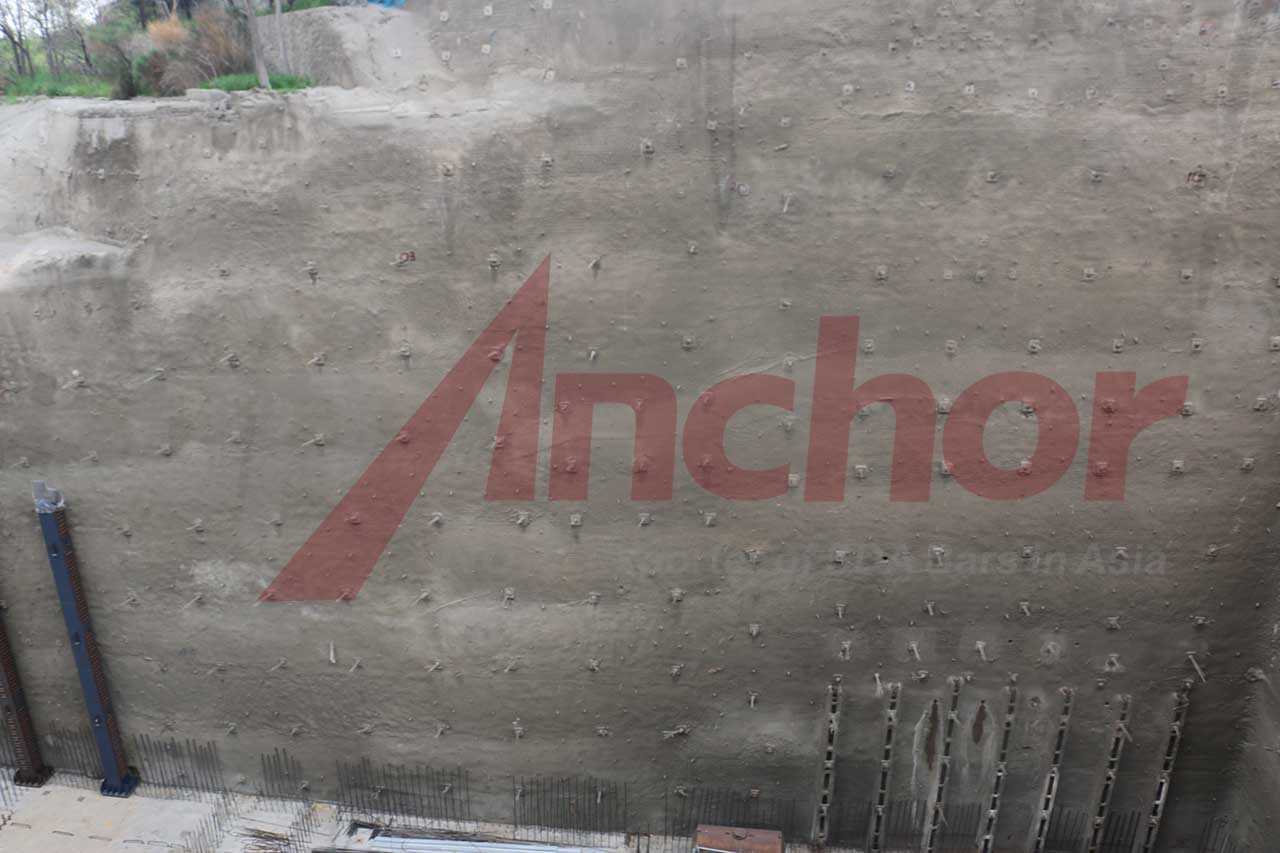
The project, located on a newly widened section of national highway, required securing near‑vertical cut slopes up to 30 meters high. Traditional drilling methods struggled with collapsing boreholes in the fractured overburden, leading to delays and cost overruns. The introduction of SupAnchor’s self drilling anchor bolts changed the equation entirely. Combining drilling, grouting, and anchoring in a single operation, these drill-and-grout bolts eliminated the need for temporary casing and minimized disturbance to the already unstable ground.
The slope comprised alternating layers of highly weathered phyllite and competent sandstone, with persistent groundwater seepage exacerbating the instability. Initial geological surveys revealed a high risk of wedge failures and progressive ravelling. The client—a national highway authority—demanded a ground stabilization anchor system that could:
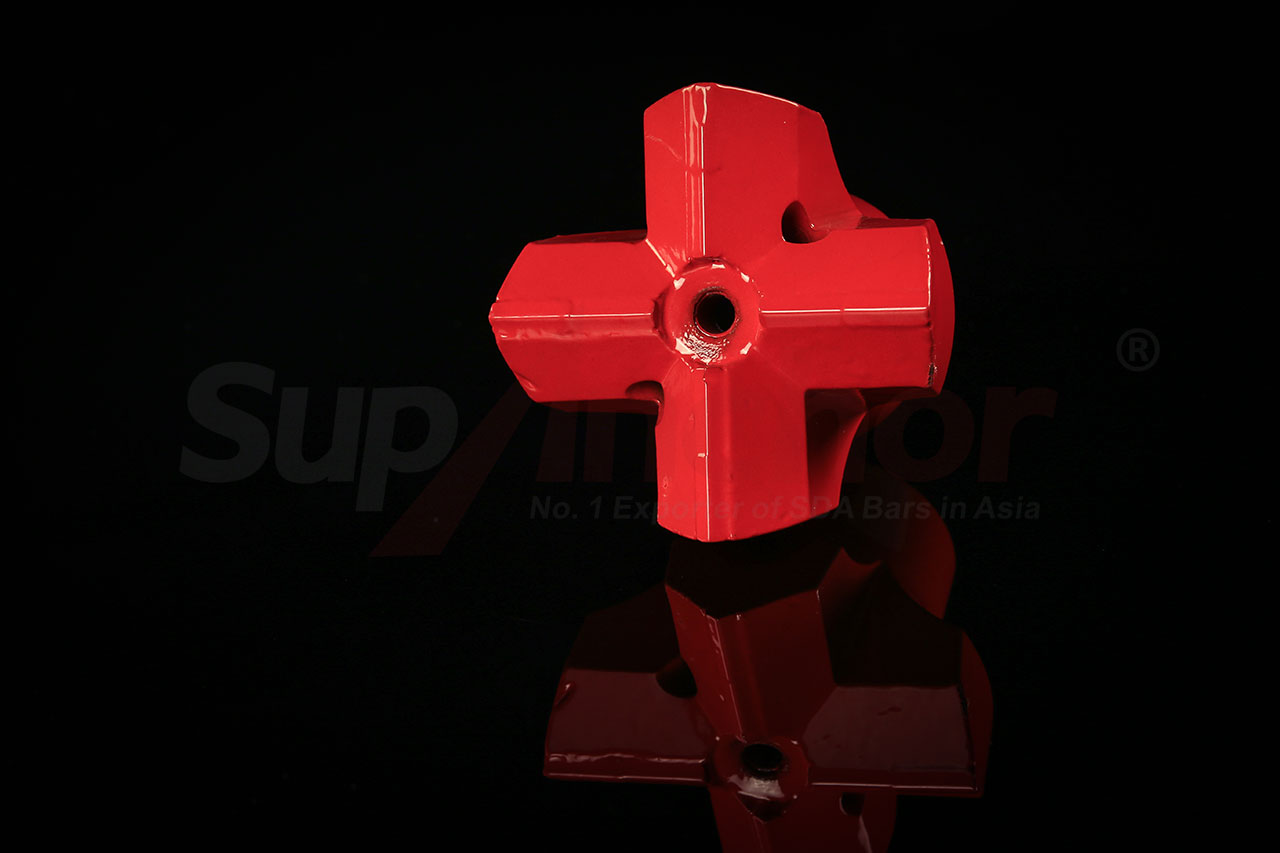
SupAnchor’s engineering team proposed a tailored solution using their SDA (Self Drilling Anchor) bolt system. Recognized as a leading soil nail system manufacturer, SupAnchor supplied a combination of R32 and R38 hollow bar anchors, each featuring a sacrificial drill bit and continuous internal flushing channel. The self drilling anchor for retaining walls and steep slopes proved ideal, as it could install through the entire unstable zone and anchor into the competent bedrock beyond.
The performance of any ground anchor bolt factory lies in the precision of its product specifications. For this project, SupAnchor provided two primary anchor types, with the following key parameters confirmed through their ISO‑certified production line:
| Parameter | R32 Anchor | R38 Anchor |
|---|---|---|
| Nominal Outer Diameter | 32 mm | 38 mm |
| Ultimate Tensile Strength | ≥ 500 kN | ≥ 800 kN |
| Yield Strength | ≥ 400 kN | ≥ 650 kN |
| Drill Bit Diameter | 42–51 mm | 51–64 mm |
| Standard Lengths | 2, 3, 4, 6 m | 2, 3, 4, 6 m |
| Corrosion Protection | Hot‑dip galvanized or epoxy coated | Hot‑dip galvanized or epoxy coated |
| Grout Pressure Capacity | Up to 20 bar | Up to 20 bar |
These micropile hollow bar anchors were selected because their high tensile capacity allowed longer anchor spacing, reducing the total number of installations. The hollow bar design served as both drill rod and injection pipe, enabling continuous grouting through the bit. This drill-and-grout bolt method ensured that the cement‑based grout filled all voids in the fractured rock mass, effectively bonding the anchor and increasing shear resistance. The dual corrosion protection system—hot‑dip galvanizing plus a thick epoxy layer—guarantees a service life exceeding 100 years, critical for transportation infrastructure.
During installation, teams deployed two hydraulic rotary‑percussive drills mounted on excavator arms. Each self drilling anchor bolt was driven at a preset angle determined by slope stability analysis. The integrated water flushing removed cuttings and cooled the bit, while real‑time monitoring of torque and penetration rate provided immediate feedback on ground conditions. On‑site photographs reveal the anchor bars projecting from the cut face, each capped with a bearing plate and dome nut, awaiting final grouting. The installation rate averaged 12–15 anchors per day per rig, significantly faster than conventional cased methods.
Upon completion, the slope was covered with a high‑strength mesh and shotcreted, creating a permanent composite facing. The self drilling anchor system acted as both temporary and permanent support, resisting lateral earth pressures and preventing surficial erosion. Post‑construction inclinometer measurements confirmed that deep‑seated movements had ceased, validating the design assumptions. The highway authority noted a 40% reduction in construction time compared to previous projects using traditional soil nails, a saving attributed to the drill‑and‑grout bolt technology.
The successful application underscores a broader shift in civil engineering toward integrated ground reinforcement systems. Globally, aging highways and expanding transportation networks demand solutions that balance speed, safety, and sustainability. The self drilling bolt for civil engineering has become a linchpin in slope stabilization, foundation support, and even underground mining operations. As a reliable rock bolt for underground mining, SupAnchor’s hollow bars also find use in ore pass reinforcement and stope support, demonstrating versatility across sectors.
The market for ground stabilization anchor systems is projected to grow by over 6% annually through 2030, driven by climate‑resilient infrastructure programs and urbanization in challenging terrains. Europe’s Transport Corridors and North America’s Infrastructure Investment initiatives increasingly specify self drilling anchors in design codes, recognizing their ability to address variable ground without extensive pre‑grouting. The anchor bolt system for geotechnical engineering is evolving with digital monitoring, and SupAnchor is at the forefront, integrating smart sensors into their SDA bolt factory direct supply for next‑generation asset management.
Founded on a commitment to geotechnical excellence, SupAnchor has grown into a premier ground anchor bolt factory with a presence in over 30 countries. The company’s ISO 9001 and ISO 14001 certifications underscore its dedication to quality manufacturing and environmental stewardship. Every self drilling anchor system is produced using advanced cold‑rolling and heat‑treatment processes, ensuring consistent mechanical properties and dimensional accuracy.
SupAnchor’s engineering culture emphasizes collaboration—working closely with consultants and contractors to optimize anchor designs for each unique site. Their catalog includes a full range of geotechnical reinforcement systems: from standard micropile hollow bar anchors to customized self drilling anchor for retaining walls, slope stabilization, and even seismic retrofits. The company’s R&D team continuously refines product details, such as thread profiles for enhanced grout‑steel bonding, and develops new corrosion‑resistant alloys for aggressive environments.
Looking ahead, SupAnchor is poised to support the global infrastructure surge with reliable, cost‑effective ground stabilization solutions. As a trusted soil nail system manufacturer, they deliver not only products but proven engineering support, from initial feasibility through on‑site testing. The recent highway slope project stands as a testament to the power of innovation and partnership in conquering difficult geology—one self drilling anchor at a time.
Fractured rock and steep terrain challenged highway slope stability. SupAnchor's self drilling anchor system, employing hollow bar anchors, delivered rapid, reliable ground reinforcement.
SupAnchor’s new SupUTS series delivers ultimate tensile strength up to 930 kN, integrating drilling, grouting, and anchoring in one step for demanding infrastructure and mining projects.
SupAnchor's self drilling anchor system was deployed to stabilize a critical slope in a European highway expansion, overcoming loose rock and high groundwater with its unique hollow bar design.
SupAnchor's self drilling anchor system overcomes difficult geology in highway tunnel construction, ensuring ground stabilization and long-term safety.
Breakthrough GFRP hollow injection bolt from SupAnchor delivers high tensile strength, corrosion resistance, and full grouting for long-term tunnel and mine stability.