
In the rugged terrains of Southern Europe, a critical highway expansion project is underway, facing significant geological challenges including unstable slopes and soft soil conditions. SupAnchor, a leading manufacturer of geotechnical reinforcement systems, has been instrumental in providing innovative solutions for foundation support and slope stabilization. This project, involving the construction of retaining walls and tunneling sections, highlights the company's role in ensuring safety and efficiency through advanced self drilling anchor technology.
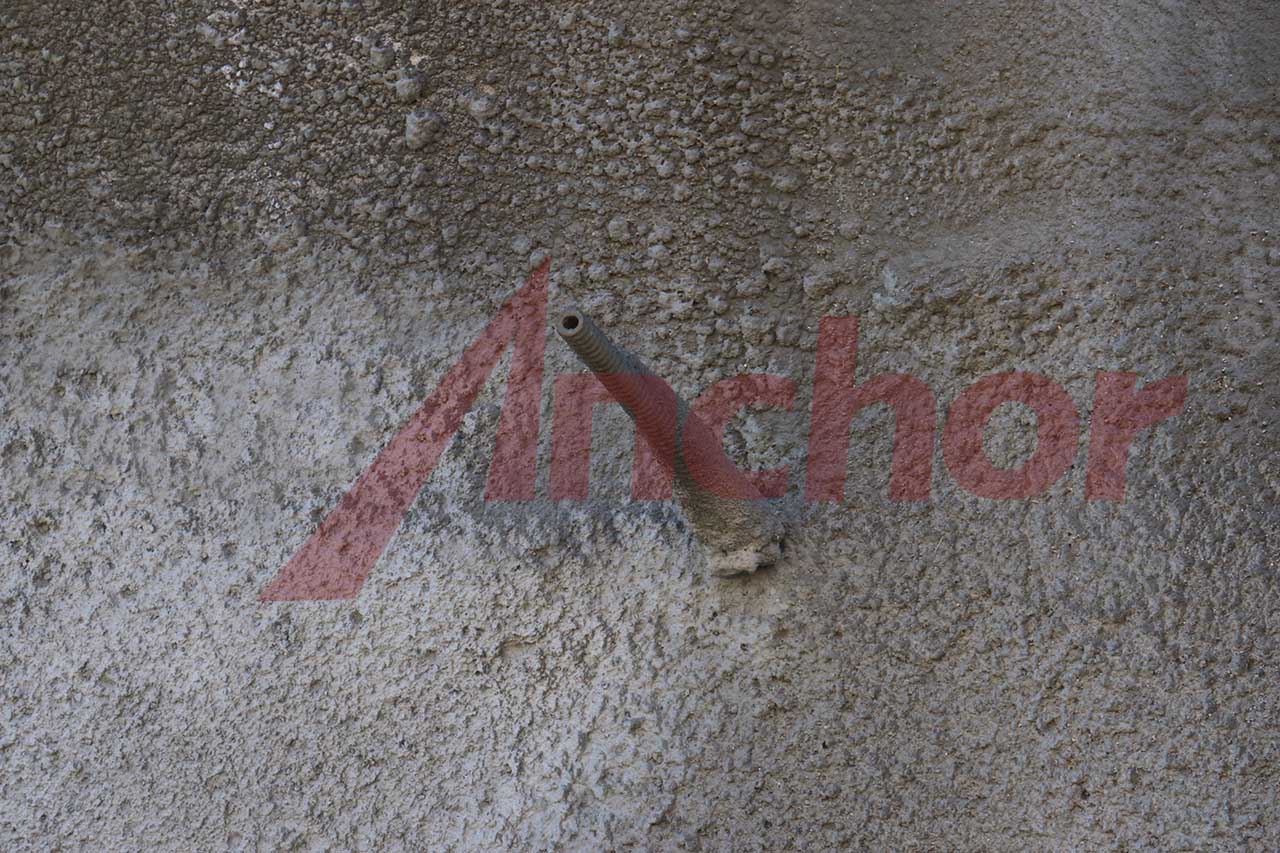
The construction site, depicted in the image above, showcases the installation of SupAnchor's self drilling anchor bolts in a slope area prone to erosion. The hollow bar anchor design allows for simultaneous drilling and grouting, which is crucial in loose soil where traditional methods might fail. Key product parameters have been tailored to meet the site-specific demands, addressing issues such as load-bearing capacity and corrosion resistance.
| Parameter | Value | Description |
|---|---|---|
| Tensile Strength | 650 kN | Ensures high load capacity for slope stabilization. |
| Diameter | 32 mm | Optimal for drilling in mixed geology. |
| Length | Up to 15 m | Allows deep anchorage in unstable layers. |
| Corrosion Protection | Hot-dip galvanized | Extends durability in harsh environments. |
| Application Type | Drill-and-grout bolt | Integrates drilling and grouting for efficiency. |
These specifications enable the self drilling anchor system to effectively reinforce the slope, preventing landslides and ensuring long-term stability. The use of a micropile hollow bar anchor system here demonstrates how SupAnchor's products are designed for precision in civil engineering projects.
The application of SupAnchor's ground stabilization anchor system aligns with global infrastructure trends, where urbanization and transportation development demand robust geotechnical solutions. In regions with similar challenges, such as mining areas or urban expansions, rock bolts for underground mining and self drilling anchors for retaining walls are becoming essential. This project underscores the importance of innovative geotechnical engineering in enhancing safety and reducing environmental impact.
SupAnchor embodies a professional, innovative, and collaborative approach, with ISO certifications validating its commitment to quality. The company's self drilling bolt for civil engineering applications has been deployed in numerous global projects, from Asia to the Americas, showcasing its expertise as a soil nail system manufacturer and ground anchor bolt factory. By integrating research and development with practical on-site needs, SupAnchor continues to lead in the anchor bolt system for geotechnical engineering, fostering partnerships that drive industry progress.
In conclusion, SupAnchor's geotechnical reinforcement system not only solves immediate construction challenges but also contributes to broader industry advancements. As infrastructure projects become more complex, the reliance on reliable self drilling anchor systems will only grow, positioning SupAnchor at the forefront of this evolution.
SupAnchor's self drilling anchor system played a pivotal role in stabilizing steep slopes during a major highway expansion in the Alps, demonstrating advanced geotechnical reinforcement capabilities.
SupAnchor introduces the SupFRP GFRP Tie Rod, a corrosion-resistant, non-removable formwork solution that cuts costs and improves safety. Learn about its technical advantages and global impact.
SupAnchor's self drilling anchor system plays a critical role in a challenging European infrastructure project, providing efficient ground stabilization and geotechnical reinforcement in difficult soil conditions.
SupAnchor introduces the SupHulk PM series friction rock bolts, offering immediate load-bearing capacity and full-column friction support for mining and tunneling applications. The system features high yield loads and adapts to varied rock conditions.
SupAnchor's self drilling anchor system was deployed in a European alpine tunnel project, solving complex geological challenges with a single-pass drill-and-grout solution, highlighting the strength of hollow bar anchors.