
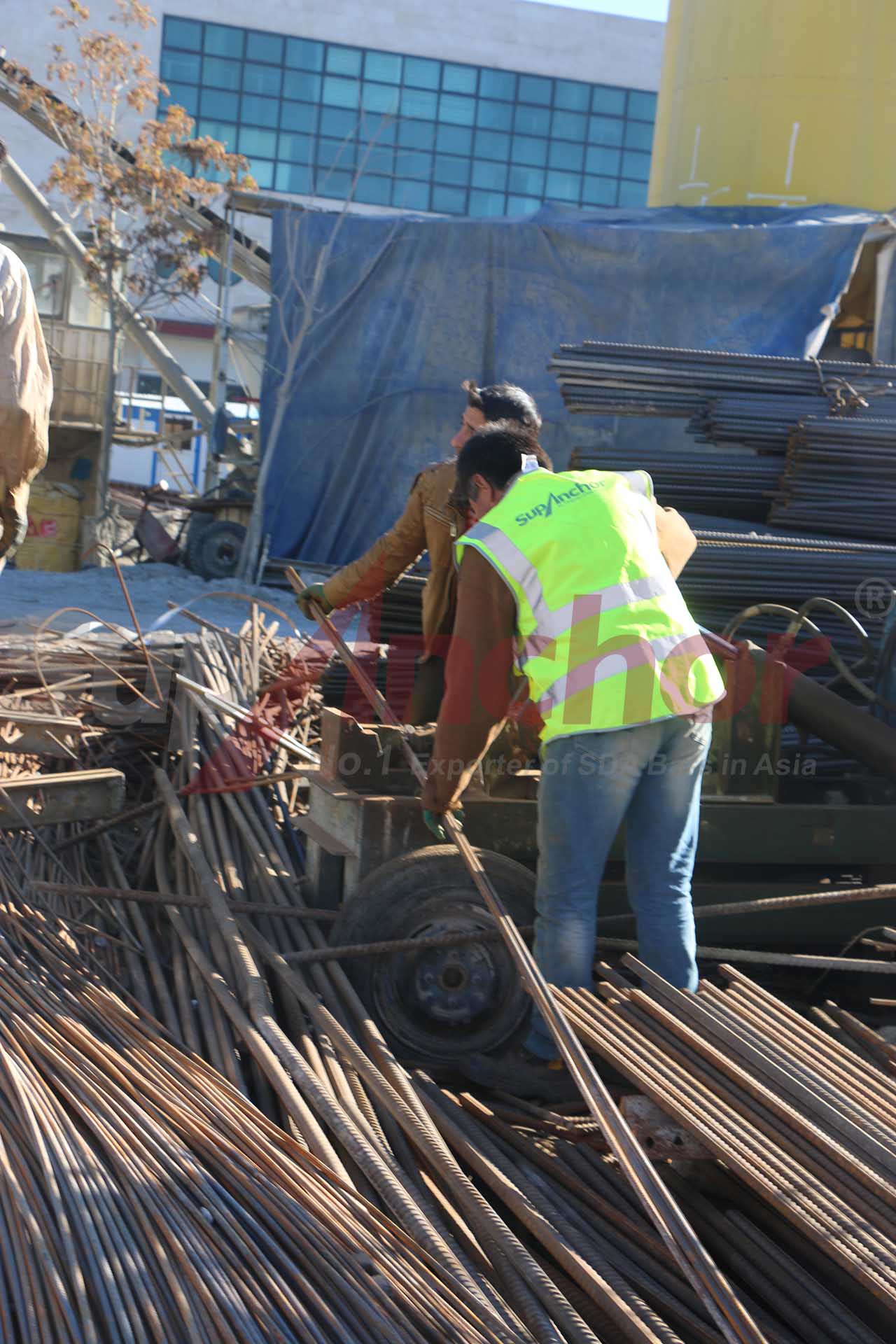
A major deep excavation for a new urban transit hub in a coastal city recently faced severe geotechnical hurdles. The site featured thick layers of soft, water-saturated clay and silty sand, with a high groundwater table. Traditional drilled-and-cased anchoring methods proved slow and risky, with frequent hole collapse and limited load-bearing capacity for the planned 30-meter-deep station box. To overcome these conditions, the project team turned to the SupUTS self-drilling hollow bar anchor from SupAnchor, a leading Asian manufacturer of self drilling anchor systems. The solution not only accelerated the construction schedule but also provided the high tensile strength needed for permanent support.
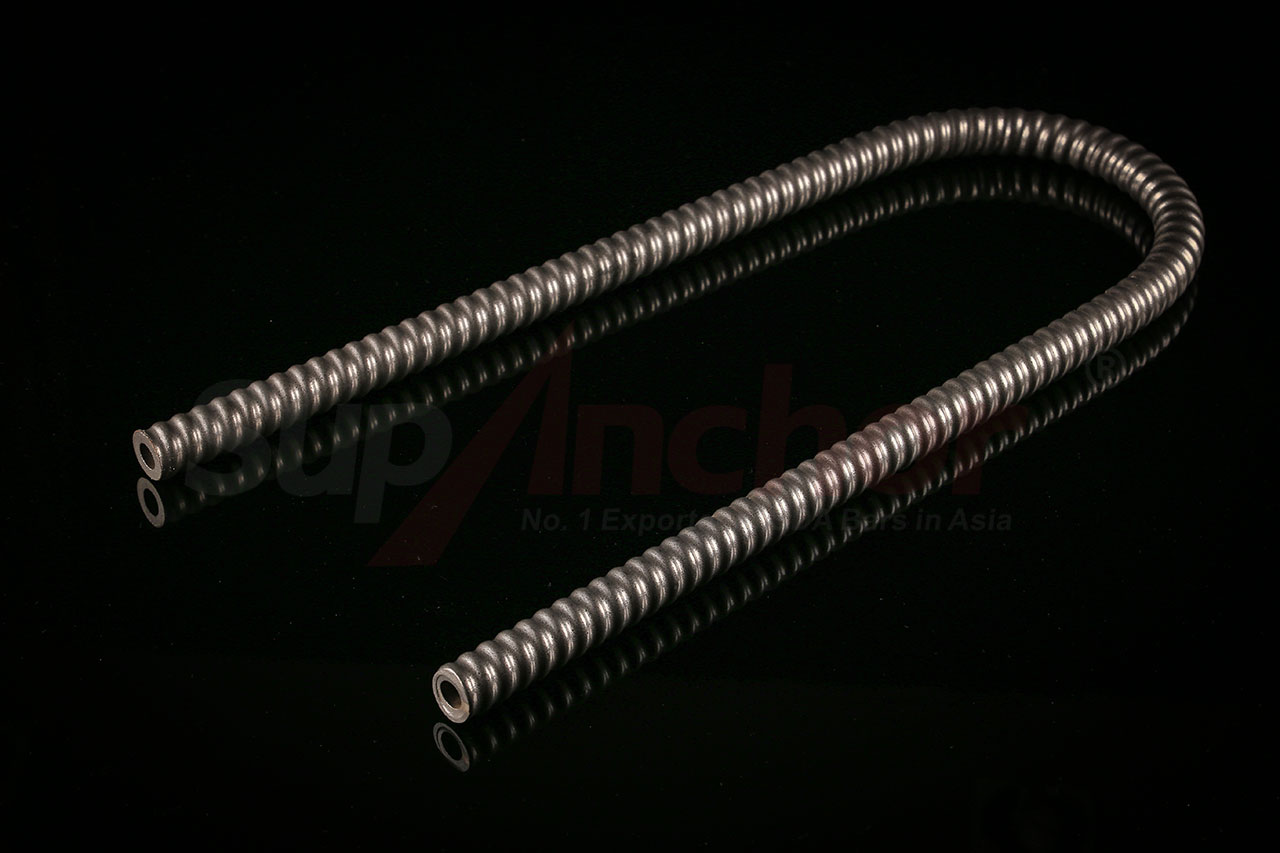
The SupUTS series represents a significant advancement in geotechnical reinforcement systems. Its name derives from "Ultimate Tensile Strength," reflecting the anchor's ability to carry loads far exceeding conventional self drilling anchor bolts. By integrating three functions—drill rod, grout injection tube, and permanent reinforcement bar—into a single high-strength steel hollow bar, the system eliminates the need for separate casing and speeds up installation in unstable ground.
The self drilling anchor system works by using a threaded hollow steel bar with a sacrificial drill bit. As the bar is rotated into the ground, it simultaneously drills the hole. Once the target depth is reached, cement grout is pumped through the hollow core, filling the annular space and permeating the surrounding soil. After curing, the bar acts as a tension member, transferring loads deep into competent strata. The ribbed exterior of the bar enhances bond with the grout, while a 45° rib angle minimizes splitting forces on the ground, keeping crack widths below 0.1 mm even at maximum load.
The SupUTS series is engineered for extreme load demands. Below are key specifications for the three primary models, based on SupAnchor's published data:
| Model | Outer Diameter (mm) | Ultimate Load (kN) | Yield Load (kN) | Cross Section Area (mm²)* | Weight (kg/m)* |
|---|---|---|---|---|---|
| SSTR32/360 | 32 | ≥360 | ≥280 | 450–500 | 3.5–4.0 |
| SSTR38/660 | 38 | ≥660 | ≥520 | 800–850 | 6.3–6.8 |
| SSTR51/930 | 51 | ≥930 | ≥730 | 1150–1200 | 9.0–9.5 |
*Estimated values based on design logic and typical material density; exact values available from manufacturer.
All models use high-strength steel compliant with EN10083-3/EN10025 standards and offer elongation A100mm ≥6%, ensuring ductile behavior under load. Standard lengths range from 2 to 8 meters, and accessories such as nuts, couplers, and plates are fully compatible thanks to standardized threading—SW46/SW55/SW65 nuts and D42/D50/D60 couplers for the respective diameters.
Corrosion protection is critical for long-term performance. The SupUTS series provides three tiers of defense: hot-dip galvanizing for moderate environments, SupCoating (HDG plus an epoxy layer) for chemically aggressive or marine conditions, and full stainless steel construction for the most severe exposures. This flexibility allows engineers to match the anchor's durability to the project's design life and soil chemistry.
In the transit hub project, the SSTR38/660 model was selected for the majority of anchors, with SSTR51/930s used at heavily loaded corners. The integrated drilling and grouting process eliminated casing loss and allowed installation rates of 12–15 anchors per shift—double that of conventional methods. Post-installation pull-out tests confirmed capacities exceeding design requirements, with minimal creep.
The SupUTS drill-and-grout bolt series addresses a growing need for reliable, high-capacity ground reinforcement in challenging infrastructure projects. As urbanization pushes construction into poor soils and deeper excavations, traditional soil nailing or ground anchoring often reaches its limits. The SupUTS hollow bar anchor bridges this gap with a solution that is both faster to install and stronger than competing systems.
Typical applications include:
Beyond load capacity, the system's drill-and-grout integration reduces the risk of borehole collapse, minimizes spoil generation, and lowers the carbon footprint by eliminating temporary casing. For contractors, this translates to shorter project timelines and improved safety.
SupAnchor has earned its reputation as Asia's No.1 manufacturer and exporter of self drilling anchor systems through consistent investment in R&D and a portfolio of international certifications including ISO 9001, ISO 14001, and CE marking. The company's products are used in over 60 countries, supported by a network of engineering partners who provide on-site technical assistance.
The SupUTS series emerged from a direct request by European and North American clients needing a robust ground anchor bolt factory solution for extreme load cases. By combining its proven hollow bar anchor technology with higher-grade steels and improved thread geometry, SupAnchor delivered a geotechnical reinforcement system that meets the most stringent project specifications without sacrificing installation speed.
As infrastructure demands escalate worldwide, the SupUTS self-drilling anchor stands ready to support the next generation of resilient, safe, and cost-effective geotechnical construction.
A major highway expansion overcomes unstable geology using SupAnchor's self drilling anchor bolts, featuring hollow bar anchor technology and a drill-and-grout bolt for efficient slope stabilization.
SupAnchor introduces the SupFRP® GFRP Tie Rod, a corrosion-resistant, high-strength alternative to steel tie rods for formwork. With permanent application and easy handling, it reduces costs and enhances project efficiency.
A major infrastructure project overcame difficult geological conditions using SupAnchor's self drilling anchor system. The hollow bar anchors provided reliable ground reinforcement, ensuring long-term stability and safety.
SupAnchor's SupUTS self-drilling hollow anchor offers ultimate loads up to 930 kN, integrating drilling, grouting, and reinforcement for high-load geotechnical projects.
Industry report on SupAnchor's self drilling anchor system used in a challenging slope stabilization and foundation support project, highlighting technical parameters and global geotechnical trends.