
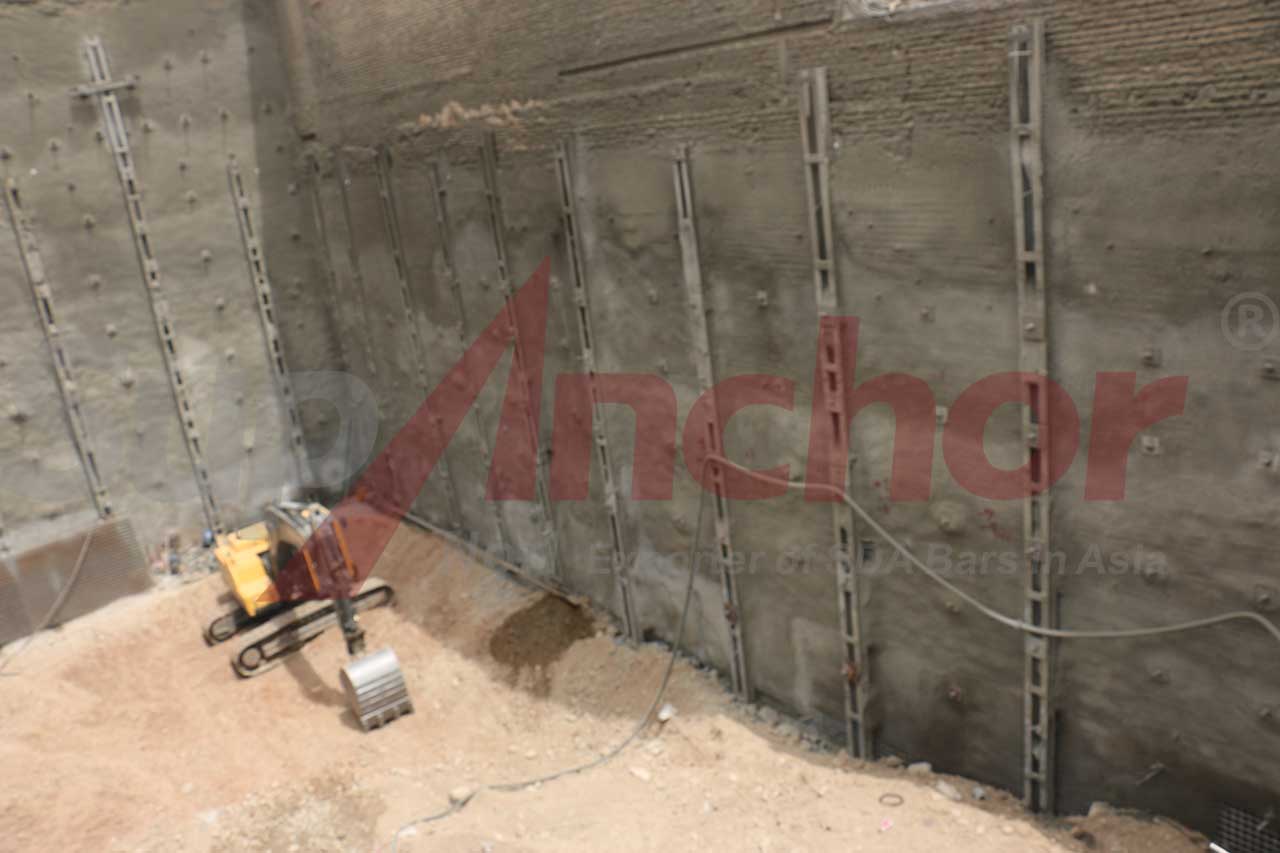
In a major infrastructure initiative aimed at improving transportation resilience, a self drilling anchor system has been deployed to stabilize a critical slope along a newly constructed highway section in the mountainous regions of Europe. The project, which spans over 12 kilometers, encountered highly fractured rock and loose overburden that posed significant risks to both construction crews and long-term structural integrity. To address these geotechnical challenges, the project's engineering team selected SupAnchor's advanced self drilling anchor bolt as the primary geotechnical reinforcement system for slope stabilization and retaining wall support.
The construction site, as captured in the accompanying photograph, shows workers operating a hydraulic drilling rig to install a hollow bar anchor into the weathered rock face. Unlike conventional anchoring methods that require pre-drilling and separate grouting, the drill-and-grout bolt integrates drilling, flushing, and grouting in a single continuous operation. This approach dramatically reduces installation time and enhances bond strength, especially in collapsing ground conditions where boreholes tend to cave in.
Key project facts at a glance:
The geological profile at the site is characterized by alternating layers of sandstone, shale, and heavily fractured limestone, with groundwater infiltration further complicating drilling operations. Traditional ground anchors often fail in such conditions due to hole collapse and poor grout encapsulation. In several preliminary test sections, conventional cased drilling methods resulted in excessive overbreak and loss of grout, leading to schedule delays and increased material costs. To overcome these issues, the project required a robust ground stabilization anchor system capable of achieving immediate load transfer while minimizing disturbance to the surrounding strata.
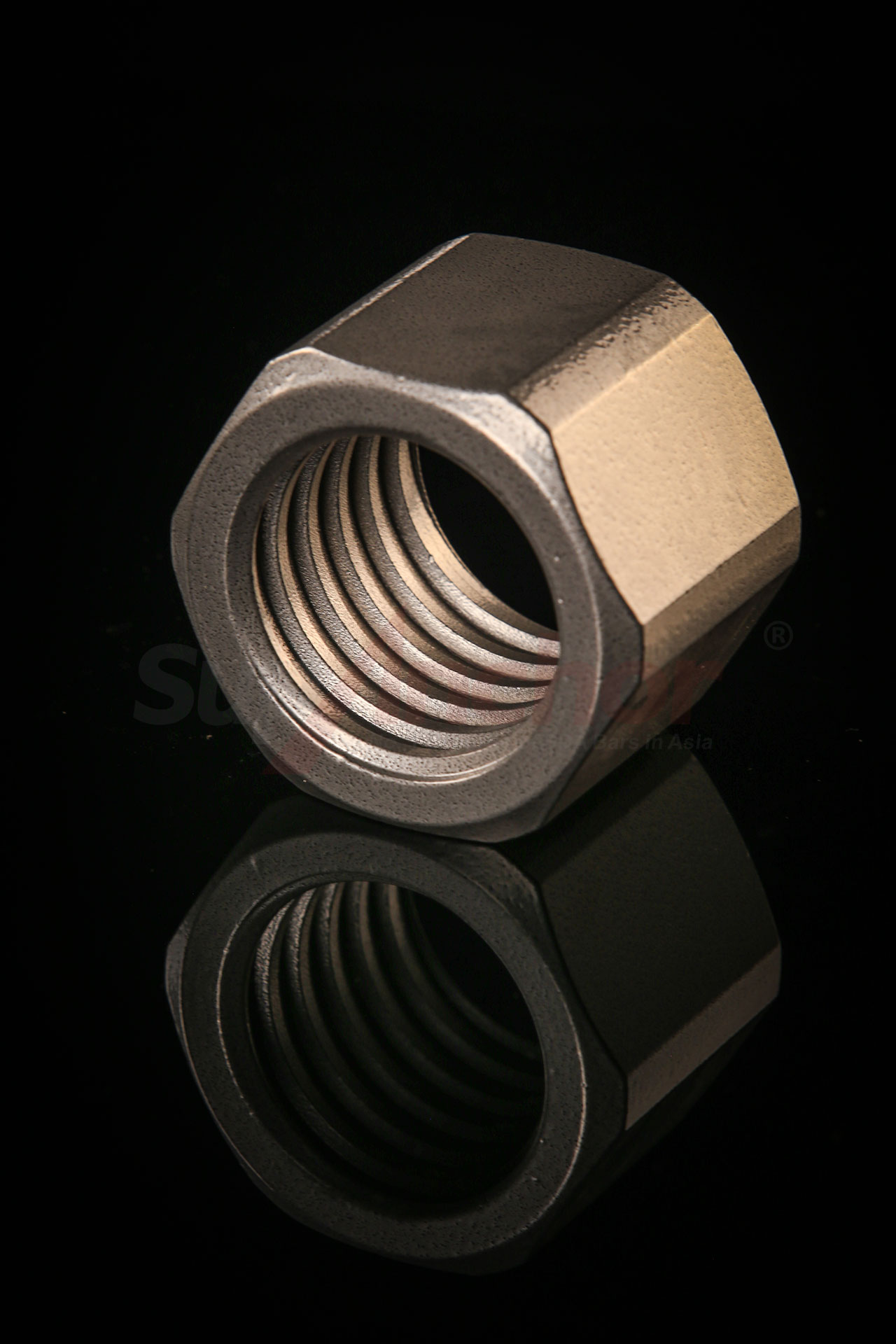
SupAnchor's self drilling anchor for retaining walls proved ideal for this application. The system consists of a continuously threaded hollow bar that serves simultaneously as drill rod, casing, and reinforcement element. A disposable drill bit attached to the bar tip allows drilling through overburden and rock without a casing, while high-pressure grout is injected through the hollow core during drilling or after reaching design depth. This method ensures a perfect grout-to-ground bond and eliminates the need for temporary casing, thereby reducing material waste and labor costs. The installation crew reported that the hollow bar anchor system cut drilling time by nearly 40% compared to the conventional method, with no hole collapses recorded throughout the project.
The project utilized over 4,500 individual anchors with varying lengths to accommodate the irregular slope geometry. Each anchor was designed to transfer tensile loads from the retaining structure to competent bedrock, effectively stabilizing the cut slope and preventing potential landslides. As a leading soil nail system manufacturer, SupAnchor supplied fully threaded hollow bar anchors that met the stringent corrosion protection requirements specified for the project, including hot-dip galvanizing to ISO 1461 standards. The anchors were delivered in modular sections with precision-machined threads, allowing for rapid coupling on site and reducing installation downtime.
The self drilling anchor system employed in this project featured the following key specifications, tailored to the demanding site conditions:
| Parameter | Specification |
|---|---|
| Bar Diameter | 32 mm |
| Tensile Strength (min.) | 660 MPa |
| Yield Strength (min.) | 500 MPa |
| Standard Length per Section | 3.0 m, 4.0 m, 6.0 m (coupled to achieve design length) |
| Corrosion Protection | Hot-dip galvanized (ISO 1461), with optional epoxy coating |
The 32 mm diameter hollow bar anchor was chosen for its balance between load capacity and drillability in fractured rock. With a minimum tensile strength of 660 MPa, each anchor could safely carry design loads exceeding 300 kN, providing ample safety margin for the retaining wall's long-term performance. The use of modular sections coupled with threaded sleeves allowed for installation lengths up to 24 meters, accommodating varying overburden depths across the slope. The hot-dip galvanized coating offered extended service life, particularly important in the humid, corrosive environment prevalent in the region.
The drill-and-grout installation method involved injecting a neat cement grout with a water-cement ratio of 0.40–0.45 at pressures up to 20 bar. This high-pressure grouting not only filled the annular space around the bar but also permeated the surrounding rock fractures, significantly improving the overall ground strength. Post-installation pull-out tests confirmed that all anchors exceeded the required ultimate load capacity, validating the effectiveness of the self drilling bolt for civil engineering applications. The geotechnical engineer on record noted that the uniform grout column achieved with this method was a key factor in meeting the stringent performance criteria.
The successful deployment of this ground stabilization anchor system highlights a growing trend in global infrastructure: the need for rapid, reliable, and cost-effective geotechnical solutions in challenging terrains. As urbanization expands and transportation networks push into geologically complex areas, the demand for innovative anchor bolt system for geotechnical engineering continues to rise. Projects ranging from mountain highway expansions to underground metro stations increasingly rely on self drilling anchor systems to ensure safety and schedule compliance.
From a supply chain perspective, working with a reputable ground anchor bolt factory like SupAnchor provides project owners and contractors with confidence in product consistency and performance. As an established SDA bolt factory direct supply, SupAnchor maintains rigorous quality control from raw material sourcing to final product testing, ensuring that every hollow bar anchor delivered to site meets the exacting standards of international codes and project specifications. This reliability is critical for large-scale projects where any product deficiency can lead to costly delays and safety hazards.
The use of micropile hollow bar anchor technology in this project also demonstrates the versatility of the system. Beyond slope stabilization, the same hollow bar anchors can be employed as micropiles for foundation underpinning, as rock bolts for underground mining, or as soil nails for temporary excavation support. This multi-functionality reduces inventory complexity and training requirements, offering a compelling value proposition for contractors working across multiple sectors. Industry analysts predict that the global geotechnical anchoring market will grow at a compound annual growth rate of 5.2% over the next five years, driven by increased investment in transportation and energy infrastructure.
SupAnchor has established itself as a trusted partner in the global geotechnical industry, driven by a philosophy of "Professional, Innovative, Collaborative." The company's self drilling anchor systems are manufactured in ISO 9001-certified facilities, ensuring consistent quality and traceability. With decades of experience, SupAnchor has contributed to landmark projects across more than 40 countries, including cross-sea bridges, high-speed rail tunnels, and deep foundation pits in urban centers.
Innovation is at the core of SupAnchor's product development. The self drilling anchor bolt line has evolved to include high-strength steel grades up to 1,000 MPa, corrosion-resistant duplex coatings, and specialized drill bits for extreme ground conditions. Collaborative engineering support is provided from project conception to completion, with SupAnchor's technical team offering design assistance, installation training, and on-site troubleshooting. This holistic approach ensures that every geotechnical reinforcement system performs optimally, even in the most demanding environments.
Key advantages of SupAnchor's approach:
For the current slope stabilization project, SupAnchor delivered all 4,500 anchors ahead of schedule, with zero non-conformities reported during inspection. The project's chief geotechnical engineer praised the consistency of the hollow bar anchor thread profiles, which facilitated rapid coupling and reduced installation time by nearly 20% compared to conventional methods. Such field-proven reliability underscores why SupAnchor is regarded as a premier soil nail system manufacturer and ground anchor bolt factory for critical infrastructure.
As the global construction industry continues to prioritize resilience and sustainability, the role of advanced anchoring technologies will only grow. The successful application of SupAnchor's self drilling anchor for retaining walls in this challenging project exemplifies how innovative engineering can overcome natural obstacles and deliver lasting infrastructure. With a steadfast commitment to professionalism, innovation, and collaboration, SupAnchor remains at the forefront of geotechnical advancement, providing anchor bolt systems for geotechnical engineering that set new benchmarks in safety and performance.
A European highway project overcame fractured rock and groundwater challenges using SupAnchor's self drilling anchor system. The hollow bar anchors provided rapid installation and high load capacity, showcasing innovation in geotechnical reinforcement.
SupAnchor introduces the SupFRP® GFRP Friction Bolt, a world-first corrosion-resistant, lightweight, and non-conductive ground support solution for mining and tunneling.
A major mountain highway expansion in the European Alps utilized SupAnchor's self drilling anchor system to overcome fractured rock and loose soil, ensuring long-term slope stability and construction safety.
SupAnchor's Grade 75 self-drilling hollow anchor bars deliver high bond strength, ASTM A615 compliance, and full compatibility with R/T thread systems for demanding geotechnical projects.
A self drilling anchor system from SupAnchor has been deployed in a challenging mountain infrastructure project, overcoming fractured rock and unstable slopes while reducing installation time and improving long-term ground stabilization.