
In the face of aging infrastructure and increasingly aggressive environmental conditions, engineers are seeking reliable alternatives to traditional steel reinforcement. SupAnchor, a globally recognized manufacturer of self drilling anchor systems and geotechnical reinforcement solutions, has introduced its SupFRP® GFRP Reinforcement Rebar—a high-performance fiberglass-reinforced polymer product engineered for durable concrete structures in challenging settings. The new rebar line leverages advanced corrosion-resistant resin and fiberglass materials to deliver long-term structural integrity across a wide range of construction applications.
From coastal sea walls to tunnel soft-eye excavations, the demand for non-corrosive, high-strength reinforcement is growing rapidly. SupAnchor's GFRP rebar addresses these needs with a product that is not only strong and lightweight but also fully non-conductive and non-magnetic—features that are particularly valuable in sensitive environments such as hospitals, laboratories, and transit systems. The rebar can be factory-produced into various shapes, including straight bars, bent bars, and custom geometries, making it adaptable to diverse project requirements.
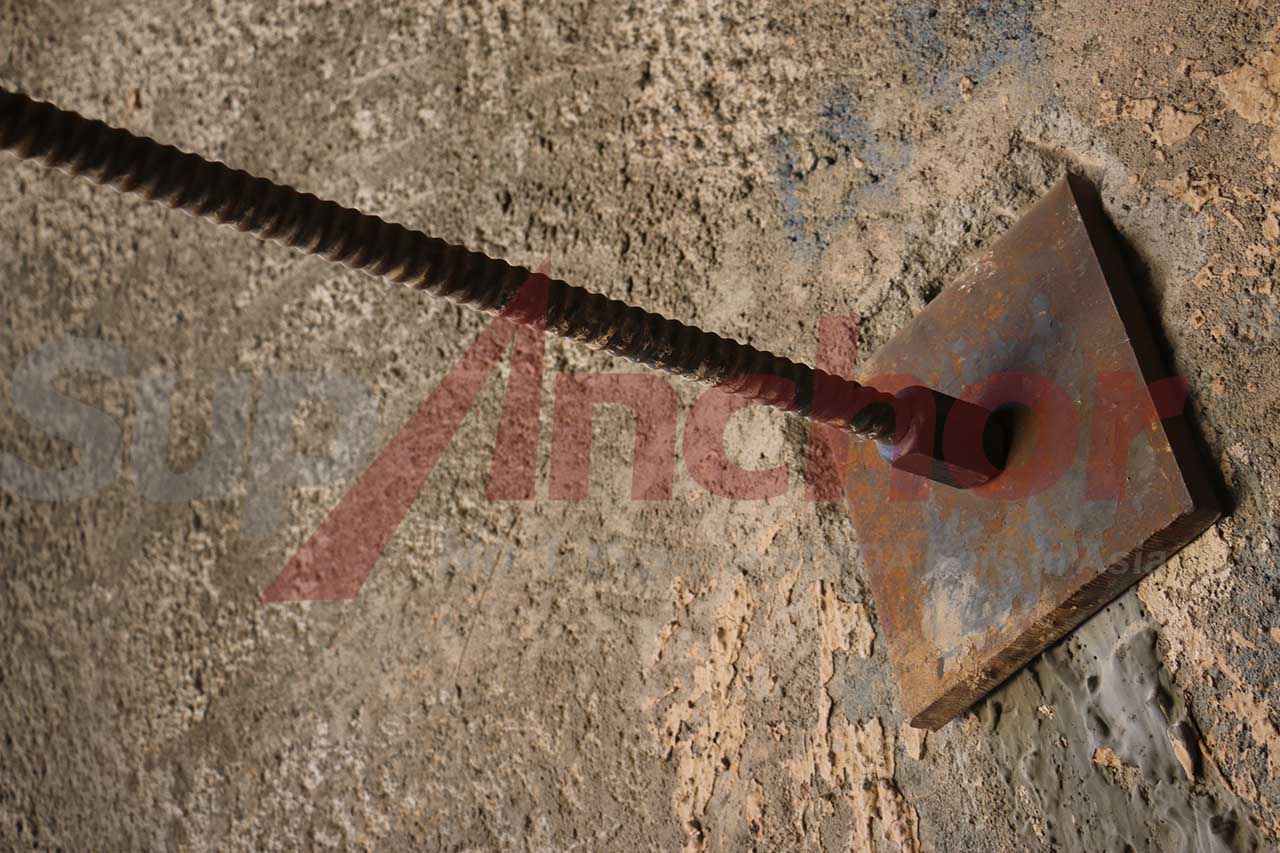
The SupFRP® GFRP Reinforcement Rebar is manufactured using high-quality corrosion-resistant resin and fiberglass materials, resulting in a product that offers excellent bonding with concrete and high tensile strength. The rebar's waved thread structure enhances mechanical interlock, ensuring optimal load transfer between the rebar and the surrounding concrete. This design also facilitates easy cutting and handling on site, reducing labor costs and installation time.
Compared to conventional steel rebar, GFRP offers several distinct advantages. It is approximately one-quarter the weight of steel, which simplifies transportation and placement, especially in remote or congested project sites. The material is inherently immune to chloride-induced corrosion and chemical attack, making it ideal for structures exposed to de-icing salts, seawater, or aggressive industrial environments. Moreover, its non-conductive nature eliminates the risk of stray current corrosion and enhances safety in electrical environments, while its non-magnetic properties are essential for applications near MRI machines or sensitive electronic equipment.
Key technical parameters of the GFRP rebar include a tensile strength of up to 1000 MPa for smaller diameters and a tensile E-modulus of 50 GPa across the entire range. The ultimate strain is 2%, providing sufficient ductility for structural applications while maintaining high stiffness. The rebar is available in diameters from 8 mm to 40 mm, with guaranteed tensile loads ranging from 50.3 kN to 1006 kN, making it suitable for both light-duty and heavy-duty reinforcement tasks.
The following table summarizes typical specifications for selected rebar sizes:
| Rebar Size | Outside Diameter (mm)* | Guaranteed Tensile Load (kN) | Tensile Strength (MPa) | Weight (kg/m) |
|---|---|---|---|---|
| ReB-8 | 9 | 50.3 | 1000 | 0.125 |
| ReB-12 | 14 | 113 | 1000 | 0.28 |
| ReB-20 | 23 | 314 | 1000 | 0.79 |
| ReB-32 | 36 | 720 | 900 | 2.00 |
| ReB-40 | 45 | 1006 | 800 | 3.10 |
*Including waved thread structure
These parameters demonstrate the rebar's ability to replace traditional steel in many applications, particularly where corrosion is a major concern. For instance, in marine environments, steel reinforcement can deteriorate rapidly due to chloride ingress, leading to costly repairs. GFRP rebar eliminates this problem entirely, offering a maintenance-free service life of over 100 years.
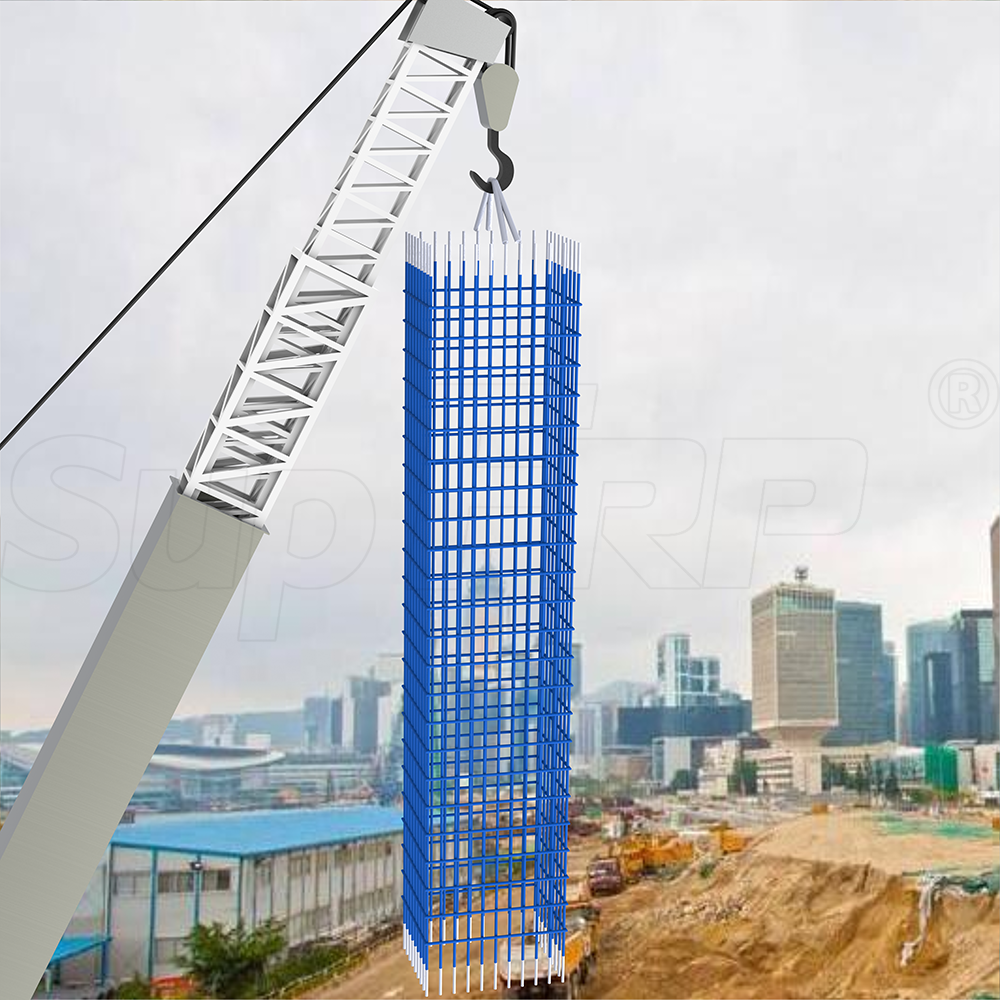
The versatility of SupAnchor's GFRP rebar makes it an ideal choice for a wide range of projects. It is particularly well-suited for soft-eye excavation, where temporary openings in diaphragm walls require reinforcement that can be easily cut by tunnel boring machines. The rebar's non-magnetic properties also make it invaluable in infrastructure near sensitive equipment, such as MRI rooms in hospitals or laboratories.
Other key applications include:
In geotechnical engineering, GFRP rebar can be used as soil nails or rock bolts, complementing SupAnchor's existing self drilling anchor system and hollow bar anchor product lines. As a leading soil nail system manufacturer and ground anchor bolt factory, SupAnchor offers a complete geotechnical reinforcement system that includes self drilling anchor bolts, drill-and-grout bolts, and now GFRP rebars. This integrated approach allows contractors to source all their reinforcement needs from a single, reliable supplier.
The global push for sustainable and resilient infrastructure is driving demand for composite reinforcement materials. According to industry reports, the fiber-reinforced polymer rebar market is expected to grow at a compound annual growth rate of over 10% in the coming years. SupAnchor's entry into this market with a high-quality, certified product positions the company to capture significant share, especially in regions with stringent corrosion protection requirements.
Moreover, the lightweight nature of GFRP rebar reduces transportation costs and carbon emissions, aligning with green building standards such as LEED and BREEAM. Its long service life and low maintenance requirements contribute to lower life-cycle costs, making it an economically attractive option for public infrastructure projects.
SupAnchor has built a reputation for innovation and quality in the geotechnical and construction industries. With ISO 9001 and ISO 14001 certifications, the company adheres to rigorous manufacturing standards, ensuring consistent product performance and environmental responsibility. Its R&D team continuously explores new materials and designs to address evolving engineering challenges, such as those posed by climate change and urbanization.
Over the years, SupAnchor has supplied self drilling anchor systems and other reinforcement solutions to major infrastructure projects around the world, including high-speed rail lines, deep excavations, and tunneling projects. The introduction of GFRP rebar is a natural extension of the company's commitment to providing professional, innovative, and collaborative solutions. By working closely with engineers and contractors, SupAnchor ensures that its products not only meet but exceed project requirements.
In addition to product excellence, SupAnchor places a strong emphasis on customer support and technical service. From initial design consultation to on-site training, the company's experts collaborate with project teams to optimize reinforcement strategies, reduce installation time, and ensure long-term performance. This holistic approach has earned SupAnchor the trust of leading construction firms and government agencies worldwide.
For more information about SupAnchor's GFRP Reinforcement Rebar or other geotechnical reinforcement systems, please contact our technical team or visit our website.
SupAnchor's self drilling anchor system delivers efficient ground stabilization in a large-scale infrastructure project, offering technical advantages in difficult geological conditions.
SupAnchor unveils SupFRP® GFRP reinforcement rebar offering high tensile strength, corrosion resistance, and versatility for soft-eye excavation, sea walls, and precast elements. Learn about specs and applications.
SupAnchor's self drilling anchor system has been successfully deployed on a highway slope stabilization project in Europe, overcoming fractured rock and loose soil conditions with high-strength hollow bar anchors and drill-and-grout technology.
SupAnchor launches SupFRP® GFRP friction bolt: lightweight, corrosion-resistant, non-conductive, high tensile strength, easy ore separation.
European infrastructure project overcomes difficult geology with SupAnchor self drilling anchor system. Technical specs, industry value, and brand insight.