
In a landmark infrastructure project currently underway in the Swiss Alps, engineers are leveraging an advanced self drilling anchor system to secure a steep mountain slope along a new high-speed railway corridor. The Geotechnical Division of Alpine Transit AG, the project’s lead contractor, confirmed that the site’s complex geology necessitated a departure from traditional anchoring methods. With highly fractured gneiss and schist layers, combined with substantial groundwater infiltration, conventional drill-and-case techniques proved unfeasible. Instead, the team turned to SupAnchor’s innovative hollow bar anchoring technology, which combines drilling, grouting, and reinforcement into a single, efficient operation.
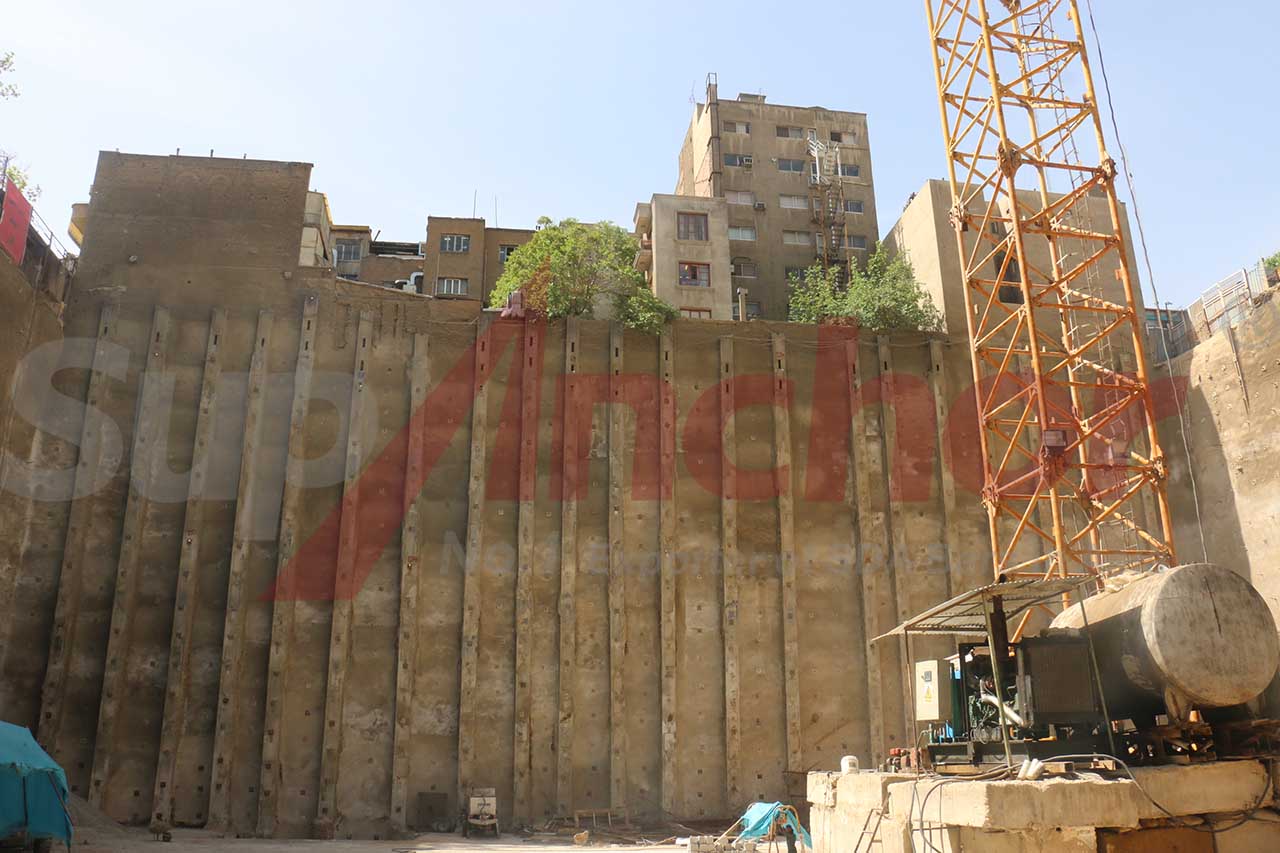
The project, part of the broader European Union Trans-Alpine Rail Expansion, involves stabilizing a 600-meter-long slope at an inclination of up to 65 degrees. The goal is to prevent rockfalls and landslides that could disrupt both construction activities and the future operation of trains traveling at speeds exceeding 250 km/h. Over 2,200 individual anchors will be installed, with depths ranging from 8 to 15 meters to reach competent bedrock. This large-scale deployment marks one of the most significant applications of self drilling anchor bolt technology in Europe this decade, drawing attention from geotechnical engineers worldwide.
The Swiss Alps are renowned for their dramatic topography, but beneath the scenic surface lie formidable geotechnical hazards. The project site, located at an elevation of 2,100 meters, is characterized by heavily jointed rock masses, shear zones, and an active groundwater regime. Initial borehole investigations revealed rock quality designation (RQD) values frequently below 25%, indicating extremely poor rock mass quality. Seasonal freeze-thaw cycles further weaken the slope, exacerbating the risk of progressive failure. Traditional anchored mesh or shotcrete systems were ruled out due to the difficulty of maintaining borehole stability during drilling; collapsing holes would prevent the insertion of rebar and grout tubes. The project team needed a geotechnical reinforcement system that could self-advance through unstable ground while providing immediate skin friction for early load transfer.
“The geology here is unforgiving,” stated Dr. Lukas Meier, senior geotechnical consultant on the project. “We needed a solution that eliminates the risk of hole collapse and delivers a reliable bond in weathered rock. The hollow bar anchor concept was exactly what we required.”
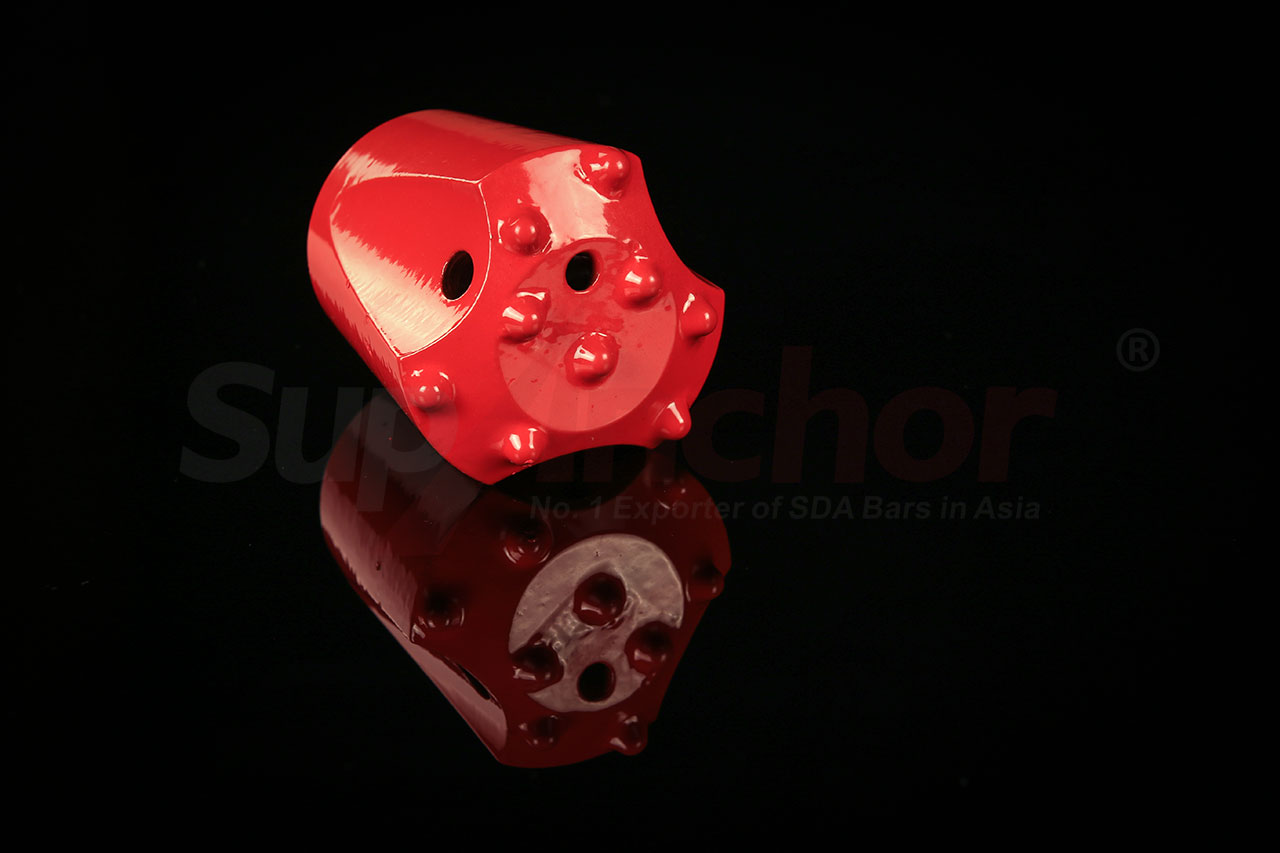
SupAnchor’s self drilling anchor (SDA) lineup is a drill-and-grout bolt that integrates three essential functions: drilling, grouting, and permanent reinforcement. The system consists of a fully threaded hollow bar manufactured from high-strength steel, a sacrificial drill bit, and a coupling system that allows bars to be lengthened to any required depth. During installation, a rotary-percussive drill rig applies torque and percussive energy to the bar while simultaneously pumping cement-based grout through its hollow core. The grout exits through the drill bit, filling any surrounding voids and bonding the bar to the ground. This eliminates the need for a temporary casing and allows installation in virtually all soil and rock types, including water-saturated sands and gravels.
The process is continuous: as the bar advances, grout flows back along the annulus, creating a strong mechanical interlock with the surrounding medium. This leads to high pull-out capacities even in challenging conditions. Moreover, the system can be installed faster than traditional rock bolts, reducing the overall construction schedule and cost. The ground stabilization anchor system provided by SupAnchor was customized for this project, with a two-stage grouting sequence to enhance the bond in the fractured rock zones.
At the construction site (see image), two blue drill rigs are at work on a rocky platform, with operators maneuvering the hollow bars into pre-marked locations. The bars are typically supplied in 3-meter segments, which are coupled as drilling progresses. The foreground shows a worker inspecting a set of anchors, which will soon be tested for load-bearing capacity. The entire operation is conducted under strict safety protocols, given the steep terrain and overhead hazards.
A key advantage of the self drilling anchor bolt is its adaptability. The following table summarizes the main technical parameters of the anchors used in this project:
| Parameter | Specification |
|---|---|
| Anchor Type | R32N hollow bar, SDA series |
| Bar Outer Diameter | 32 mm (nominal) |
| Inner Diameter (grout channel) | 18 mm |
| Ultimate Tensile Strength | 500 kN (Grade 75 steel) |
| Yield Strength | 430 kN |
| Elongation at Max Load | ≥ 8% |
| Anchor Length (installed) | 8 – 15 m (based on design) |
| Corrosion Protection | Hot-dip galvanized (min 85µm) plus sacrificial epoxy coating at anchor head; full length grout cover ≥ 10 mm |
| Grout Type | CEM I 42.5 R with w/c ratio 0.4, admixtures for early strength and anti-washout |
| Design Bond Stress (in rock) | 1.5 MPa (verifiable via pull-out tests) |
| Working Load Capacity | 200 kN (permanent anchor) |
The selection of these parameters directly addressed the site’s demands. The high tensile strength ensures the anchors can resist the substantial shear forces exerted by the approaching railway cuttings. The 32 mm diameter with an 18 mm central bore provided a balance between structural rigidity and grout flow rate; larger diameters were considered but rejected due to weight and handling constraints at the remote site. The corrosion protection scheme is particularly aggressive, given the high-altitude environment with acidic precipitation and freeze-thaw cycles that could accelerate metal degradation. By hot-dip galvanizing the entire bar and applying a secondary epoxy coating at the head, plus ensuring a minimum 10 mm grout cover, the design life extends beyond 100 years. Pull-out tests conducted on-site confirmed that the bond stress values met the design requirements, with all tested anchors achieving greater than 150% of the design working load without signs of creep.
Workers on the slope have reported that the self drilling bolt for civil engineering outperforms conventional methods in these conditions. “We’ve tried casing systems here before, and they jammed constantly. With these hollow bars, we just drill and grout in one pass. It’s faster and safer,” noted a crew supervisor. The integrated approach also minimizes grout wastage, as the precise injection through the bit ensures complete filling without overspill, which is critical in environmentally sensitive alpine zones.
The Swiss Alpine project exemplifies a broader shift in geotechnical construction toward more efficient, reliable anchoring technologies. As global infrastructure investment rises—driven by urbanization, renewable energy (e.g., wind farm foundations), and transportation corridors—the demand for advanced ground stabilization anchor systems is climbing. self drilling anchor for retaining walls is becoming standard in deep excavation projects, while the micropile hollow bar anchor is increasingly specified for underpinning existing structures in dense urban settings where vibration and noise must be minimized. According to a 2023 market analysis by Geotechnical Engineering International, the worldwide market for self drilling anchor products is expected to grow at a CAGR of 6.8% through 2030, fueled by the need for resilient infrastructure in the face of climate change and extreme weather events.
In the mining sector, the rock bolt for underground mining has traditionally relied on expansion shell or fully-grouted rebar bolts, but the self drilling variant is gaining traction for its ability to provide immediate support in jointed rock masses. Similarly, the anchor bolt system for geotechnical engineering offered by manufacturers like SupAnchor is being integrated into design-build contracts where speed and performance are paramount. The European standard EN 14490 for soil nailing has been updated to accommodate hollow bar systems, reflecting their proven performance. Furthermore, the drill-and-grout bolt method aligns with the principles of mechanized construction, reducing manual handling and improving site safety—a key consideration in developed markets with stringent labor regulations.
Headquartered in an industrial hub with state-of-the-art manufacturing facilities, SupAnchor has emerged as a leading soil nail system manufacturer and ground anchor bolt factory, directly supplying SDA bolt factory direct supply products to contractors and distributors worldwide. The company’s portfolio includes a wide range of self drilling anchor systems for applications from temporary soil nails to permanent, corrosion-protected anchors for critical infrastructure. SupAnchor holds ISO 9001:2015 and ISO 14001 certifications, and its products comply with international standards such as ASTM A615, EN 10080, and BS 8081. Rigorous quality control—from raw steel to finished thread—ensures that every bar meets exacting mechanical properties, with full traceability.
Innovation is at the core of SupAnchor’s philosophy. The company’s research and development team has pioneered a new generation of hollow bars with optimized thread geometries that improve grout flow and reduce friction losses during installation. Their advanced anti-corrosion systems, including thermoplastic sleeves and engineered grouts, have been validated in marine environments and acidic soil conditions. Through close collaboration with design engineers and contractors, SupAnchor provides not only products but also comprehensive support—from preliminary design to on-site training. This “Professional, Innovative, Collaborative” ethos has earned the company a trusted reputation on projects spanning more than 30 countries, from the high-speed rail networks of Europe to the metro expansions in the Middle East and slope stabilization in South America.
Most recently, SupAnchor has invested in automated production lines that increase output while maintaining consistency, enabling them to meet the growing demand as a SDA bolt factory direct supply partner. Their logistics network ensures timely delivery even to remote job sites, a critical factor for the Alpine project where any delay could have halted progress. “SupAnchor was not only a supplier but a true partner on this project,” remarked the site foreman. “Their technical team visited the site multiple times, conducted pull-out tests alongside our crew, and helped optimize the grout mix for the low temperatures we face at altitude. That level of commitment is rare.”
The successful implementation of this self drilling anchor system underscores the technology's maturity and versatility. As the transportation industry pushes toward more sustainable and resilient infrastructure, the role of advanced anchoring systems will only grow. The self drilling anchor technology, with its proven ability to conquer difficult ground while reducing material consumption and installation time, stands at the forefront of this evolution. The Swiss project is not just a construction milestone; it is a blueprint for future geotechnical work in challenging environments. For public agencies and private developers alike, partnering with experienced manufacturers like SupAnchor ensures that even the most daunting slopes can be stabilized safely, efficiently, and durably.
SupAnchor's self drilling anchor system played a pivotal role in stabilizing steep slopes during a major highway expansion in the Alps, demonstrating advanced geotechnical reinforcement capabilities.
SupAnchor introduces the SupFRP GFRP Tie Rod, a corrosion-resistant, non-removable formwork solution that cuts costs and improves safety. Learn about its technical advantages and global impact.
SupAnchor's self drilling anchor system plays a critical role in a challenging European infrastructure project, providing efficient ground stabilization and geotechnical reinforcement in difficult soil conditions.
SupAnchor introduces the SupHulk PM series friction rock bolts, offering immediate load-bearing capacity and full-column friction support for mining and tunneling applications. The system features high yield loads and adapts to varied rock conditions.
SupAnchor's self drilling anchor system was deployed in a European alpine tunnel project, solving complex geological challenges with a single-pass drill-and-grout solution, highlighting the strength of hollow bar anchors.