
In a significant development for the global construction and geotechnical engineering sectors, SupAnchor has launched its new SupFRP® GFRP Tie Rod, a glass fiber reinforced polymer solution designed to overcome the limitations of traditional steel tie rods in formwork. The product was recently deployed on a major infrastructure project in a coastal region known for aggressive soil conditions and high humidity, where corrosion and maintenance costs had long plagued conventional systems. The GFRP tie rod’s ability to be left permanently in the structure without degradation promises to reshape best practices in tunneling, mining, and marine construction.
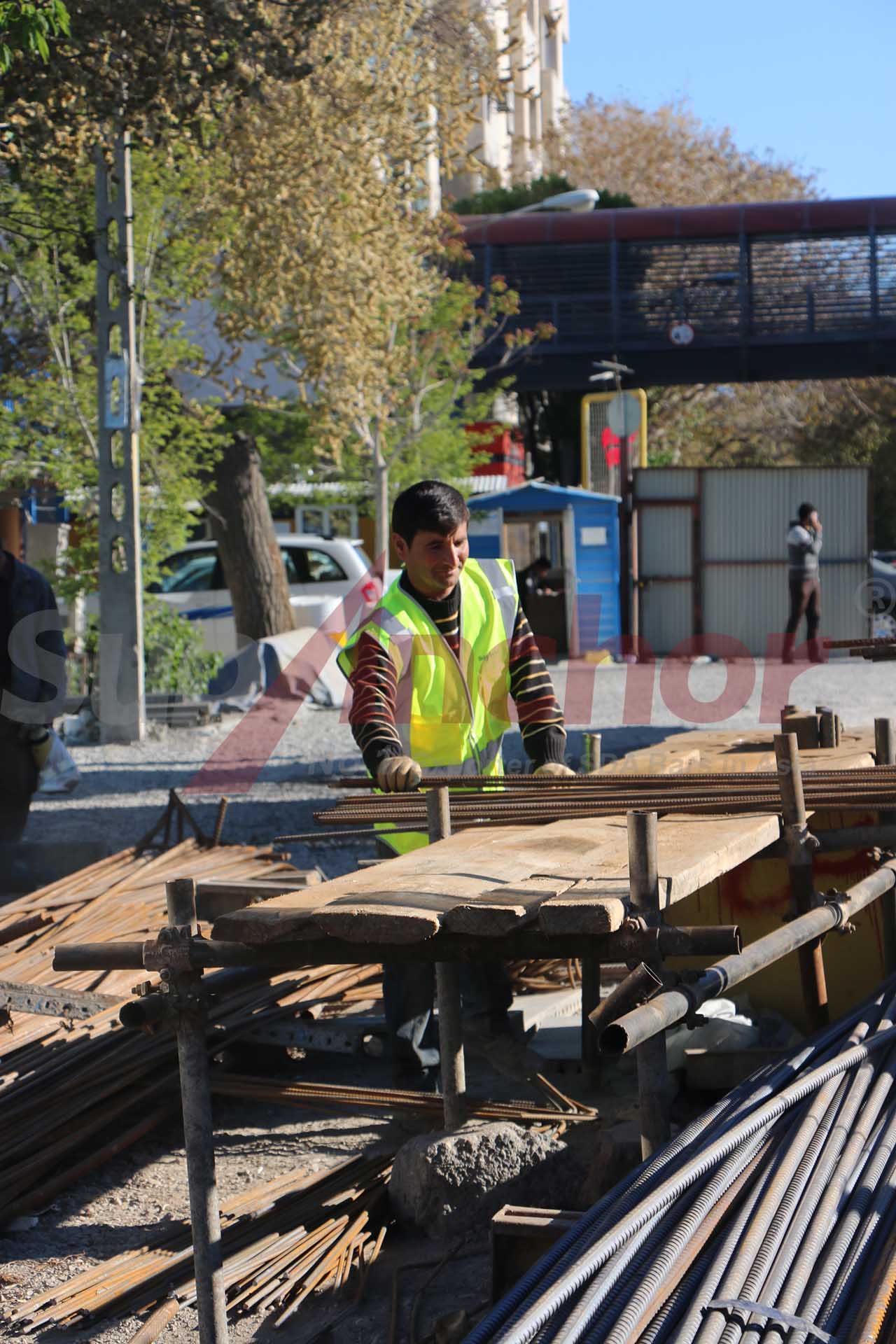
The project involved the construction of a series of reinforced concrete retaining walls along a seaside highway expansion, where exposure to saltwater and aggressive chemicals demanded a durable, maintenance-free formwork system. Traditionally, steel tie rods must be removed after concrete curing to prevent corrosion paths, a process that adds labor, time, and transport costs. Alternatively, if left in place, they risk rust expansion that cracks the concrete. The site also required non-conductive and non-magnetic materials to avoid interference with nearby sensitive electronic equipment. SupAnchor was brought in to provide a permanent, high-strength alternative that could withstand these harsh conditions while simplifying the construction workflow.
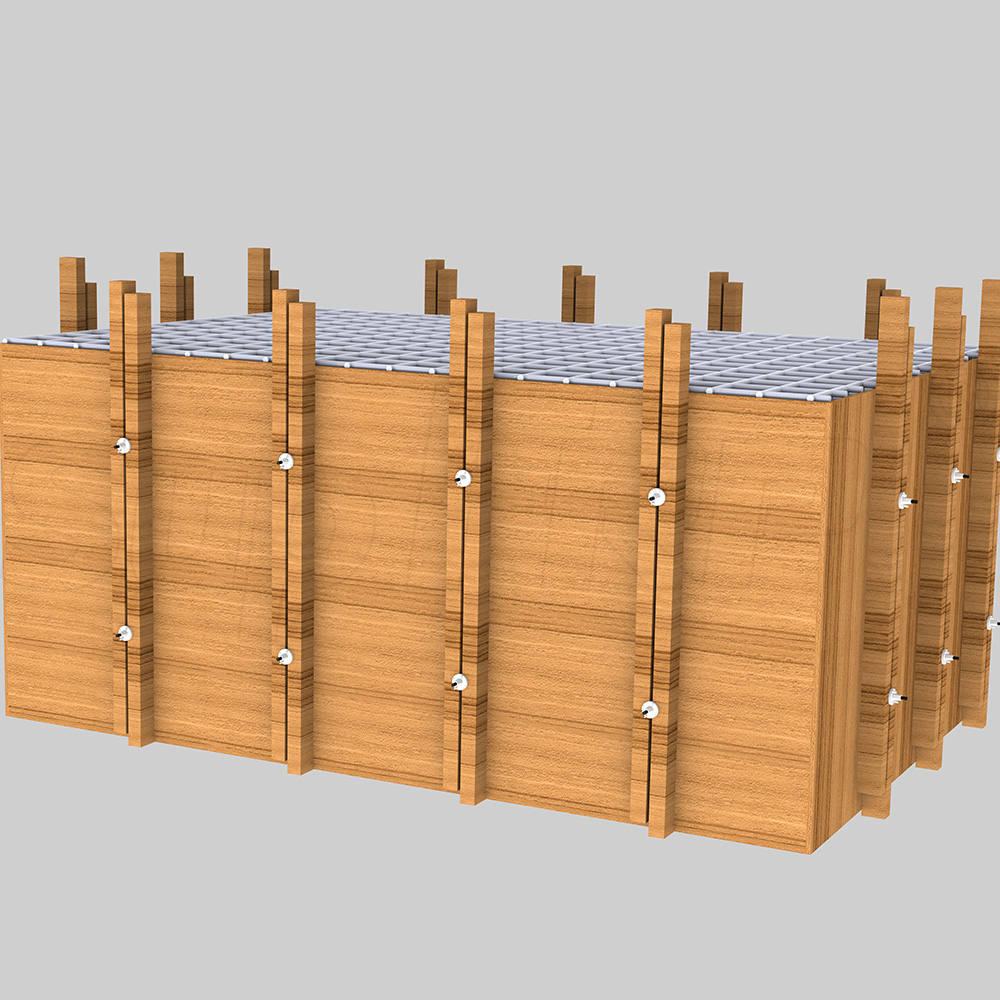
The SupFRP® GFRP Tie Rod is manufactured with a thread profile matching standard steel rods, allowing the use of existing accessories such as wing nuts and bracing, which minimizes the need for custom tooling. Two models are currently available, each offering a balance of tensile capacity and lightweight handling:
| Parameter | T15/130 | T20/250 |
|---|---|---|
| Outside Diameter (mm)* | 17 | 22 |
| Nominal Cross Sectional Area (sq. mm) | 130 | 250 |
| Guaranteed Tensile Load (kN) | 130 | 250 |
| Tensile E-Modulus (GPa) | 45 | 45 |
| Ultimate Strain | 2.0% | 2.0% |
| Weight (kg/m) | 0.37 | 0.71 |
| Length Options (m) | 1, 2–11 in 1 m increments | 1, 2–11 in 1 m increments |
*Including waved thread structure; **characteristic stress value in core.
These parameters directly address the engineering challenges. The high guaranteed tensile loads (130 kN and 250 kN) ensure reliable performance even in heavily loaded formwork. With a tensile modulus of 45 GPa, the rods offer controlled elongation under load, reducing the risk of sudden failure. The extremely light weight—0.37 kg/m for the T15/130—makes handling on site effortless, cutting installation time and physical strain on workers. Length customization up to 11 meters allows for use in large-scale pours without splicing.
Beyond mechanical properties, the material’s inherent corrosion resistance is a game-changer. Unlike steel, GFRP does not rust, eliminating the need for removal and the risk of concrete spalling. It is also completely non-conductive and non-magnetic, making it ideal for projects near power lines, railway signaling systems, or sensitive medical facilities. The waved thread structure enhances bond force with the concrete, contributing to the overall structural integrity.
The introduction of the SupFRP® GFRP Tie Rod aligns with the construction industry’s shift toward more sustainable and low-maintenance materials. In regions such as the Middle East, Southeast Asia, and coastal Europe, where salinity and humidity accelerate steel degradation, this solution can significantly extend the service life of concrete structures. Infrastructure mega-projects—like the expansion of underground metro systems, deep foundation works for high-rise buildings, and port facilities—stand to benefit from the rod’s durability and performance. Moreover, the product supports the growing trend of “smart” geotechnical reinforcement systems, where embedded non-metallic elements avoid electromagnetic interference, a critical factor in modern rail and energy projects. As a hollow bar anchor alternative, the tie rod opens new paths for ground engineering, especially in drill-and-grout bolt applications where permanence and corrosion resistance are paramount.
SupAnchor has built its reputation as a trusted soil nail system manufacturer and ground anchor bolt factory, with ISO-certified production lines and a portfolio of advanced geotechnical products. The development of the GFRP tie rod reinforces its role as a forward-thinking partner in the self drilling anchor system market, where the company already provides a wide range of hollow bar anchors and related components. “Our engineers worked closely with formwork specialists to create a tie rod that not only matches the mechanical properties of steel but exceeds them in long-term value,” said a company spokesperson. “By embracing composite materials, we are helping contractors reduce total project costs while raising safety and durability standards.” The new rod is supported by detailed technical documentation and a demonstration video that guides crews through proper installation techniques.
As global construction activity rebounds and infrastructure renewal programs accelerate, products like the GFRP tie rod will become essential tools. SupAnchor’s latest innovation not only solves a practical formwork problem but also embodies the company’s core values: Professional, Innovative, and Collaborative. With ongoing R&D and a growing network of distribution partners, the firm is well positioned to meet the evolving needs of the geotechnical reinforcement system industry.
SupAnchor's self drilling anchor system provides efficient ground stabilization in challenging geology, with high-strength hollow bar anchors and corrosion protection for civil engineering projects.
SupAnchor introduces a corrosion-resistant GFRP solid bolt with high tensile strength, lightweight design, and non-conductive properties for slope stabilization, tunnel support, and mining applications.
A European transport project uses SupAnchor's self drilling anchor system to stabilize loose overburden and fractured rock. Hollow bar anchors provide immediate load capacity, corrosion protection, and long-term geotechnical safety.
SupAnchor introduces SupFRP® GFRP reinforcement rebar with high tensile strength, corrosion resistance, and versatile shapes for demanding construction applications across Europe and North America.
SupAnchor introduces a stainless steel self-drilling hollow anchor combining 3-in-1 drilling, grouting, and reinforcing with superior corrosion resistance for marine, chemical, and permanent geotechnical applications.