
In the rugged terrain of Southern Europe, a major transportation infrastructure project has recently overcome significant geotechnical challenges thanks to the deployment of SupAnchor's advanced self-drilling anchor system. The project, a key segment of a trans-European highway expansion, involved steep slope stabilization and foundation support in highly fractured rock and loose soil conditions. Engineers faced the daunting task of ensuring long-term stability while minimizing environmental disruption and construction time. The solution came in the form of the self drilling anchor bolt, a versatile geotechnical reinforcement system that combines drilling, grouting, and anchoring in a single operation.
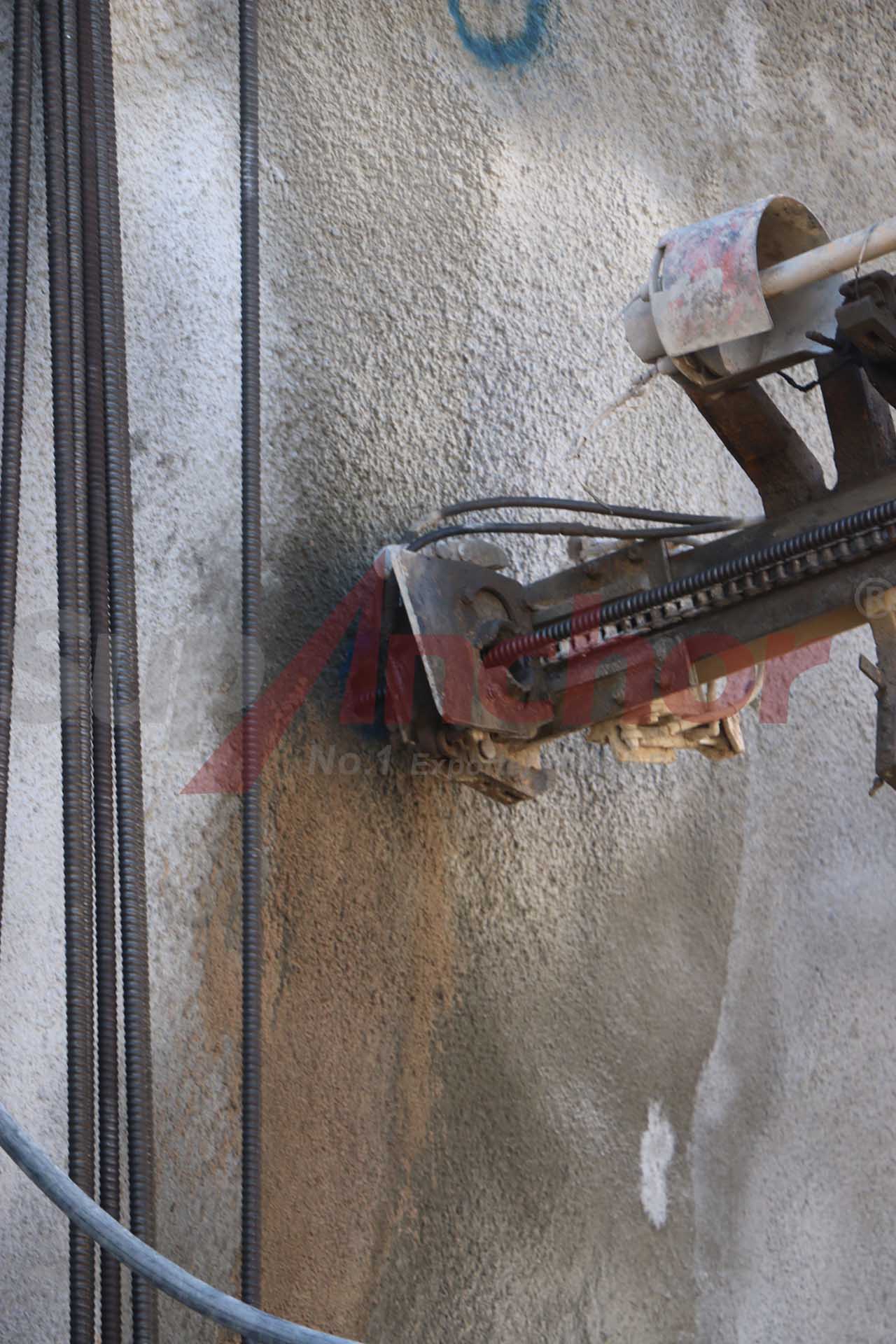
The construction site, as seen in the image, illustrates the scale of the operation. Workers and machinery operate on a steep slope where traditional drilling methods would have been risky and inefficient. The hollow bar anchor technology allowed for rapid installation without the need for casing, significantly reducing the risk of borehole collapse—a common issue in such unstable ground. This not only accelerated the project timeline but also enhanced safety for the on-site crew. The project's success underscores the growing reliance on integrated anchorage systems in complex terrains.
The 12-kilometer highway section traverses an area known for its complex geological profile, including weathered shale, fractured limestone, and pockets of unconsolidated fill. The design called for multiple retaining structures, soil nail walls, and deep foundations to safely support the road alignment. Initial surveys indicated that conventional drilling and anchoring methods would be plagued by drill string jamming, overbreak, and high consumable costs due to unstable boreholes. The project's geotechnical consultant recommended a soil nail system manufacturer with proven expertise in challenging conditions, leading to the selection of SupAnchor's self drilling anchor for retaining walls.
Alternative methods such as driven piles or conventional grouted anchors were evaluated but rejected due to their limitations. Driven piles would have caused excessive vibrations, risking disturbance to nearby sensitive slopes, while conventional anchors required multiple stages: drilling, casing, grouting, and then tendon insertion—a process both time-consuming and prone to failure in collapsing ground. The self-drilling approach emerged as the optimal solution, offering simplicity and reliability when working on steep inclines with limited access.
SupAnchor's technical team collaborated closely with the project engineers to customize a solution that would meet the demanding specifications. The key requirements included high tensile strength anchors capable of withstanding significant lateral earth pressures, corrosion protection for a 100-year design life, and the ability to install through overburden without pre-drilling. The self-drilling system proved to be the ideal choice, providing a one-step process that reduced equipment needs and logistical complexity. Its adaptability allowed adjustments on the fly, accommodating variable ground conditions encountered across the 12-km stretch.
The self-drilling anchor system deployed on this project featured several critical specifications tailored to the site conditions. The table below summarizes the main technical parameters of the anchors used:
| Parameter | Specification |
|---|---|
| Anchor Type | R32-360 Hollow Bar Anchor |
| Nominal Outer Diameter | 32 mm |
| Ultimate Tensile Load (UTL) | 360 kN |
| Yield Load | 280 kN |
| Bar Lengths | 3 m & 4 m segments with couplers |
| Corrosion Protection | Hot-dip galvanized (ISO 1461) with optional epoxy coating |
| Bond Length (in rock) | 3 – 6 m |
| Installation Method | Rotary percussive drilling with simultaneous grout injection |
These hollow bar anchors function as both drill rods and tendons. During installation, a drill bit attached to the tip cuts through the ground while grout is pumped through the hollow core, filling the annular space and bonding the bar to the surrounding soil or rock. This method eliminates the separate steps of drilling, casing, and tendon insertion, making it highly efficient. The 360 kN ultimate tensile load provided the necessary resistance for the retaining walls, while the galvanized coating ensured durability in the corrosive soil environments present at the site.
On-site, the anchors were installed in a grid pattern along the slope face. The image from the construction site captures the moment after installation, with the protruding anchor heads visible before facing with shotcrete or concrete panels. The drill-and-grout bolt technique allowed for immediate load transfer, enabling subsequent construction phases without delay. The flexibility of the system was evident when unexpected large boulders were encountered; the sacrificial drill bits could be changed quickly, and the drilling parameters adjusted on the fly.
The installation process began with precise positioning of the drill rig using GPS-guided controls. Workers then connected the hollow bar to the drifter and initiated rotary percussive drilling. As the bit advanced, a high-strength cementitious grout was injected through the bar at pressures up to 2 MPa, ensuring complete encapsulation even in fractured zones. Once the designed depth was reached, the grout was left to cure, forming a permanent, high-bond anchorage. Quality assurance was maintained through real-time monitoring of grout take and pressure, with pull-out tests performed on sacrificial anchors to verify design capacities.
Advantages of the Self-Drilling Anchor System
The successful application of this geotechnical reinforcement system underscores a broader trend in civil engineering: the demand for faster, safer, and more adaptable ground stabilization methods. With global infrastructure spending projected to reach trillions of dollars in the coming decades, projects are increasingly located in challenging environments—mountains, coastal zones, and seismically active regions. The self drilling anchor system is becoming the go-to solution for slope stabilization, tunnel pre-support, and deep excavations because it minimizes risks and maximizes productivity.
In the context of this European highway project, the use of a drill-and-grout bolt directly contributed to the project staying on schedule and within budget. Traditional methods would have required separate drilling rigs, casing installation, and tendon placement, tripling the equipment footprint and extending the critical path. By contrast, the integrated approach allowed a single machine to drill and anchor simultaneously, significantly cutting labor costs and fuel consumption. This aligns with the industry's push for sustainable construction practices, as reduced machinery usage lowers carbon emissions.
Moreover, the project highlights the growing importance of corrosion-protected anchor systems for infrastructure with long design lives. The galvanized self drilling anchor bolt ensures structural integrity for decades, reducing maintenance needs and life-cycle costs. As governments worldwide tighten regulations on infrastructure resilience, such advanced anchoring technologies will become mandatory in public works tenders.
The micropile hollow bar anchor applications also play a critical role in foundation retrofitting and underpinning, where space constraints and access issues demand compact, high-capacity elements. In this highway project, micropile groups were used to support bridge abutments adjacent to existing traffic lanes, demonstrating the versatility of the ground anchor bolt factory's product line. Similarly, in underground mining and tunneling, the rock bolt for underground mining versions of these anchors provide immediate support for excavation surfaces, enhancing safety and operational efficiency.
In addition to transportation infrastructure, self drilling bolt for civil engineering applications are increasingly used in urban construction for deep excavations near existing structures. The ground stabilization anchor system minimizes ground movements and settlement, protecting adjacent buildings and utilities. As cities become denser, such technologies are indispensable for sustainable urban development. The self drilling anchor system's ability to install in limited-headroom conditions, such as under bridges or within tunnels, further expands its utility across a range of civil works.
Looking ahead, industry forecasts indicate a steady rise in the adoption of self-drilling anchors, particularly in regions prone to natural disasters where rapid slope reinforcement is critical. The technology's proven performance in this European project will likely serve as a benchmark for future infrastructure developments, encouraging engineers to specify it early in the design phase to optimize constructability and life-cycle costs.
SupAnchor has established itself as a leading manufacturer and supplier of rock bolt for underground mining, civil engineering, and infrastructure projects worldwide. With ISO 9001, ISO 14001, and OHSAS 18001 certifications, the company adheres to the highest standards of quality, environmental management, and occupational safety. Its factory direct supply model ensures that clients receive cost-effective solutions without compromising on performance. The company's SDA bolt factory direct supply chain spans multiple continents, reducing lead times and logistics costs for major contractors.
The self drilling anchor for retaining walls used in this project is just one example of SupAnchor's extensive product range. The company's R&D department continuously innovates to improve anchor efficiency, such as developing new thread geometries that enhance grout bond strength and designing ductile systems for seismic zones. Their SDA bolt factory direct supply enables rapid delivery to project sites around the globe, supported by a team of technical engineers who provide on-site training and consultation. This holistic approach—from product design to field support—exemplifies SupAnchor's commitment to the anchor bolt system for geotechnical engineering market.
SupAnchor's commitment to collaboration was evident in this project. From the initial design phase, their engineers worked with the contractor to optimize anchor diameters and lengths, reducing material waste. During installation, real-time monitoring of grout pressure and volume ensured consistent anchor quality. This collaborative spirit, combined with a robust ground stabilization anchor system, reinforced the company's reputation as a reliable partner for complex geotechnical works. Clients consistently note the technical competence and responsiveness of the SupAnchor team, which differentiates the brand in a competitive landscape.
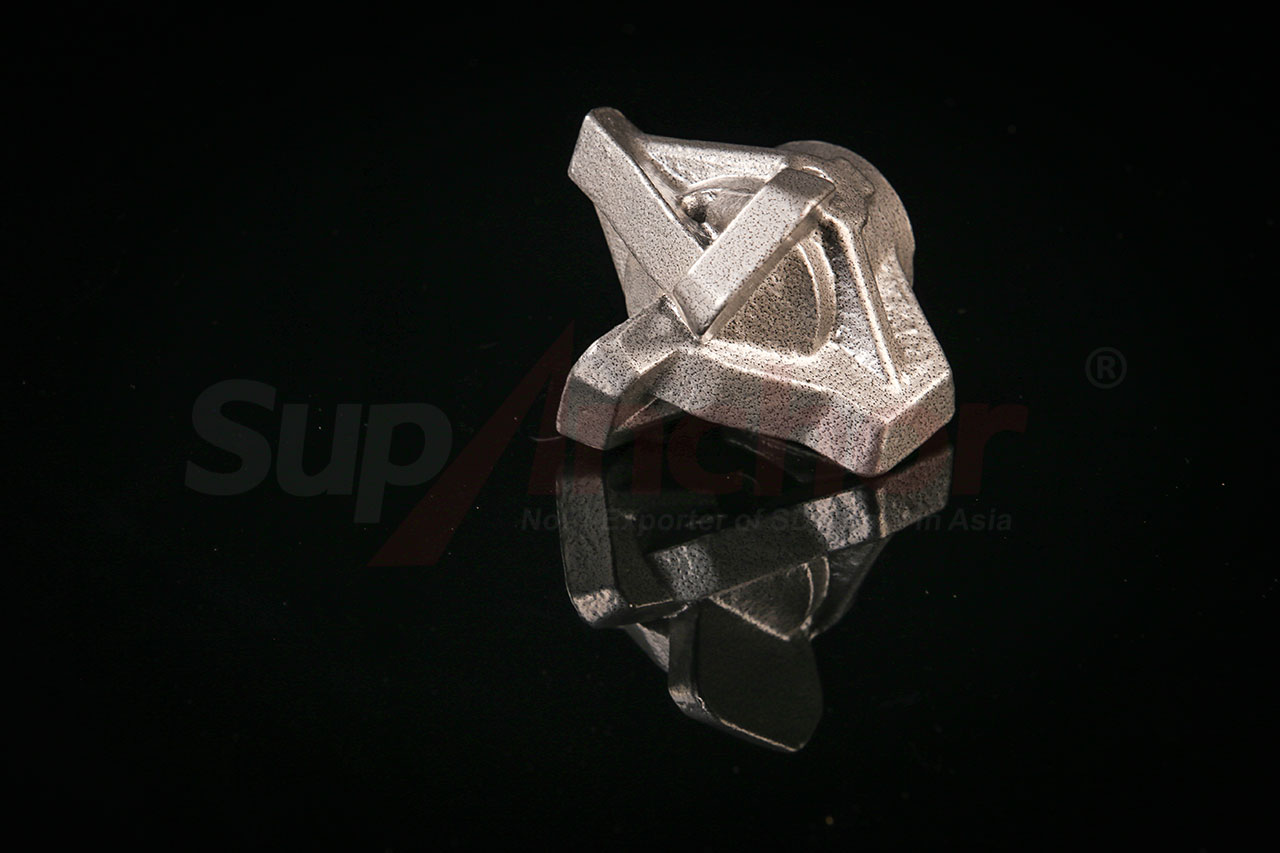
The image of the self drilling anchor bolt showcases the product's rugged build: a continuous thread along its length facilitates coupling and provides excellent mechanical interlock with grout. The sacrificial drill bit attached to the tip is visible, designed to penetrate hard rock and then be left in place, becoming part of the anchorage. This design simplicity is key to the system's reliability; there are no moving parts or complex assemblies that could fail under harsh construction conditions. The hot-dip galvanized finish evident in the photo speaks to the factory's emphasis on durable corrosion protection.
Looking ahead, SupAnchor is expanding its footprint in the Americas and Africa, where mining and infrastructure development are booming. The demand for ground stabilization anchor system products is expected to surge as projects confront deeper excavations and more demanding environmental regulations. As a forward-thinking anchor bolt system for geotechnical engineering, SupAnchor is well-positioned to meet these needs with its innovative self drilling bolt for civil engineering applications. The company's upcoming launch of a next-generation hollow bar with enhanced ductility will address the growing requirements of seismic-prone regions, further cementing its leadership.
The successful deployment of the self drilling anchor system in this highway project serves as a testament to the maturity and reliability of the technology. It demonstrates that when technical expertise meets robust manufacturing, even the most challenging ground conditions can be mastered safely and efficiently. For contractors and engineering firms looking for a dependable geotechnical reinforcement system, SupAnchor offers a proven track record backed by global experience. The project's use of over 15,000 linear meters of hollow bars without a single anchor failure highlights the product's consistency.
As the construction industry continues to evolve, the collaboration between project stakeholders and specialist manufacturers like SupAnchor will be pivotal. The lessons learned from this project will inform future designs, pushing the boundaries of what's possible in ground engineering. With its unwavering focus on professionalism, innovation, and collaboration, SupAnchor is not just supplying anchors—it is building the foundations for a more connected and resilient world. The company's role in this European highway expansion exemplifies its core values, turning geotechnical challenges into durable solutions that stand the test of time.
A European highway project overcame fractured rock and groundwater challenges using SupAnchor's self drilling anchor system. The hollow bar anchors provided rapid installation and high load capacity, showcasing innovation in geotechnical reinforcement.
SupAnchor introduces the SupFRP® GFRP Friction Bolt, a world-first corrosion-resistant, lightweight, and non-conductive ground support solution for mining and tunneling.
A major mountain highway expansion in the European Alps utilized SupAnchor's self drilling anchor system to overcome fractured rock and loose soil, ensuring long-term slope stability and construction safety.
SupAnchor's Grade 75 self-drilling hollow anchor bars deliver high bond strength, ASTM A615 compliance, and full compatibility with R/T thread systems for demanding geotechnical projects.
A self drilling anchor system from SupAnchor has been deployed in a challenging mountain infrastructure project, overcoming fractured rock and unstable slopes while reducing installation time and improving long-term ground stabilization.