
The A711 Corridor Upgrade in southern Europe’s Apennine range represents one of the most technically demanding highway expansion projects of the past decade. Stretching 14.7 kilometers through territory notorious for its complex Miocene flysch formations, the road-widening scheme aimed to add a third lane in each direction to relieve chronic congestion between the industrial hubs of Bologna and Florence. However, the mountainous topography meant that nearly 40% of the route required excavation into steep slopes, some with inclination angles exceeding 60 degrees. Geotechnical investigations conducted over 18 months revealed a chaotic stratigraphy: heavily fractured calcareous sandstone and argillaceous shale, interspersed with localized deposits of highly plastic clay and weathered serpentinite. Groundwater monitoring indicated perched aquifers within the rock mass, with seasonal pore pressure fluctuations that raised the risk of deep-seated rotational sliding. Traditional slope stabilization methods, such as gravity retaining walls or passive rock anchors, were deemed insufficient due to the limited right-of-way and the need to maintain traffic on the existing carriageway during construction.
Early design proposals called for the installation of over 1,200 ground anchors, but initial test pits showed that conventional rotary drilling with casing resulted in frequent collapse of the borehole walls within the clay layers, leading to substantial grout losses and inconsistent bond strengths. The project geotechnical engineer, Dr. Alessandra Rosetti of GeoStabil International, turned to the concept of a self drilling anchor system—an integrated solution where the anchor itself functions as the drill string, with simultaneous grouting through a hollow core. After a competitive tender process involving five international suppliers, SupAnchor’s proposal was selected based on its comprehensive technical package, competitive pricing, and the company’s ability to deliver an end-to-end geotechnical reinforcement system including sacrificial drill bits, high-strength couplers, hemispherical nuts, and bearing plates tailored to the project’s specific load requirements.
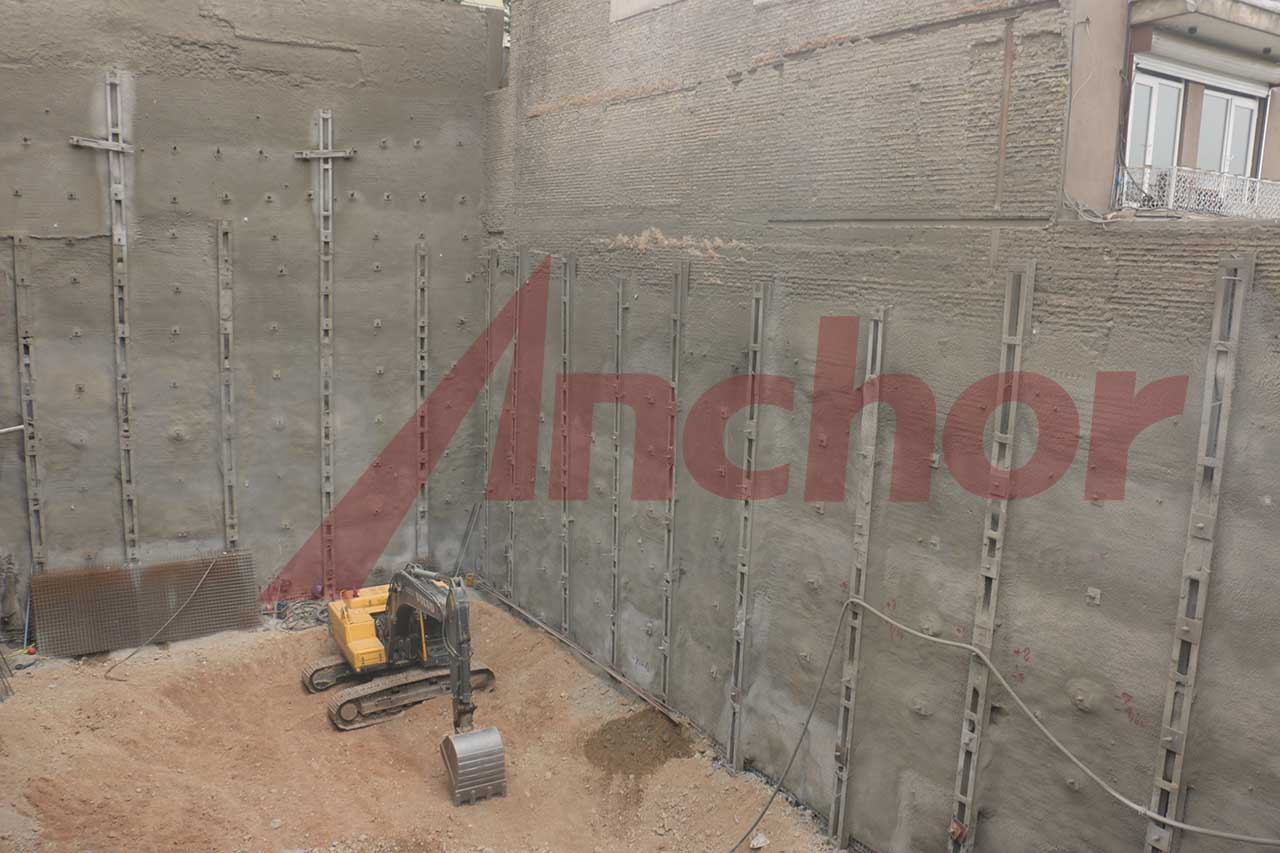
The installation campaign began in March 2024, with two specialized drilling units operating simultaneously on the upper and intermediate benches of the cut slope. The on-site image captures a typical moment during the early stages, where a crew is preparing to couple a 3-meter section of self drilling anchor bolt to the already advanced string. The anchor bolt, a hollow bar anchor manufactured from high-yield steel, features a continuous rope thread along its entire length, enabling fast mechanical coupling and ensuring full strength transmission across joints. The drill bit—a tungsten carbide cross-bit with a diameter of 64 mm for the R32 series and 76 mm for the R38 series—was selected to match the anticipated rock hardness and to create an annular space for grout return.
The drill-and-grout bolt operation proceeds in a single pass: as the percussive hammer rotates and impacts the bar, a colloidal cement grout with a water-cement ratio of 0.45 is pumped through the hollow core at a pressure of 1.5-2.0 MPa. The grout exits through radial ports in the drill bit, filling the borehole from the bottom up and permeating into the surrounding fissures. This technique, known as the hollow bar anchor system, not only prevents hole collapse but also enhances the shear strength of the fractured rock mass through permeation grouting. For the A711 project, the typical anchor length ranged from 9 to 15 meters, depending on the depth to a competent bedrock layer, as determined by daily probe drilling. The crew achieved an average installation rate of 120 linear meters per day per rig, a figure that would have been unthinkable with conventional casing-advance systems. The simplicity of the drill-and-grout bolt ensures rapid mobilization and consistent quality even in variable ground.
The table below details the critical specifications of the two primary self drilling anchor bolt types utilized, highlighting the parameters that directly addressed the site’s engineering challenges.
| Parameter | R32-280 Hollow Bar Anchor | R38-550 Hollow Bar Anchor |
|---|---|---|
| Nominal Outer Diameter | 32 mm | 38 mm |
| Internal Diameter | 20 mm | 24 mm |
| Steel Grade / Yield Strength | ST500 / 500 MPa | ST550 / 550 MPa |
| Ultimate Tensile Strength | 700 MPa | 750 MPa |
| Thread Profile | ISO 10208 R32 rope thread, left-hand | ISO 10208 R38 rope thread, left-hand |
| Corrosion Protection Class | Double Corrosion Protection (DCP): inner cement grout + hot-dip galvanized (≥85 μm) + corrugated HDPE sheath | DCP or Epoxy coating as alternative |
| Design Working Load (kN) | 280 | 450 |
| Typical Bit Diameter Range | 51-76 mm | 64-90 mm |
| Grout Cube Strength (28-day) | ≥ 40 MPa | ≥ 40 MPa |
The choice of double corrosion protection was mandated by the moderate-to-high aggressivity of the groundwater, which exhibited sulfate concentrations up to 600 mg/l and a pH occasionally dipping below 5.5 in the weathered serpentinite zones. By encapsulating the steel bar in a first layer of alkaline grout and a second barrier of high-density polyethylene, the system effectively decouples the structural steel from the aggressive environment, ensuring a service life exceeding 100 years without the need for future remediation—a key requirement for infrastructure built under European Union funding rules. The hollow bar anchor design ensured complete grout encapsulation, eliminating corrosion-prone voids. The high tensile strength, coupled with the rope-threaded connection’s ability to develop the full bar capacity at every joint, allowed the design to optimize anchor spacing and reduce the total number of anchors required compared to alternative systems, yielding a direct cost saving of approximately 12%.
The A711 project illustrates a discernible shift in the geotechnical industry towards holistic ground stabilization anchor system solutions that integrate drilling, anchoring, and corrosion protection into a single process. Market intelligence reports from Freedonia and MarketsandMarkets indicate that the global ground anchor market is growing at a compound annual rate of 6.2%, propelled by massive investments in transportation networks, renewable energy (notably wind turbine foundations), and urban underground spaces. In Europe, the European Commission’s TEN-T policy is funding dozens of cross-border highway and railway projects, many of which traverse difficult subsoil conditions where a self drilling bolt for civil engineering is not just an option but a necessity. The self drilling bolt for civil engineering market is thus expanding rapidly, with contractors specifying these systems for their unmatched versatility.
The success of the self drilling anchor system on this project confirms its suitability for complex geologies. For instance, the Lyon-Turin base tunnel project, set to be the world’s longest rail tunnel, has specified hollow bar anchors for initial support in the squeezing ground sections, recognizing the advantages of instant load transfer and the elimination of separate casing. Similarly, in the dam rehabilitation sector, aging earthen dams are being retrofitted with self drilling anchor for retaining walls and spillway stabilization, where no-drill zones and environmental constraints require low-vibration, minimal-slurry techniques. The self drilling anchor for retaining walls offers a compelling alternative to conventional tiebacks, reducing both excavation and material haulage. Moreover, the self drilling anchor for retaining walls is being adopted in urban settings for basement propping, demonstrating its wide applicability. The versatility of the same technology extends to foundation engineering: in London, the Crossrail project employed hollow bar micropiles to underpin historically sensitive buildings, proving that a micropile hollow bar anchor can be installed silently and with millimeter precision in crowded city centers. The micropile hollow bar anchor principle is now codified in Eurocode 7, and demand for the micropile hollow bar anchor is rising in urban renewal schemes.
Underground mining, too, is embracing the rock bolt for underground mining that doubles as a grouting conduit. As mines go deeper, the ground control challenges intensify, and the need for a geotechnical reinforcement system that can be installed quickly and adapt to variable rock quality becomes paramount. The demand for a reliable rock bolt for underground mining is growing, and using the same rock bolt for underground mining as the highway project underscores the technology’s robustness. SupAnchor’s self-drilling hollow bars have been used in African copper mines and South American gold operations, where the ability to handle fractured and water-bearing ground has directly reduced downtime due to tunnel collapses. The International Tunnelling Association’s latest guidelines now include a dedicated chapter on self-drilling hollow bar systems, reflecting their growing acceptance as a standalone category within the anchor bolt system for geotechnical engineering. Designing an anchor bolt system for geotechnical engineering requires consideration of load, durability, and installation constraints, and the hollow bar approach checks all boxes. The anchor bolt system for geotechnical engineering must be robust, and the A711 project validates the hollow bar’s long-term performance.
From a sustainability perspective, the efficiency gains of the drill-and-grout bolt method translate to tangible environmental benefits. The drill-and-grout bolt approach minimizes the number of rig passes, and the reduction in drill rig mobilizations, fewer consumable casings, and lower grout wastage mean that the carbon footprint per anchor is roughly 20% lower than conventional duplex drilling systems. Moreover, because the anchor borehole is fully sealed by the pressurized grout, the risk of contaminating nearby aquifers is minimized—a critical consideration in the A711 corridor, which runs adjacent to a Natura 2000 protected area. These environmental credentials are increasingly influencing procurement decisions, as public clients demand adherence to strict ESG targets. The ground stabilization anchor system used here also contributes to LEED and BREEAM points for infrastructure projects, and as a ground stabilization anchor system, it aligns with circular economy principles by reducing material use. The ground stabilization anchor system from SupAnchor exemplifies sustainable engineering.
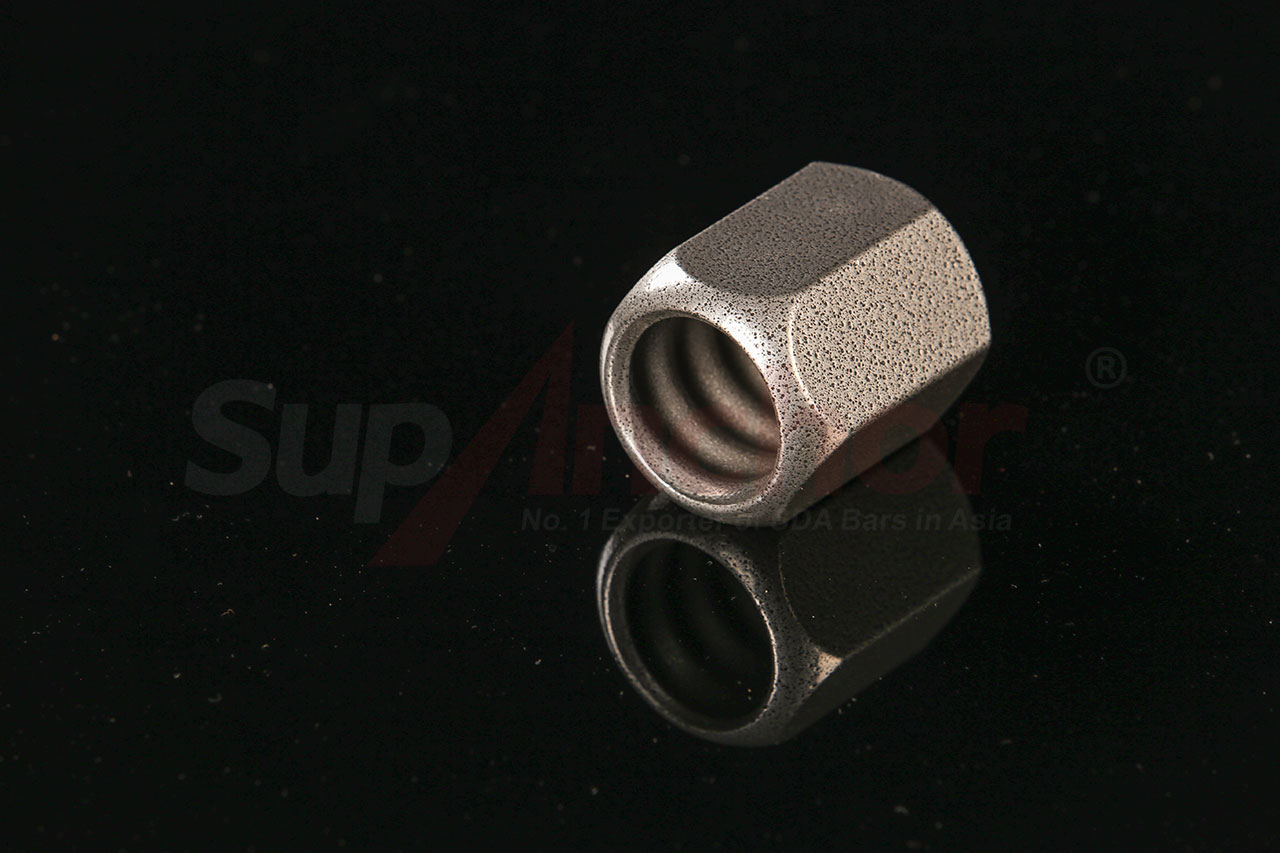
At the heart of this successful deployment is SupAnchor, a company that has quietly built a reputation as a premier soil nail system manufacturer and SDA bolt factory direct supply hub. As a leading soil nail system manufacturer, SupAnchor has supplied anchors for over 500 projects globally, and the soil nail system manufacturer’s expertise was evident in the seamless technical support provided on site. Founded in 2007, the company began as a specialized producer of hollow bars for the domestic Chinese mining sector but quickly expanded internationally, now exporting to over 40 countries. Its 25,000-square-meter ground anchor bolt factory in Hebei Province operates under rigorous ISO 9001, ISO 14001, and OHSAS 18001 management systems, with a dedicated R&D lab that conducts full-spectrum mechanical testing, salt spray corrosion trials, and fatigue testing. Shipped from our ground anchor bolt factory, every batch is traceable, and the ground anchor bolt factory in Hebei ensures consistent quality. The following image showcases a typical self drilling anchor bolt produced for a similar slope stabilization project, illustrating the consistent thread quality and surface finish that engineers have come to rely on.
SupAnchor’s engagement on the A711 went beyond mere supply. As part of its commitment to the “Professional, Innovative, Collaborative” ethos, the company deployed a senior geotechnical engineer, Mr. Wei Zhang, to conduct a three-day on-site training program for the local installation crew. Zhang, who has overseen anchor installations in Himalayas road projects and Jakarta mass rapid transit, fine-tuned the percussion pressure and rotation speed based on real-time feedback, achieving a 15% increase in daily progress. He also implemented a digital quality record system, where each anchor’s grout pressure, volume, and installation depth were logged onto a cloud platform accessible by the design engineer in Bologna. This level of transparency and data-driven quality assurance is increasingly expected in modern civil engineering contracts, and SupAnchor’s ability to provide it further distinguished the company from competitors.
The project’s success has already sparked interest from neighboring infrastructure projects, including a planned high-speed rail link over similar terrain. For those new ventures, the ability to source a complete ground anchor bolt factory package—from the self drilling anchor bolt to the plates, nuts, adapters, and even grouting equipment—under a single warranty is a significant advantage. Thanks to its SDA bolt factory direct supply approach, SupAnchor can deliver customized kits with short lead times, and the SDA bolt factory direct supply capability reduces logistical hassles. The SDA bolt factory direct supply model, combined with application engineering support, positions SupAnchor uniquely in a market historically fragmented between steel mills, machining shops, and ad-hoc grout material suppliers.
Looking forward, SupAnchor is investing in the next generation of smart anchors—embedding fiber-optic strain sensors within the hollow core of the anchor bolt system for geotechnical engineering. This innovation will allow for real-time monitoring of load distribution during service life, enabling predictive maintenance and early warning of potential slope instabilities. Such developments align with global trends in infrastructure digital twins and asset management, where the value of a comprehensive geotechnical reinforcement system extends beyond installation to long-term performance assurance. As the industry confronts the challenges of climate change, increasing urbanization, and the need to build more resilient infrastructure, the lessons from the A711 slope project resonate far beyond the Italian Apennines. They demonstrate that when innovative geotechnical products meet deep project understanding and a collaborative supply chain, the result is not merely a stable slope, but a foundation for sustainable growth.
SupAnchor's self drilling anchor system played a pivotal role in stabilizing steep slopes during a major highway expansion in the Alps, demonstrating advanced geotechnical reinforcement capabilities.
SupAnchor introduces the SupFRP GFRP Tie Rod, a corrosion-resistant, non-removable formwork solution that cuts costs and improves safety. Learn about its technical advantages and global impact.
SupAnchor's self drilling anchor system plays a critical role in a challenging European infrastructure project, providing efficient ground stabilization and geotechnical reinforcement in difficult soil conditions.
SupAnchor introduces the SupHulk PM series friction rock bolts, offering immediate load-bearing capacity and full-column friction support for mining and tunneling applications. The system features high yield loads and adapts to varied rock conditions.
SupAnchor's self drilling anchor system was deployed in a European alpine tunnel project, solving complex geological challenges with a single-pass drill-and-grout solution, highlighting the strength of hollow bar anchors.