In a recent highway tunnel rehabilitation project in the Swiss Alps, engineers faced a dual challenge: stabilizing loose rock formations and protecting the concrete lining from aggressive groundwater. SupAnchor, a global leader in geotechnical reinforcement systems, provided an integrated solution combining its self drilling anchor system for immediate ground support and its newly launched SupFRP® GFRP Mesh for long-term surface protection. The project, spanning over 2 kilometers of tunnel, demanded materials that could withstand harsh chemical exposure while meeting strict electrical safety standards. The GFRP mesh, with its non-conductive and corrosion-resistant properties, proved to be the ideal alternative to traditional steel mesh.
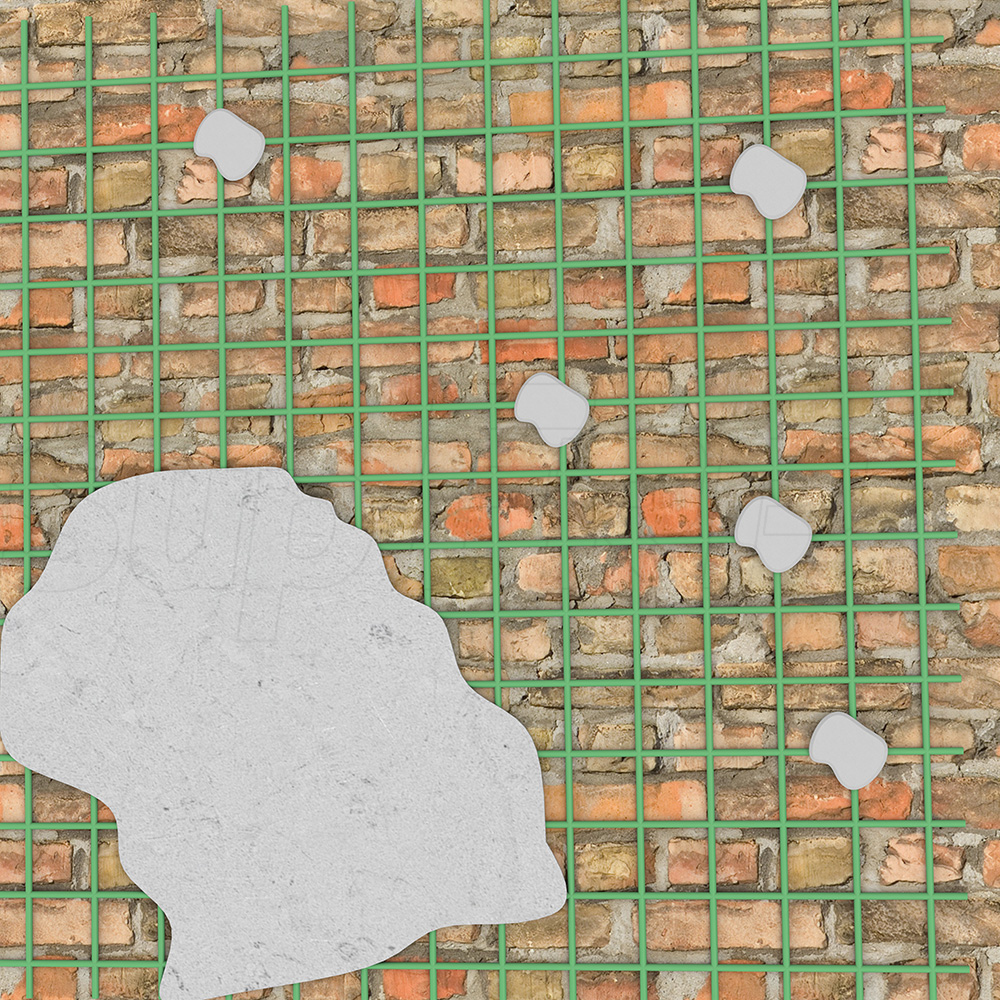
The SupFRP® GFRP Mesh is a high-performance grid product developed by SupAnchor® based on standard grid applications. It is assembled by longitudinal and transverse GFRP rods, with the rods’ crossing fixed by impregnated polymer yarn—ensuring strong and reliable joints. Unlike welded metal mesh, this innovative design offers exceptional flexibility and ease of installation, making it a preferred choice for contractors across Europe and North America.
The GFRP mesh is available in three standard rod diameters—M4, M6, and M8—each offering specific jointing loads and grid sizes to suit various project requirements. The following table summarizes the key technical data:
| Model | Rod Diameter (mm) | Jointing Load (kN) | Grid Size (mm) |
|---|---|---|---|
| M4 | 4 | 2 | 100×100, 150×150, *1 |
| M6 | 6 | 3 | 100×100, 150×150, *1 |
| M8 | 8 | 5 | 100×100, 150×150, *1 |
*1 Other grid sizes are available upon request.
The GFRP mesh’s primary advantages include high corrosion resistance, high strength, non-conductivity, non-magnetic properties, and lightweight construction. These features make it particularly suitable for projects in marine environments, chemical plants, and areas with high electromagnetic interference. For instance, its non-conductive nature eliminates the risk of stray currents, a common problem with steel reinforcement in railway and subway systems. The lightweight design reduces transportation costs and labor intensity, while the strong polymer yarn joints ensure structural integrity under dynamic loads.
Compared to traditional welded steel mesh, the SupFRP® GFRP Mesh offers several distinct benefits:
The jointing method using impregnated polymer yarn creates a monolithic grid structure. This bonding technique distributes loads evenly across the mesh, preventing stress concentrations that often lead to failure in welded meshes. The yarn’s flexibility also allows the mesh to conform to irregular surfaces without cracking, a critical advantage in tunnel linings and rock face stabilization.
SupAnchor’s GFRP mesh is engineered for a wide range of applications, including roof and wall protection, repair of concrete structures, flat slab construction, and highway overlays. In highway overlay projects, the mesh reinforces asphalt or concrete layers, preventing reflective cracking and extending pavement life. For concrete repair, it serves as an external reinforcement that is easy to shape around complex geometries. In mining and tunneling, where non-conductive materials are critical, the mesh provides a safe alternative to metal mesh for shotcrete reinforcement.
Moreover, the mesh integrates seamlessly with SupAnchor’s self drilling anchor bolts and hollow bar anchors. In a typical tunnel rehabilitation, workers install self drilling anchors to stabilize the rock mass, then apply the GFRP mesh as a surface reinforcement before shotcreting. This combination ensures both deep and shallow support, enhancing overall geotechnical safety. Contractors have praised the mesh’s flexibility, which allows it to conform to uneven rock surfaces without the need for custom bending.
Specific application examples include:
The global geotechnical reinforcement market is projected to grow significantly, driven by aging infrastructure, urbanization, and the need for sustainable construction materials. Traditional steel mesh, while strong, suffers from corrosion in aggressive environments, leading to premature deterioration and high maintenance costs. The SupFRP® GFRP Mesh addresses these challenges head-on, offering a durable, maintenance-free solution that reduces lifecycle costs. Its non-magnetic properties also make it ideal for sensitive installations such as MRI rooms and research laboratories.
A lifecycle cost analysis comparing steel mesh and GFRP mesh in a marine environment reveals that, despite a higher initial material cost, GFRP mesh results in lower total cost of ownership due to zero maintenance and extended service intervals. This economic advantage, combined with growing environmental regulations, is accelerating the adoption of composite reinforcement materials in Europe and North America.
SupAnchor, as a leading soil nail system manufacturer and ground anchor bolt factory, has long been at the forefront of geotechnical innovation. The company’s drill-and-grout bolt technology has been used in major infrastructure projects worldwide, from high-speed rail tunnels to hydropower dams. The introduction of the GFRP mesh expands SupAnchor’s portfolio, providing customers with a complete geotechnical reinforcement system that includes both active anchoring and passive surface reinforcement. This integrated approach simplifies procurement and ensures compatibility between components.
SupAnchor’s commitment to R&D is evident in its ISO 9001-certified manufacturing facilities and its continuous investment in new materials. The company’s products have been tested and approved by independent laboratories, meeting European and American standards such as EN and ASTM. With a presence in over 40 countries, SupAnchor supports contractors with technical expertise, rapid delivery, and customized solutions. The GFRP mesh is the latest addition to a product line that already includes self drilling anchor systems, hollow bar anchors, and various grouting accessories.
“We developed the GFRP mesh to answer the growing demand for corrosion-free reinforcement in aggressive environments,” said a SupAnchor spokesperson. “Its combination of strength, lightweight design, and non-conductivity makes it a game-changer for infrastructure projects. Whether it’s a coastal bridge, a chemical plant, or a railway tunnel, our mesh delivers long-term performance with minimal maintenance.”
SupAnchor’s global project portfolio includes the Gotthard Base Tunnel in Switzerland, the Crossrail project in London, and multiple metro systems in the Middle East. In each case, the company’s geotechnical reinforcement systems—from self drilling anchor bolts to GFRP mesh—have contributed to safer and more efficient construction. The GFRP mesh’s performance in these projects has validated its suitability for high-demand applications, further cementing SupAnchor’s reputation as an innovative and reliable partner.
As infrastructure owners increasingly prioritize sustainability and total cost of ownership, materials like SupAnchor’s GFRP mesh will become essential tools in the engineer’s arsenal. By combining proven geotechnical anchoring technologies with advanced composite materials, SupAnchor continues to lead the industry toward safer, more durable, and more efficient construction practices.
SupAnchor's advanced self drilling anchor bolts provide reliable ground support for a major tunnel project in complex geology, highlighting geotechnical innovation and safety.
SupAnchor introduces its SupFRP® GFRP Mesh, offering superior corrosion resistance, non-conductivity, and lightweight flexibility for concrete repair, highway overlays, and geotechnical projects, complementing its self drilling anchor systems.
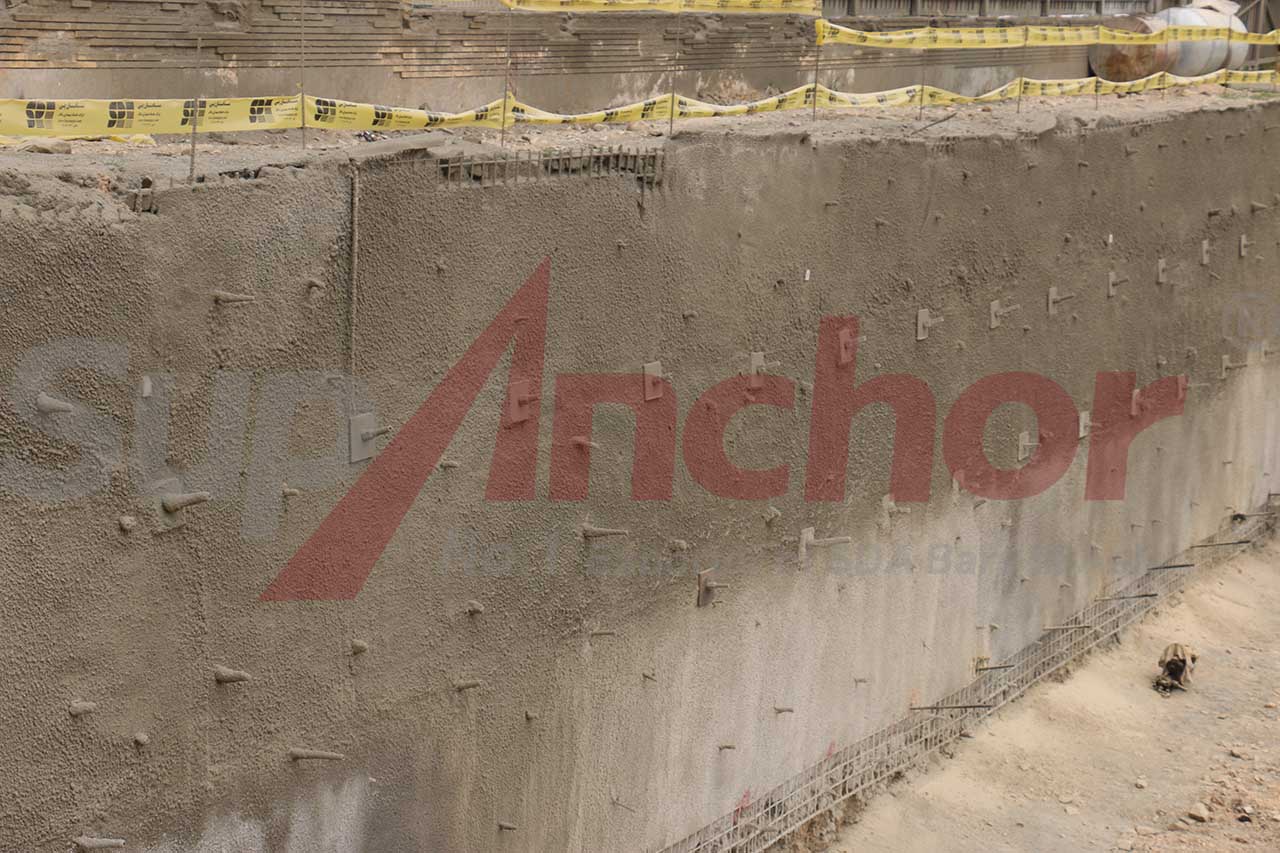
SupAnchor's self drilling anchor system deployed in a complex geotechnical project, showcasing advanced hollow bar anchor technology for secure ground stabilization and retaining wall support.
SUPANCHOR self-drilling anchor bars and accessories are being supplied for the Wiślane Quay reconstruction project at the Port of Gdańsk, Poland.
European slope project uses SupAnchor self drilling anchor system to stabilize fractured ground with simultaneous drilling and grouting.